Und dann auf "Zum Home-Bildschirm [+]".

Stöbern
genialokal zum Startbildschirm hinzufügen
Installieren Sie die genialokal App auf Ihrem Startbildschirm für einen schnellen Zugriff und eine komfortable Nutzung.
Installieren Sie die genialokal App auf Ihrem Startbildschirm für einen schnellen Zugriff und eine komfortable Nutzung.
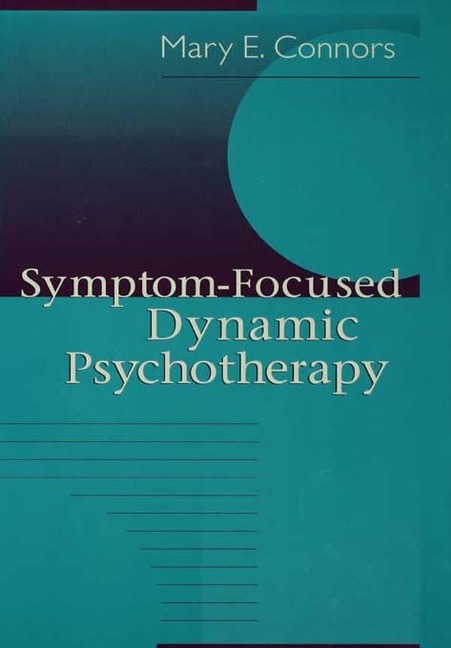
Traditionally, psychoanalytically oriented clinicians have eschewed a direct focus on symptoms, viewing it as superficial turning away from underlying psychopathology. But this assumption is an artifact of a dated classical approach; it should be reexamined in the light of contemporary relational thinking. So argues Mary Connors in Symptom-Focused Dynamic Psychotherapy, an integrative project that describes cognitive-behavioral techniques that have been demonstrated to be empirically effective and may be productively assimilated into dynamic psychotherapy. What is the warrant for symptom-focused interventions in psychodynamic treatment? Connors argues that the deleterious impact of symptoms on the patient's physical and emotional well being often impedes psychodynamic engagement. Symptoms associated with addictive disorders, eating disorders, OCD, and posttraumatic stress receive special attention. With patients suffering from these and other symptoms, Connors finds, specific cognitive-behavior techniques may relieve symptomatic distress and facilitate a psychodynamic treatment process, with its attentiveness to the therapeutic relationship and the analysis of transference-countertransference. Connors' model of integrative psychotherapy, which makes cognitive-behavioral techniques responsive to a comprehensive understanding of symptom etiology, offers a balanced perspective that attends to the relational embeddedness of symptoms without skirting the therapeutic obligation to alleviate symptomatic distress. In fact, Connors shows, active techniques of symptom management are frequently facilitative of treatment goals formulated in terms of relational psychoanalysis, self psychology, intersubjectivity theory, and attachment research. A discerning effort to enrich psychodynamic treatment without subverting its conceptual ground, Symptom-Focused Dynamic Psychotherapy is a bracing antidote to the timeworn mindset that makes a virtue of symptomatic suffering.
A faculty memory of the Illinois School of Professional Psychology, Mary E. Connors, Ph.D., is Co-Director of Integrative Health Partners, a Chicago practice group dedicated to integrative treatment.
Preface. Rationale for a Symptom-Focused Dynamic Treatment. Active Techniques in a Context of Integrative Possibility. The Decision to Use Active Techniques. Cognitive Interventions. Behavioral Techniques. Suggestions for Intervention with Specific Symptoms. A Patient with Compulsive Behaviors. A Patient with Generalize Anxiety. A Patient with Binge Eating and Depression. A Patient with a Relational Dilemma.
Dieses eBook wird im PDF-Format geliefert und ist mit einem Adobe Kopierschutz (DRM) versehen. Sie können dieses eBook mit allen Geräten lesen, die das PDF-Format und den Adobe Kopierschutz (DRM) unterstützen.
Zum Beispiel mit den folgenden Geräten:
• tolino Reader
Laden Sie das eBook direkt über den Reader-Shop auf dem tolino herunter oder übertragen Sie das eBook auf Ihren tolino mit einer kostenlosen Software wie beispielsweise Adobe Digital Editions.
• Sony Reader & andere eBook Reader
Laden Sie das eBook direkt über den Reader-Shop herunter oder übertragen Sie das eBook mit der kostenlosen Software Sony READER FOR PC/Mac oder Adobe Digital Editions auf ein Standard-Lesegeräte mit epub- und Adobe DRM-Unterstützung.
• Tablets & Smartphones
Möchten Sie dieses eBook auf Ihrem Smartphone oder Tablet lesen, finden Sie hier unsere kostenlose Lese-App für iPhone/iPad und Android Smartphone/Tablets.
• PC & Mac
Lesen Sie das eBook direkt nach dem Herunterladen mit einer kostenlosen Lesesoftware, beispielsweise Adobe Digital Editions, Sony READER FOR PC/Mac oder direkt über Ihre eBook-Bibliothek in Ihrem Konto unter „Meine eBooks“ - „online lesen“.
Schalten Sie das eBook mit Ihrer persönlichen Adobe ID auf bis zu sechs Geräten gleichzeitig frei.
Bitte beachten Sie, dass die Kindle-Geräte das Format nicht unterstützen und dieses eBook somit nicht auf Kindle-Geräten lesbar ist.