Und dann auf "Zum Home-Bildschirm [+]".

Stöbern
genialokal zum Startbildschirm hinzufügen
Installieren Sie die genialokal App auf Ihrem Startbildschirm für einen schnellen Zugriff und eine komfortable Nutzung.
Installieren Sie die genialokal App auf Ihrem Startbildschirm für einen schnellen Zugriff und eine komfortable Nutzung.
Ihr gewünschter Artikel ist in 0 Buchhandlungen vorrätig - wählen Sie hier eine Buchhandlung in Ihrer Nähe aus:

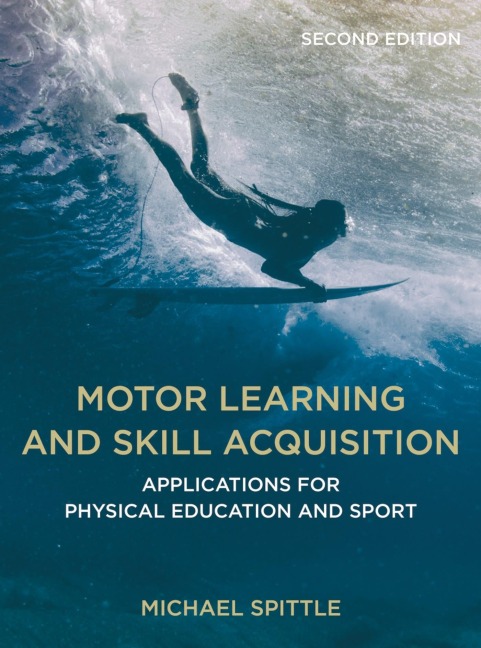
Integrating theory with practice, this core textbook provides a structured and sequential introduction to motor learning and motor control. Part 1 begins by introducing what motor learning is and how movement is controlled, before exploring how a learning environment may be manipulated to assist in the learning and performance of movement skills. Part 2 explores motor control from neural, behavioural and dynamic systems perspectives. Part 3 provides an overview of considerations in applying motor learning and skill acquisition principles to physical education, exercise and sports science. Chapters are illustrated with flowcharts and diagrams to aid students' understanding, and include activities and end-of-chapter review questions to consolidate knowledge. Motor Learning and Skill Acquisition is essential reading for all Physical Education, Exercise and Sports Science and Sports Coaching students.
Michael Spittle is a Senior Lecturer in the School of Exercise and Nutrition Sciences at Deakin University, Australia.
Preface Part 1: Motor Learning Chapter 1: Introduction to Motor Learning and Skill Acquisition Chapter 2: Movement and Sport Skills Chapter 3: Learning and Performance of Motor Skills Chapter 4: Changes in Learning Chapter 5: Abilities and Talent Identification and Development Chapter 6: Transfer of Learning Part 2: Motor Control Chapter 7: Attention and Memory Chapter 8: Movement Planning and Preparation Chapter 9: Senses Influencing Motor Control and Motor Learning Chapter 10: Neuromuscular Mechanisms Chapter 11: Theories of Motor Control and Motor Learning Part 3: Skill Acquisition Chapter 12: Skill Acquisition Approaches and Instructional Methods Chapter 13: Skill and Task Presentation and Instruction Chapter 14: Practice Schedules Chapter 15: Practice Variability Chapter 16: Practice Design and Task Modification. Chapter 17: Practice Organisation and Planning Chapter 18: Other Types of Practice Chapter 19: Performance Analysis and Feedback Chapter 20: Providing Feedback Index.