Und dann auf "Zum Home-Bildschirm [+]".

Stöbern
genialokal zum Startbildschirm hinzufügen
Installieren Sie die genialokal App auf Ihrem Startbildschirm für einen schnellen Zugriff und eine komfortable Nutzung.
Installieren Sie die genialokal App auf Ihrem Startbildschirm für einen schnellen Zugriff und eine komfortable Nutzung.
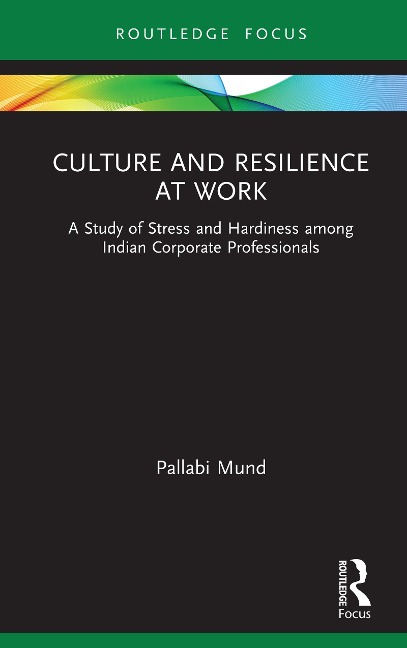
In 1979, Suzanne C. Kobasa propounded her theory of "hardiness" where she hypothesized her 3Cs: Commitment, Control, and Challenge, as the basic ingredients of hardiness that make an individual stress resilient. She was one of the early researchers who paid attention to personality features and illustrated that individuals who experience high level of stress without mental and physical illness have a different personality from those who become ill in stressful conditions. In current times, the discourse has enjoyed a sustained scholarly interest but there is hardly any study on the corporate professionals or the Indian context. Since the early 1990s, India has joined the corporate world and has been a fast-developing country. This changed state of affairs provides a broader scope of study on hardy personality in coping with stress in the Indian context. This book examines the efficacy of hardiness on the Indian corporate professionals in the post-globalization scenario. It endeavours to situate Kobasa's foundational theorisation along with those offered by other scholars in the context of the contemporary life situations with a focus on India. It presents a hypothesis that in the Indian context, culture could be looked upon as yet another basic component of hardiness. Culture and Resilience at Work offers an assessment of the significant contribution of Indian culture as one of the major contributing components in enhancing hardiness in corporate professionals. It will be of interest to researchers, academics, professionals, and students in the fields of stress management, human resource management, social psychology, culture studies, and organizational behaviour.
Dr Pallabi Mund is Assistant Professor in Management at DAV School of Business Management (Utkal University), India.
1. Introduction 2. Literature Review 3. Data Analysis and Interpretation 4. Findings and Conclusions
Dieses eBook wird im PDF-Format geliefert und ist mit einem Adobe Kopierschutz (DRM) versehen. Sie können dieses eBook mit allen Geräten lesen, die das PDF-Format und den Adobe Kopierschutz (DRM) unterstützen.
Zum Beispiel mit den folgenden Geräten:
• tolino Reader
Laden Sie das eBook direkt über den Reader-Shop auf dem tolino herunter oder übertragen Sie das eBook auf Ihren tolino mit einer kostenlosen Software wie beispielsweise Adobe Digital Editions.
• Sony Reader & andere eBook Reader
Laden Sie das eBook direkt über den Reader-Shop herunter oder übertragen Sie das eBook mit der kostenlosen Software Sony READER FOR PC/Mac oder Adobe Digital Editions auf ein Standard-Lesegeräte mit epub- und Adobe DRM-Unterstützung.
• Tablets & Smartphones
Möchten Sie dieses eBook auf Ihrem Smartphone oder Tablet lesen, finden Sie hier unsere kostenlose Lese-App für iPhone/iPad und Android Smartphone/Tablets.
• PC & Mac
Lesen Sie das eBook direkt nach dem Herunterladen mit einer kostenlosen Lesesoftware, beispielsweise Adobe Digital Editions, Sony READER FOR PC/Mac oder direkt über Ihre eBook-Bibliothek in Ihrem Konto unter „Meine eBooks“ - „online lesen“.
Schalten Sie das eBook mit Ihrer persönlichen Adobe ID auf bis zu sechs Geräten gleichzeitig frei.
Bitte beachten Sie, dass die Kindle-Geräte das Format nicht unterstützen und dieses eBook somit nicht auf Kindle-Geräten lesbar ist.