Und dann auf "Zum Home-Bildschirm [+]".

Stöbern
genialokal zum Startbildschirm hinzufügen
Installieren Sie die genialokal App auf Ihrem Startbildschirm für einen schnellen Zugriff und eine komfortable Nutzung.
Installieren Sie die genialokal App auf Ihrem Startbildschirm für einen schnellen Zugriff und eine komfortable Nutzung.

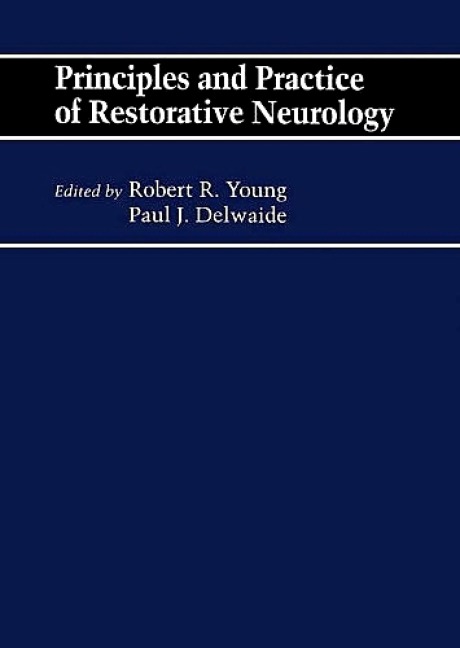
Principles and Practice of Restorative Neurology is a collection of topics in clinical neurology where progress through research has brought concepts of patient management. The collection emphasizes research done clinically and in experimental laboratories and attempts to discuss restorative neurology in the larger context, encompassing biology, neurobiology, and rehabilitative engineering. The book discusses the concept that neurology should be more therapeutic instead of being just diagnostic because of advances in techniques and drugs. An epidemiology of disability and the evaluation of restorative neurology are explained. The text also presents the developments in the pharmacotherapy of major neurological disorders, such as Parkinson's disease, dementia, and stroke. The use of biomechanical or rehabilitation engineering to treat impaired or lost functions in a patient is compared; the feedback mechanisms and the kinds of treatment including microsurgery, nuerostimulation methods, surgery, and molecular genetics that are applied to specific disorders are discussed extensively. The book also reviews the approaches of gene correction for disorders in the central nervous system. Finally, the future needs of neurology in terms of diagnosis and treatments are dealt with as more research, techniques, and drugs are being discovered and proved useful. The collection is intended for neurologists, neurologists in training, and other physicians whose work lies with neurological disorders. The book can also prove useful for practitioners and academicians in the fields of neurosurgery, internal medicine, psychiatry, and rehabilitation medicine.
List of Contributors Foreword Series Preface 1 Introduction-Why Restorative Neurology? 2 Epidemiology of Disability 3 Quantitative Evaluation of the Results of Restorative Neurology 4 Biochemical Changes and Secondary Injury from Stroke and Trauma 5 Applications of Principles of Brain Plasticity and Training to Restore Function 6 Recent Developments in the Pharmacotherapy of Major Neurological Dysfunction 7 Compensating for Impaired or Lost Function-Biomechanical or Rehabilitation Engineering 8 Bio-Feedback and Principles of Motor Learning in the Rehabilitation of Movement Disorders 9 Applications of Principles of Training to Neuromuscular Disorders 10 Stroke Rehabilitation: the Scientific Basis for A 'Model' Service 11 Acute and Long-Term Care of Patients with Spinal Cord Injury or Impairment 12 Multiple Sclerosis-Treatment and Rehabilitation 13 Microsurgical DREZ-Tomy for the Treatment of Pain and Spasticity 14 Rehabilitation in Parkinson's Disease, Day Care Programs for Demented Patients, and Aids for Living and Home Modifications for Patients with Neurologic Physical Disability 15 Thalamotomy in Parkinsonism 16 Neurostimulation Methods for Correcting Functional Imbalances 17 Surgical Treatment of Epilepsy 18 Applications of Molecular Genetics to Restorative Neurology 19 An Approach to the Genetic Correction of Defects and Disorders of the CNS 20 Summary and Future Needs Appendix Index