Und dann auf "Zum Home-Bildschirm [+]".

Stöbern
genialokal zum Startbildschirm hinzufügen
Installieren Sie die genialokal App auf Ihrem Startbildschirm für einen schnellen Zugriff und eine komfortable Nutzung.
Installieren Sie die genialokal App auf Ihrem Startbildschirm für einen schnellen Zugriff und eine komfortable Nutzung.
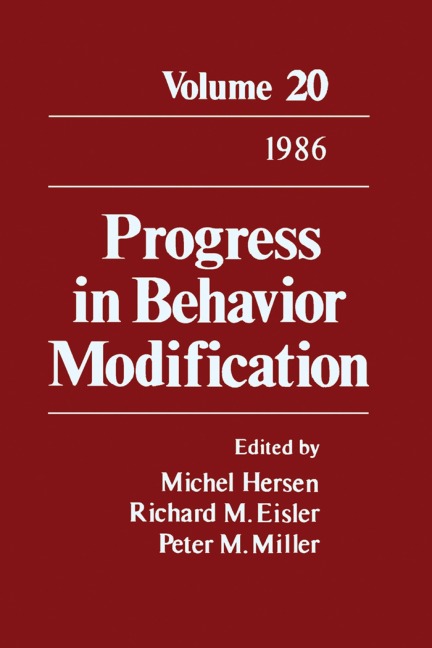
Progress in Behavior Modification, Volume 20 covers the developments in the study of behavior modification. The book discusses the guidelines for the use of contingent electric shock to treat aberrant behavior; the motor activity measurements and DSM-IIII; and the innovations in behavioral medicine. The text also describes the behavioral interventions as adjunctive treatments for chronic asthma; health behavior change at the worksite, with regard to cardiovascular risk reduction; and the role of behavioral change procedures in multifactorial coronary heart disease prevention programs. Psychologists, psychiatrists, and people involved in the study of behavior modification will find the book invaluable.
ContentsContributors Guidelines for the Use of Contingent Electric Shock to Treat Aberrant Behavior I. Introduction II. Preparing an Informed Consent Document for the Treatment of Self-Injurious Behavior III. Preparing an Informed Consent Document for the Treatment of Aggression IV. Guidelines for Developing and Implementing a Shock Program V. Concluding Comments References Motor Activity Measurements and DSM-III I. Introduction II. Activity III. DSM-I IV. DSM-II V. DSM-III VI. DSM-III Categories Involving Activity VII. Other Disorders VIII. Conclusions References Innovations in Behavioral Medicine I. Historical Overview and Current Status II. Treatment III. Health Care Delivery IV. Preventive Health Care V. Methodological Status and Future Directions VI. Summary References Behavioral Interventions as Adjunctive Treatments for Chronic Asthma I. Introduction II. Behavioral Interventions III. Methodological Issues in Asthma Research IV. Summary References Health Behavior Change at the Worksite: Cardiovascular Risk Reduction I. Introduction II. Review of Studies III. Discussion IV. Research Directions References The Role of Behavioral Change Procedures in Multifactorial Coronary Heart Disease Prevention Programs I. Introduction II. Guidelines for Intervention Aimed at Changing Coronary Risk-Related Behaviors III. Community-Based Studies IV. Clinic-Based Studies V. Summary VI. Concluding Remarks References Index