Und dann auf "Zum Home-Bildschirm [+]".

Stöbern
genialokal zum Startbildschirm hinzufügen
Installieren Sie die genialokal App auf Ihrem Startbildschirm für einen schnellen Zugriff und eine komfortable Nutzung.
Installieren Sie die genialokal App auf Ihrem Startbildschirm für einen schnellen Zugriff und eine komfortable Nutzung.
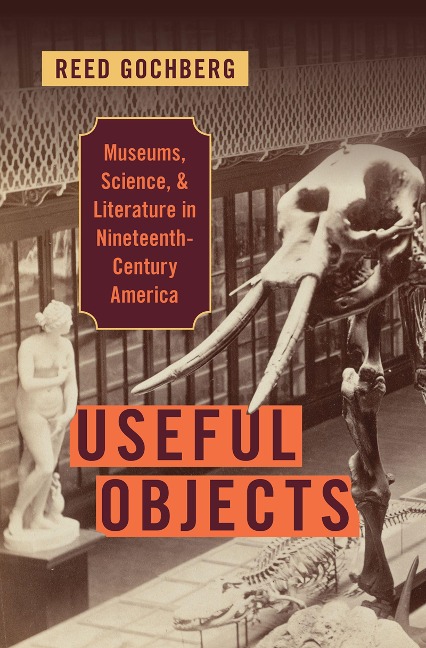
Useful Objects examines the history of American museums during the nineteenth century through the eyes of visitors, writers, and collectors. Museums of this period included a wide range of objects, from botanical and zoological specimens to antiquarian artifacts and technological models. Intended to promote useful knowledge, these collections generated broader discussions about how objects were selected, preserved, and classified. In guidebooks and periodicals, visitors described their experiences within museum galleries and marveled at the objects they encountered. In fiction, essays, and poems, writers embraced the imaginative possibilities represented by collections and proposed alternative systems of arrangement. These conversations interrogated many aspects of American culture, raising deep questions about how objects are interpreted--and who gets to decide their value. Combining literary criticism, the history of science, and museum studies, Useful Objects examines the dynamic and often fraught debates that emerged during a crucial period in the history of museums by drawing on a wide range of archival materials and accounts in fiction, guidebooks, and periodicals. As museums gradually transformed from encyclopedic cabinets to more specialized public institutions, many writers, including J. Hector St. John de Crèvecoeur, Jane Johnston Schoolcraft, William Wells Brown, Walt Whitman, and Henry David Thoreau, questioned who would have access to collections and the authority to interpret them. Throughout this period, they considered loss and preservation, raised concerns about the place of new ideas, and resisted increasingly fixed categories. Their reflections shaped broader debates about the scope and purpose of museums in American culture that continue to resonate today.
Reed Gochberg is a Lecturer on history and literature at Harvard University. Her research and teaching focus on American studies, museum studies, and material culture.
Introduction 1. Circulating Objects: Loss and Decay in the American Philosophical Society's Cabinet 2. Shadowed Silhouettes: Writing Indigenous Resistance in Early American Museums 3. American Claimants: Overwhelming Collections and Visitor Impressions at the British Museum 4. Novel Inventions: Nation and Spectacle in the U.S. Patent Office Gallery 5. Specimen Collectors: Preservation and Classification at the Harvard Museum of Comparative Zoology Conclusion Notes Selected Bibliography Index
Dieses eBook wird im PDF-Format geliefert und ist mit einem Adobe Kopierschutz (DRM) versehen. Sie können dieses eBook mit allen Geräten lesen, die das PDF-Format und den Adobe Kopierschutz (DRM) unterstützen.
Zum Beispiel mit den folgenden Geräten:
• tolino Reader
Laden Sie das eBook direkt über den Reader-Shop auf dem tolino herunter oder übertragen Sie das eBook auf Ihren tolino mit einer kostenlosen Software wie beispielsweise Adobe Digital Editions.
• Sony Reader & andere eBook Reader
Laden Sie das eBook direkt über den Reader-Shop herunter oder übertragen Sie das eBook mit der kostenlosen Software Sony READER FOR PC/Mac oder Adobe Digital Editions auf ein Standard-Lesegeräte mit epub- und Adobe DRM-Unterstützung.
• Tablets & Smartphones
Möchten Sie dieses eBook auf Ihrem Smartphone oder Tablet lesen, finden Sie hier unsere kostenlose Lese-App für iPhone/iPad und Android Smartphone/Tablets.
• PC & Mac
Lesen Sie das eBook direkt nach dem Herunterladen mit einer kostenlosen Lesesoftware, beispielsweise Adobe Digital Editions, Sony READER FOR PC/Mac oder direkt über Ihre eBook-Bibliothek in Ihrem Konto unter „Meine eBooks“ - „online lesen“.
Schalten Sie das eBook mit Ihrer persönlichen Adobe ID auf bis zu sechs Geräten gleichzeitig frei.
Bitte beachten Sie, dass die Kindle-Geräte das Format nicht unterstützen und dieses eBook somit nicht auf Kindle-Geräten lesbar ist.