Und dann auf "Zum Home-Bildschirm [+]".

Stöbern
genialokal zum Startbildschirm hinzufügen
Installieren Sie die genialokal App auf Ihrem Startbildschirm für einen schnellen Zugriff und eine komfortable Nutzung.
Installieren Sie die genialokal App auf Ihrem Startbildschirm für einen schnellen Zugriff und eine komfortable Nutzung.
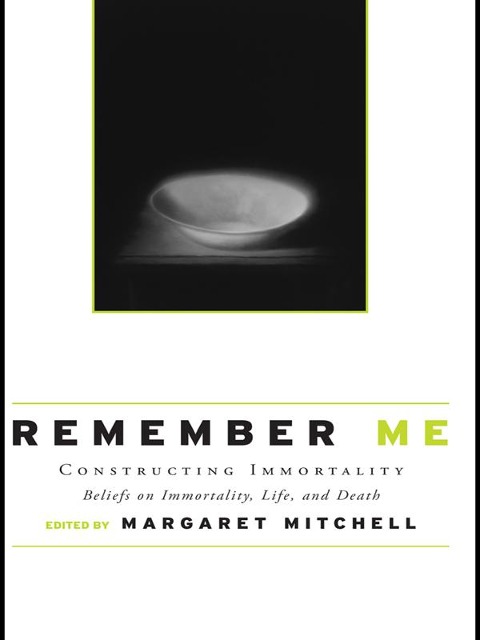
Remember Me brings together contributors from around the world with unique insight on the ways in which one's relationship with loved ones continues, endures, and perhaps even grows after death. Much of the available literature speaks of healthy bereavement as letting go of the deceased and moving forward with life. This new text challenges that notion, discussing the meaning attributed to death and to the anticipation of death. The living, as presented in these innovative chapters, construct social entities of those who have died, via the carrying out of wishes in the Will; pursuing legal claims; or simply attributing certain desires, emotions, or choices to the deceased reconstitutes them as active, even vital, voices even after biological death. Just as life itself, the end of life and death is an interdisciplinary matter. A clear psychological theme and focus ties together these perspectives under three conceptual areas: the anticipation of death; the social life of the deceased and the legal embodiment of the deceased.
Margaret Mitchell, Ph.D., is Associate Professor at Edith Cowan University, Perth, Western Australia and Director of the Sellenger Centre for Research in Law, Justice and Policing. She first became interested in the social context of death while working with Strathclyde Police in Glasgow, Scotland on the aftermath of the Lockerbie Disaster in 1988 and studying its impact on emergency workers and the community.
Acknowledgments. Mitchell, Constructing Immortality: The Role of the Dead in Everyday Life. Howarth, The Rebirth of Death: Continuing Relationships with the Dead. Hockey, Kellaher, Prendergast, Sustaining Kinship: Ritualization and the Disposal of Human Ashes in the United Kingdom. Bourke, "Rachel Comforted": Spiritualism and the Reconstruction of the Body After Death. Fowler, Collective Memory and Forgetting: Components for a Study of Obituaries. Hughes, Fever. Drake, The Will: Inheritance Distribution and Feuding Families. Allsop, Complaints About Health Care in the United Kingdom Following a Person's Death. Johnson, Knowing by Heart: Remembering Victims of Intrafamilial Homicide. Herbert, Psychosocial Death Following Traumatic Brain Injury. Sullivan, Should Suicide be Reported in the Media? A Research Note. Breen, O'Connor, Family Disputes, Dysfunction, and Division: Case Studies of Road Traffic Deaths. Lennon, Mitchell, Dark Tourism: The Role of Sites of Death in Tourism. Beloff, Immortality Work: Photographs as Memento Mori. Wyatt, Art as Afterlife: Posthumous Self-presentation by Eminent Painters. Kornell, The Eternal Cadaver: Anatomy and its Representation. Read, Representing Trauma: The Case for Troubling Images.
Dieses eBook wird im PDF-Format geliefert und ist mit einem Adobe Kopierschutz (DRM) versehen. Sie können dieses eBook mit allen Geräten lesen, die das PDF-Format und den Adobe Kopierschutz (DRM) unterstützen.
Zum Beispiel mit den folgenden Geräten:
• tolino Reader
Laden Sie das eBook direkt über den Reader-Shop auf dem tolino herunter oder übertragen Sie das eBook auf Ihren tolino mit einer kostenlosen Software wie beispielsweise Adobe Digital Editions.
• Sony Reader & andere eBook Reader
Laden Sie das eBook direkt über den Reader-Shop herunter oder übertragen Sie das eBook mit der kostenlosen Software Sony READER FOR PC/Mac oder Adobe Digital Editions auf ein Standard-Lesegeräte mit epub- und Adobe DRM-Unterstützung.
• Tablets & Smartphones
Möchten Sie dieses eBook auf Ihrem Smartphone oder Tablet lesen, finden Sie hier unsere kostenlose Lese-App für iPhone/iPad und Android Smartphone/Tablets.
• PC & Mac
Lesen Sie das eBook direkt nach dem Herunterladen mit einer kostenlosen Lesesoftware, beispielsweise Adobe Digital Editions, Sony READER FOR PC/Mac oder direkt über Ihre eBook-Bibliothek in Ihrem Konto unter „Meine eBooks“ - „online lesen“.
Schalten Sie das eBook mit Ihrer persönlichen Adobe ID auf bis zu sechs Geräten gleichzeitig frei.
Bitte beachten Sie, dass die Kindle-Geräte das Format nicht unterstützen und dieses eBook somit nicht auf Kindle-Geräten lesbar ist.