Und dann auf "Zum Home-Bildschirm [+]".

Stöbern
genialokal zum Startbildschirm hinzufügen
Installieren Sie die genialokal App auf Ihrem Startbildschirm für einen schnellen Zugriff und eine komfortable Nutzung.
Installieren Sie die genialokal App auf Ihrem Startbildschirm für einen schnellen Zugriff und eine komfortable Nutzung.
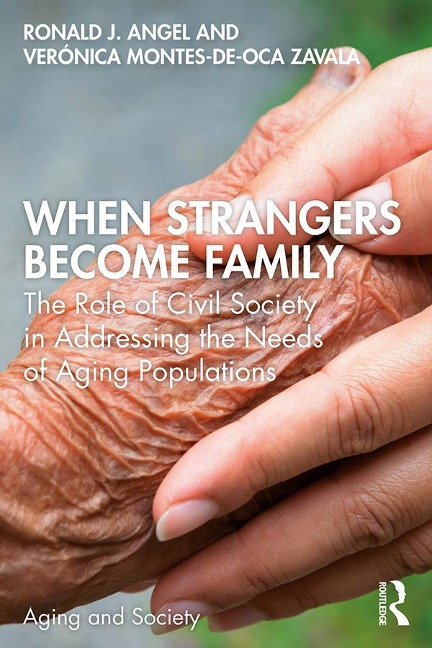
As the 21st Century unfolds, the traditional welfare state that evolved during the 20th Century faces serious threats to the solidarity that social programs were meant to strengthen. The rise of populist and nationalist parties reflects the decline of a sense of belonging and inclusiveness that mass education and economic progress were meant to foster, as traditional politics and parties are rejected by working- and middle-class individuals who were previously their staunchest supporters. Increasingly, these groups reject the growing gaps in income, power, and privilege that they perceive between themselves and highly educated and cosmopolitan business, academic, and political elites. When Strangers Become Family examines the potential role of civil society organizations in guaranteeing the rights and addressing the needs of vulnerable groups, paying particular attention to their role in advocacy for and service delivery to older people. The book includes a discussion of the origins and functions of this sector that focuses on the relationship between the state and non-governmental organizations, as well as a close examination of Mexico - a middle-income nation with a rapidly aging population and limited state welfare for older people. The data reveals important aspects of the relationship among government actors, civil society organizations, and political parties. Ronald Angel and Verónica Montes-de-Oca Zavala ask the fundamental question about the extent to which civil society organizations represent a potential mechanism whereby vulnerable individuals can join together to further their own interests and exercise their individual and group autonomy.
Ronald J. Angel is Professor of Sociology at the University of Texas-Austin and coauthor, along with Jacqueline L. Angel, of Family, Intergenerational Solidarity, and Post-Traditional Society and Latinos in an Aging World. Verónica Montes-de-Oca Zavala is Professor of Sociology and Demography at the Universidad Nacional Autónoma de México (UNAM). She is the author of Envejecimiento en América Latina y el Caribe. UNAM and Oxford Institute of Ageing Population.
1. Struggling Collectively for Truth and Justice 2. Defamilisation and the Welfare State 3. Elder Rights in the Context of the New Human Rights Discourse 4. Active Aging and Citizenship 5. The Political and Legal Contexts of Eldercare in Mexico 6. Labor Unions and the Struggle for Political Power 7. Improving the Quality of Life 8. The Expanding Human Rights Agenda 9. Illiberal Democracy and the Future of Civil Society
Dieses eBook wird im PDF-Format geliefert und ist mit einem Adobe Kopierschutz (DRM) versehen. Sie können dieses eBook mit allen Geräten lesen, die das PDF-Format und den Adobe Kopierschutz (DRM) unterstützen.
Zum Beispiel mit den folgenden Geräten:
• tolino Reader
Laden Sie das eBook direkt über den Reader-Shop auf dem tolino herunter oder übertragen Sie das eBook auf Ihren tolino mit einer kostenlosen Software wie beispielsweise Adobe Digital Editions.
• Sony Reader & andere eBook Reader
Laden Sie das eBook direkt über den Reader-Shop herunter oder übertragen Sie das eBook mit der kostenlosen Software Sony READER FOR PC/Mac oder Adobe Digital Editions auf ein Standard-Lesegeräte mit epub- und Adobe DRM-Unterstützung.
• Tablets & Smartphones
Möchten Sie dieses eBook auf Ihrem Smartphone oder Tablet lesen, finden Sie hier unsere kostenlose Lese-App für iPhone/iPad und Android Smartphone/Tablets.
• PC & Mac
Lesen Sie das eBook direkt nach dem Herunterladen mit einer kostenlosen Lesesoftware, beispielsweise Adobe Digital Editions, Sony READER FOR PC/Mac oder direkt über Ihre eBook-Bibliothek in Ihrem Konto unter „Meine eBooks“ - „online lesen“.
Schalten Sie das eBook mit Ihrer persönlichen Adobe ID auf bis zu sechs Geräten gleichzeitig frei.
Bitte beachten Sie, dass die Kindle-Geräte das Format nicht unterstützen und dieses eBook somit nicht auf Kindle-Geräten lesbar ist.