Und dann auf "Zum Home-Bildschirm [+]".

Stöbern
genialokal zum Startbildschirm hinzufügen
Installieren Sie die genialokal App auf Ihrem Startbildschirm für einen schnellen Zugriff und eine komfortable Nutzung.
Installieren Sie die genialokal App auf Ihrem Startbildschirm für einen schnellen Zugriff und eine komfortable Nutzung.
Ihr gewünschter Artikel ist in 0 Buchhandlungen vorrätig - wählen Sie hier eine Buchhandlung in Ihrer Nähe aus:

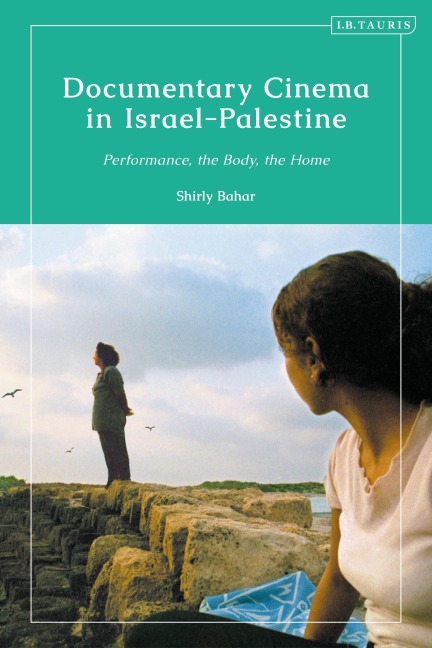
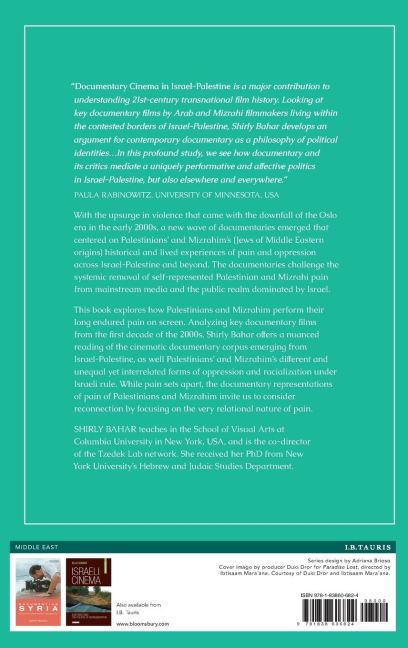
Alongside the upsurge in violence that came with the downfall of the Oslo era in the early 2000s, a new wave of documentaries emerged that centered on Palestinians' and Mizrahim's (Jews of Middle Eastern origins) historical and lived experiences of pain and oppression across Israel-Palestine and beyond. The documentaries challenge the systemic removal of self-represented Palestinian and Mizrahi pain from mainstream media and the public realm dominated by Israel. . This book explores how Palestinians and Mizrahim perform their long endured pain on screen. Analysing key documentary films from the first decade of the 2000s, Shirly Bahar offers a nuanced reading of the cinematic documentary corpus emerging from Israel-Palestine, as well Palestinians' and Mizrahim's different and unequal yet interrelated forms of oppression and racialization under Israeli rule. While pain sets them apart, the documentary representations of pain of Palestinians and Mizrahim invite us to consider reconnection by focusing on the very relational nature of pain.
Shirly Bahar
Introduction Part I: The Body 1. Jenin: Living with Martyrdom in Mohammad Bakri's Jenin Jenin and Since You Left, and Juliano Mer-Hamis' Arna's Children 2. Heads Held High: Mizrahim's Coming of Age and Activism in David Belhassen and Asher Hamies' The Ringworm Children, David Benchetrit's Kaddim Wind: A Moroccan Chronicle, and Nissim Mosek's Have You Heard of the Black Panthers? Part II: Home 3. Speaking Out About the Places of Palestine in Israel in Rachel Leah Jones' 500 Dunam on the Moon, Michel Khleifi and Eyal Sivan's Route 181, and Ibtisaam Maraana's Paradise Lost 4. A Mother Tongue, A Daughter's Voice: Mizrahi Women's Homecoming to the Arabic Language in Effi Banai's Longing and Israela Shaer-Meoded's Queen Khantarisha Concluding Notes: Looking Towards Mizrahi Solidarity with the Palestinian Struggle Bibliography