Und dann auf "Zum Home-Bildschirm [+]".

Stöbern
genialokal zum Startbildschirm hinzufügen
Installieren Sie die genialokal App auf Ihrem Startbildschirm für einen schnellen Zugriff und eine komfortable Nutzung.
Installieren Sie die genialokal App auf Ihrem Startbildschirm für einen schnellen Zugriff und eine komfortable Nutzung.
Ihr gewünschter Artikel ist in 0 Buchhandlungen vorrätig - wählen Sie hier eine Buchhandlung in Ihrer Nähe aus:

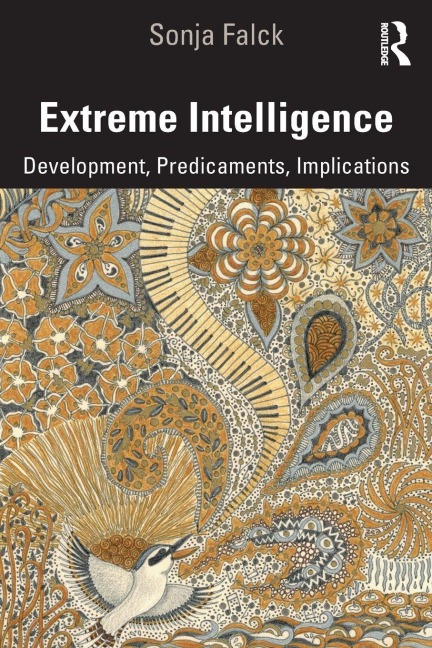
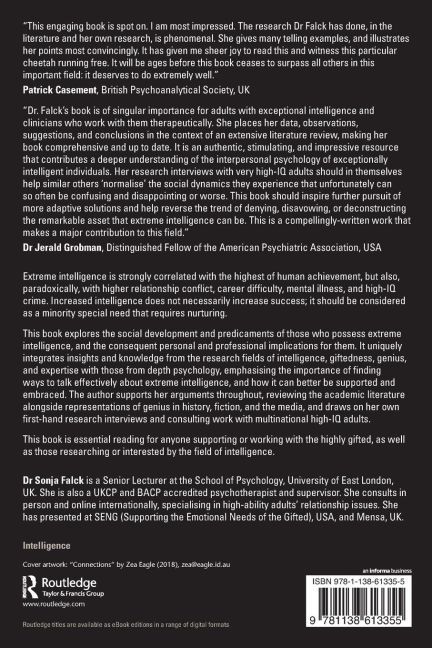
Extreme intelligence is strongly correlated with the highest of human achievement, but also, paradoxically, with higher relationship conflict, career difficulty, mental illness, and high-IQ crime. Increased intelligence does not necessarily increase success; it should be considered as a minority special need that requires nurturing.
This book explores the social development and predicaments of those who possess extreme intelligence, and the consequent personal and professional implications for them. It uniquely integrates insights and knowledge from the research fields of intelligence, giftedness, genius, and expertise with those from depth psychology, emphasising the importance of finding ways to talk effectively about extreme intelligence, and how it can better be supported and embraced. The author supports her arguments throughout, reviewing the academic literature alongside representations of genius in history, fiction, and the media, and draws on her own first-hand research interviews and consulting work with multinational high-IQ adults.
This book is essential reading for anyone supporting or working with the highly gifted, as well as those researching or interested by the field of intelligence.
Dr Sonja Falck is a Senior Lecturer at the School of Psychology, University of East London, UK. She is also a UKCP and BACP accredited psychotherapist and supervisor. She consults in person and online internationally, specialising in high-ability adults' relationship issues. She has presented at SENG (Supporting the Emotional Needs of the Gifted), USA, and the British branch of the international high IQ society Mensa, UK.
List of Figures List of Tables Acknowledgements Extended Table of Contents Preface: Mother says no Introduction: How do we think and speak about extreme intelligence? Part I: Development Chapter 1 - Measures and Methods: The identifying and quantifying of intelligence Chapter 2 - The Roots of Difference: How is it that some people stand out so much from others? Chapter 3 - Core Biopsychosocial Issues: Needing to be noticed, dreading rejection Part II: Predicaments Chapter 4 - Recognition and Reactions: What happens when someone stands out so much? Chapter 5 - Naïve Child, Arrogant Emperor: Are the intellectually adept, socially inept? Chapter 6 - Madness, Misunderstanding, and Misdiagnosis: Is extreme intelligence a benefit or a liability? Part III: Implications Chapter 7 - Entrapment: The unintentional perpetuation of interpersonal trouble Chapter 8 - Hiding Self, Reaching Out: The 'High-IQ Relational Styles' framework Chapter 9 - Helping High Ability Thrive: Channelling abilities whilst managing threat Conclusion: Implications for the world around us of how we relate to extreme intelligence Appendix: Explaining the research process that underpins the book Index