Und dann auf "Zum Home-Bildschirm [+]".

Stöbern
genialokal zum Startbildschirm hinzufügen
Installieren Sie die genialokal App auf Ihrem Startbildschirm für einen schnellen Zugriff und eine komfortable Nutzung.
Installieren Sie die genialokal App auf Ihrem Startbildschirm für einen schnellen Zugriff und eine komfortable Nutzung.
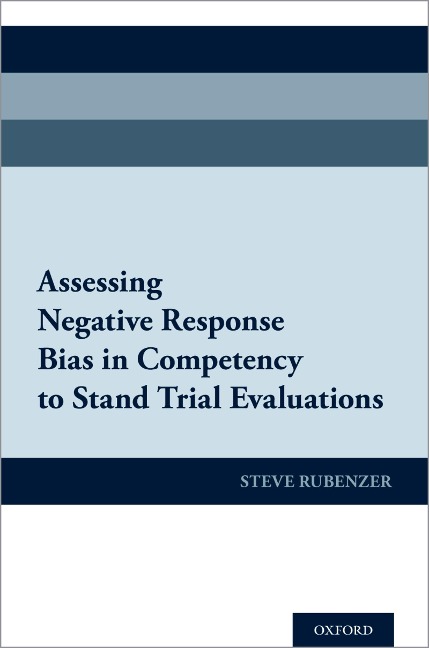
Evaluations of a defendant's competence to stand trial (CST) are probably the most frequently performed forensic evaluations, with estimates in the United States ranging from 60,000 to 70,000 annually. In order for CST evaluations to be considered thorough and accurate, examiners must assess for possible lack of cooperation, feigning, or malingering - the intentional production or gross exaggeration of false or grossly exaggerated physical or psychiatric symptoms, motivated by external incentives. Yet, there are accounts that CST examiners often do not assess for negative response bias, and even if they do nevertheless fail to identify a considerable number of examinees that do feign. Assessing Negative Response Bias in Competency to Stand Trial Evaluations provides readers with a comprehensive guide to assessing whether a defendant has feigned mental impairment during a competency to stand trial evaluation, or simply did not put forth his/her best effort. This book reviews the literature on assessing feigning and negative response bias, with particular focus on issues, tests, and data relevant to CST evaluations, and examines proposed criteria and statistical methods of determining and classifying assessment results. It introduces readers to aspects of the vibrant neuropsychological response style literature, an area many forensic psychologists appear to have overlooked. Additionally, it offers recommendations for research and policy regarding the parameters of CST assessment.
Steve Rubenzer, PhD, ABPP, received his doctorate in Clinical Psychology at the University of Houston. He has worked in the field of forensic psychology since 1995, earned his board certification in forensic psychology in 2004 after completing work samples in competency and sanity assessment, and has authored multiple peer-reviewed papers on response style assessment in competency to stand trial and disability evaluations. He has performed approximately four thousand competency exams in Texas, New Hampshire, and Alabama, on cases ranging from trespassing to the highest profile capital murder.
Preface Acknowledgments 1. Introduction - There May Be a Great Fraud 2. The Evaluation: Data Gathering and Strategy 3. CST Instruments and General Clinical Measures 4. Instruments for Assessing Feigned Psychopathology 5. Tests of Feigned or Exaggerated Cognitive Limitations 6. Measures of Feigned Incompetency 7. Means of Combining Data 8. Special Problems and Populations in Feigned Incompetency 9. Report Writing and Testimony 10. A Survey of CST Examiners 11. Research and Policy Issues Appendix A - AUC Explained Appendix B - Master Table of Test Diagnostic Stats References Glossary
Dieses eBook wird im PDF-Format geliefert und ist mit einem Adobe Kopierschutz (DRM) versehen. Sie können dieses eBook mit allen Geräten lesen, die das PDF-Format und den Adobe Kopierschutz (DRM) unterstützen.
Zum Beispiel mit den folgenden Geräten:
• tolino Reader
Laden Sie das eBook direkt über den Reader-Shop auf dem tolino herunter oder übertragen Sie das eBook auf Ihren tolino mit einer kostenlosen Software wie beispielsweise Adobe Digital Editions.
• Sony Reader & andere eBook Reader
Laden Sie das eBook direkt über den Reader-Shop herunter oder übertragen Sie das eBook mit der kostenlosen Software Sony READER FOR PC/Mac oder Adobe Digital Editions auf ein Standard-Lesegeräte mit epub- und Adobe DRM-Unterstützung.
• Tablets & Smartphones
Möchten Sie dieses eBook auf Ihrem Smartphone oder Tablet lesen, finden Sie hier unsere kostenlose Lese-App für iPhone/iPad und Android Smartphone/Tablets.
• PC & Mac
Lesen Sie das eBook direkt nach dem Herunterladen mit einer kostenlosen Lesesoftware, beispielsweise Adobe Digital Editions, Sony READER FOR PC/Mac oder direkt über Ihre eBook-Bibliothek in Ihrem Konto unter „Meine eBooks“ - „online lesen“.
Schalten Sie das eBook mit Ihrer persönlichen Adobe ID auf bis zu sechs Geräten gleichzeitig frei.
Bitte beachten Sie, dass die Kindle-Geräte das Format nicht unterstützen und dieses eBook somit nicht auf Kindle-Geräten lesbar ist.