Und dann auf "Zum Home-Bildschirm [+]".

Stöbern
genialokal zum Startbildschirm hinzufügen
Installieren Sie die genialokal App auf Ihrem Startbildschirm für einen schnellen Zugriff und eine komfortable Nutzung.
Installieren Sie die genialokal App auf Ihrem Startbildschirm für einen schnellen Zugriff und eine komfortable Nutzung.
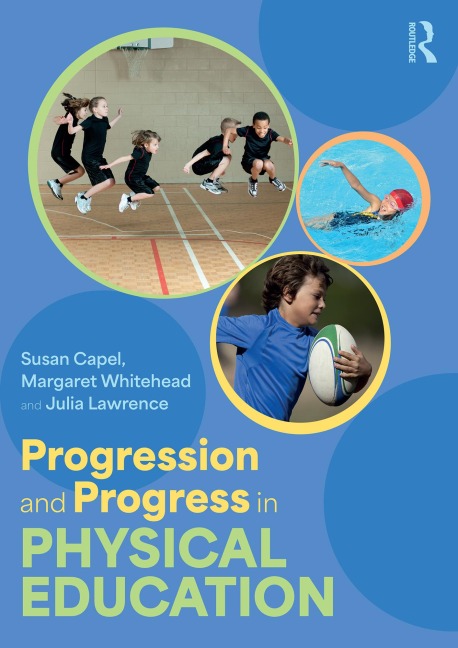
How well do I take account of the needs of different classes and individual learners to facilitate and enhance progress? Do I plan for progress based on where learners are currently at? Does the curriculum facilitate and enhance progress? Exploring these questions and more, this book examines what progress in physical education looks like and conditions for facilitating and enhancing the progress of individual learners across different domains of learning. Progression and Progress in Physical Education contains 12 units, each of which highlights an aspect of progression or progress in physical education. Throughout, the book emphasises that it is individual learners that make progress therefore highlighting the importance of catering for the holistic, individual learner. Grouped into four sections, units cover: - What is meant by progression, progress and learning? - The holistic nature of individual learners - The Physical, Cognitive and Affective Domains of learning - Teaching to facilitate and enhance progress - Recognising and charting progress - The role of the curriculum in facilitating and enhancing progress - The broader context in which physical education teachers work Filled throughout with examples of existing good practice and useful tips, this text will support all primary and secondary physical education teachers in facilitating and enhancing learner progress in physical education.
Susan Capel is a Professor Emerita at Brunel University, London. Margaret Whitehead is currently a Visiting Professor at the University of Bedfordshire and an Adjunct Professor at the University of Canberra. Julia Lawrence is Assistant Professor at Northumbria University and Secondary Lead Mentor for Scarborough Teaching Alliance.
Unit 1 - Introduction The purpose of this book: about us: about teachers: about the book: permeation throughout the book: other resources; and so Unit 2 - Progression, Progress and Learning Progression and Progress: Progression in physical education: Progress in physical education: Learning: Theories of Learning: Principles for facilitating and enhancing progress Unit 3 - The Learner The holistic nature of the learner endowed with a range of capabilities: Growth and Development: Other factors which impact on learners: Principles for facilitating and enhancing the learning of every learner Unit 4 - Domains of Learning in Physical Education - An Introduction Justification for the selection of the three domains of learning in physical education: Analysis of the three domains: Using the Aspects and Foci to recognise Learner Progress: The Ladders of Progress Unit 5 - The Physical Domain Descriptions of terms used in the unit: parameters of learning in physical education in compulsory schooling: progress in the physical domain: Aspect 1 Movement Patterns: Aspect 2 Movement Activities Unit 6 - The Cognitive Domain The nature of the cognitive domain: The levels of cognitive process: The types of knowledge: The cognitive domain in physical education: Aspect 1 Constituents and principles of movement: Aspect 2 Adopting a physically active lifestyle Unit 7 - The Affective Domain The importance of attitudes in progress in physical education: Theory related to the Affective Domain: Progress in the Affective Domain as compared to progress in the Physical and Cognitive Domains: Progress in the Affective Domain: Aspect 1 Motivation: Aspect 2 Confidence: Aspect 3 Autonomy Unit 8 - Viewing the Physical, Cognitive and Affective Holistically The holistic nature of individual learner progress: Scenarios of individual learners illustrating the holistic nature of learning Unit 9 - Teaching to Facilitate and Enhance Progress Rational, reflective and responsive teaching: Learner-centred teaching: Taking account of learners as holistic and unique: Using the ladders of progress to support the holistic progress of each individual learner: Principles for facilitating and enhancing progress: Supporting learners to take responsibility for own learning Unit 10 - Recognising and Charting Progress Recognising and charting learner progress holistically: Recognising and charting the progress of individual learners: Recognising progress: Observation for learning: Assessment for learning: Feedback for learning: Charting progress for learning: Supporting learners to develop their ability to observe, assess provide feedback and to chart their own progress Unit 11 - The Importance of a Progressive Curriculum in Supporting Learner Progress Definitions of curriculum and approaches to curriculum planning: The physical education curriculum: Some key considerations in relation to curriculum planning Unit 12 - The Broader Context Working together as a team: Working with others in the school: The external context
Dieses eBook wird im PDF-Format geliefert und ist mit einem Adobe Kopierschutz (DRM) versehen. Sie können dieses eBook mit allen Geräten lesen, die das PDF-Format und den Adobe Kopierschutz (DRM) unterstützen.
Zum Beispiel mit den folgenden Geräten:
• tolino Reader
Laden Sie das eBook direkt über den Reader-Shop auf dem tolino herunter oder übertragen Sie das eBook auf Ihren tolino mit einer kostenlosen Software wie beispielsweise Adobe Digital Editions.
• Sony Reader & andere eBook Reader
Laden Sie das eBook direkt über den Reader-Shop herunter oder übertragen Sie das eBook mit der kostenlosen Software Sony READER FOR PC/Mac oder Adobe Digital Editions auf ein Standard-Lesegeräte mit epub- und Adobe DRM-Unterstützung.
• Tablets & Smartphones
Möchten Sie dieses eBook auf Ihrem Smartphone oder Tablet lesen, finden Sie hier unsere kostenlose Lese-App für iPhone/iPad und Android Smartphone/Tablets.
• PC & Mac
Lesen Sie das eBook direkt nach dem Herunterladen mit einer kostenlosen Lesesoftware, beispielsweise Adobe Digital Editions, Sony READER FOR PC/Mac oder direkt über Ihre eBook-Bibliothek in Ihrem Konto unter „Meine eBooks“ - „online lesen“.
Schalten Sie das eBook mit Ihrer persönlichen Adobe ID auf bis zu sechs Geräten gleichzeitig frei.
Bitte beachten Sie, dass die Kindle-Geräte das Format nicht unterstützen und dieses eBook somit nicht auf Kindle-Geräten lesbar ist.