Und dann auf "Zum Home-Bildschirm [+]".

Stöbern
genialokal zum Startbildschirm hinzufügen
Installieren Sie die genialokal App auf Ihrem Startbildschirm für einen schnellen Zugriff und eine komfortable Nutzung.
Installieren Sie die genialokal App auf Ihrem Startbildschirm für einen schnellen Zugriff und eine komfortable Nutzung.

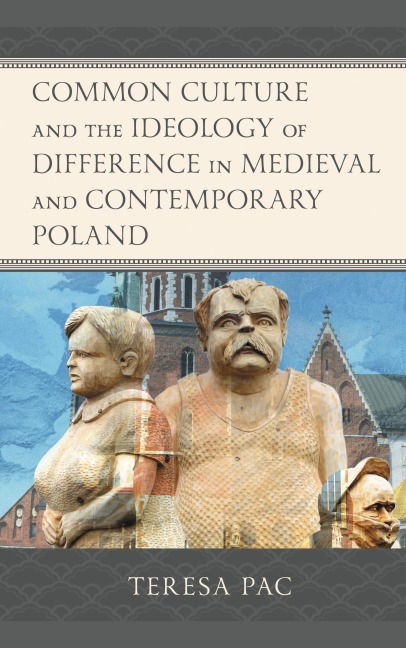
Teresa Pac provides a much-needed contribution to the discussion on shared culture as foundational to societal survival. Through the examination of common culture as a process in medieval Kraków, Poznan, and Lublin, Pac challenges the ideology of difference-institutional, religious, ethnic, and nationalistic. Similarly, Pac maintains, twenty-first century Polish leaders utilize anachronistic approaches in the invention of Polish Catholic identity to counteract the country's increasing ethnic and religious diversity. As in the medieval period, contemporary Polish political and social elites subscribe to the European Union's ideology of difference, legitimized by a European Christian heritage, and its intended basis for discrimination against non-Christians and non-white individuals under the auspices of democratic values and minority rights, among which Muslims are a significant target.
Teresa Pac is associate professor at the University of Central Oklahoma.
Lists of Figures
Preface
Introduction. Common Culture and the Ideology of Difference in Medieval and Contemporary Poland
Chapter 1. A Common Culture in Late Fourteenth-Century Kraków, Poznan, and Lublin
Chapter 2. The Common Culture of Kraków, Poznan, and Lublin between the 1380s and 1450s
Chapter 3. The Pretext of Catholic Royal Power through Spectacles, Visual Language, and Written Texts
Chapter 4. Poland and the EU: Common Culture and the Segregational Politics of Equality
Conclusion
Bibliography
Index
About the Author