Und dann auf "Zum Home-Bildschirm [+]".

Stöbern
genialokal zum Startbildschirm hinzufügen
Installieren Sie die genialokal App auf Ihrem Startbildschirm für einen schnellen Zugriff und eine komfortable Nutzung.
Installieren Sie die genialokal App auf Ihrem Startbildschirm für einen schnellen Zugriff und eine komfortable Nutzung.
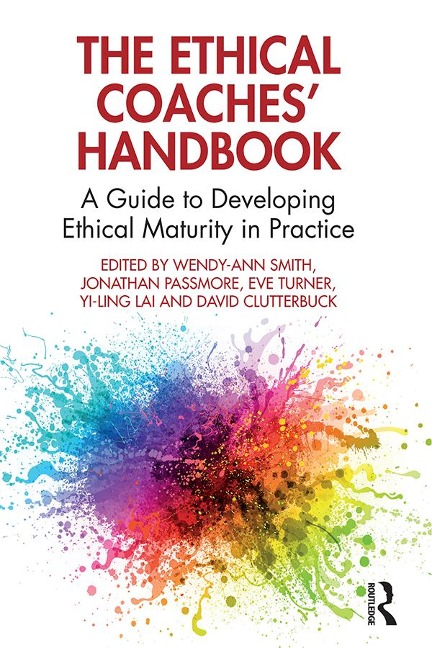
What does it mean to be ethical as a coach? Just how ethical are you? How does ethics influence your coaching and how do you know if you are engaging in ethical practice? This important and eye-opening volume provides critical insight from the thought leaders in coaching across a full range of ethical issues. Presented in four parts, this new handbook works to guide the reader towards ethical maturity to strengthen their practice, though examination of theory and thought provoking practice examples. Part 1, Foundations of Ethics in Coaching, provides a detailed overview of the basic principles of ethical coaching. Part 2, Ethics in Coaching Practice, details specific examples of where you will need to think ethically and be guided by good ethics within your practice. Part 3, Pushing the Boundaries of Ethical Thinking in Coaching, dives deeper into topics such as race, managing mental health, the environment and marketing. Part 4 consists of twelve case studies which encourage you to think about putting the theory of the book into practice. The Ethical Coaches' Handbook will provide ideal support to students, practitioners and coach educators looking to deepen, broaden and enhance their ethical coaching practice.
Wendy-Ann Smith is an independent Coaching Psychologist and Project Consultant. She is an editor of 'Positive Psychology Coaching in the Workplace' and co-founder of the Coaching Ethics Forum. Prof Jonathan Passmore is a professor of coaching at Henley Business School and Senior Vice President at CoachHub. Eve Turner's journey has encompassed classical music, journalism and senior leadership in the BBC, and she is now a multi-award-winning coach, supervisor, researcher and author, and an active volunteer in the profession Yi-Ling Lai (PhD, CPsychol), is a Lecturer in Organizational Psychology at Birkbeck College, University of London David Clutterbuck is one of the earliest pioneers of modern coaching and mentoring
Introduction; PART ONE: FOUNDATIONS OF ETHICS IN COACHING; 1: Ethical coaching and its relationships 2. What is ethics and how does it apply to coaching? 3. Ethics and the professional coaching bodies 4. Exploring ethical codes 5. Ethical decision-making frameworks 6. What might be an evidence base for coaching - ethical issues 7. Legal considerations of ethical decision making in coaching PART TWO: ETHICS IN COACHING PRACTICE 8.The psychological contract in coaching 9. Supervision ethics 10. Ethics in team coaching 11. Ethical issues in note taking and record keeping in coaching 12. Ethics in using psychometrics in coaching 13. Ethics in mental health and suicide management in coaching 14. Ethics of multi-party contracting in coaching 15. Ethics in transnational assignments in coaching PART THREE: PUSHING THE BOUNDARIES OF CONVENTIONAL ETHICAL THINKING IN COACHING 16. Positive ethical practice for coaching excellence and wellbeing 17. Ethics in education and the development of coaches 18. Ethics, wisdom and adult development in coaching 19. Ethics and culture in coaching - moving beyond a universal western ethical code 20. Race: Ethical Perspectives on Equity-based Coaching 21. An ethical exit strategy for dealing with incapacity and unexpected death 22. Ethics and the ecological environment in coaching: searching for a new paradigm 23. Ethics and the digital environment in coaching 24. Ethical considerations for the Use of Multisource Feedback in Coaching 25. Choose me! Ethics in the promotion of coaching PART FOUR: CASE STUDIES 26. A series of 12 case studies for coach reflection and discussion Appenndix A1 Appendix A2 Appendix A3 Index
Dieses eBook wird im PDF-Format geliefert und ist mit einem Adobe Kopierschutz (DRM) versehen. Sie können dieses eBook mit allen Geräten lesen, die das PDF-Format und den Adobe Kopierschutz (DRM) unterstützen.
Zum Beispiel mit den folgenden Geräten:
• tolino Reader
Laden Sie das eBook direkt über den Reader-Shop auf dem tolino herunter oder übertragen Sie das eBook auf Ihren tolino mit einer kostenlosen Software wie beispielsweise Adobe Digital Editions.
• Sony Reader & andere eBook Reader
Laden Sie das eBook direkt über den Reader-Shop herunter oder übertragen Sie das eBook mit der kostenlosen Software Sony READER FOR PC/Mac oder Adobe Digital Editions auf ein Standard-Lesegeräte mit epub- und Adobe DRM-Unterstützung.
• Tablets & Smartphones
Möchten Sie dieses eBook auf Ihrem Smartphone oder Tablet lesen, finden Sie hier unsere kostenlose Lese-App für iPhone/iPad und Android Smartphone/Tablets.
• PC & Mac
Lesen Sie das eBook direkt nach dem Herunterladen mit einer kostenlosen Lesesoftware, beispielsweise Adobe Digital Editions, Sony READER FOR PC/Mac oder direkt über Ihre eBook-Bibliothek in Ihrem Konto unter „Meine eBooks“ - „online lesen“.
Schalten Sie das eBook mit Ihrer persönlichen Adobe ID auf bis zu sechs Geräten gleichzeitig frei.
Bitte beachten Sie, dass die Kindle-Geräte das Format nicht unterstützen und dieses eBook somit nicht auf Kindle-Geräten lesbar ist.