Und dann auf "Zum Home-Bildschirm [+]".

Stöbern
genialokal zum Startbildschirm hinzufügen
Installieren Sie die genialokal App auf Ihrem Startbildschirm für einen schnellen Zugriff und eine komfortable Nutzung.
Installieren Sie die genialokal App auf Ihrem Startbildschirm für einen schnellen Zugriff und eine komfortable Nutzung.
Ihr gewünschter Artikel ist in 0 Buchhandlungen vorrätig - wählen Sie hier eine Buchhandlung in Ihrer Nähe aus:

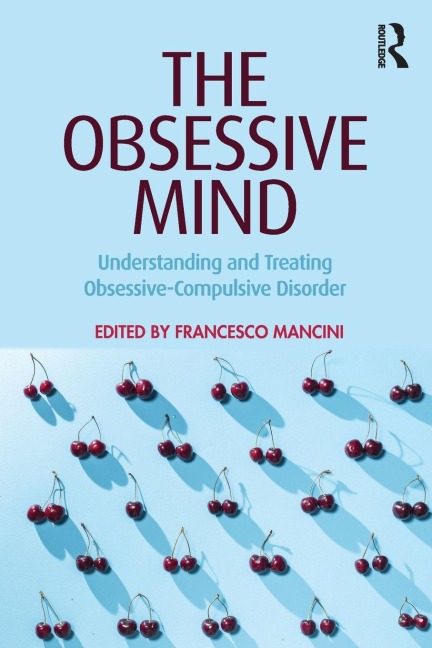
Based on the results of current research, The Obsessive Mind offers a well-defined and comprehensive understanding of Obsessive-Compulsive Disorder and its treatment model.
Francesco Mancini is director of the Quadrennial Postgraduate Specialisation Schools in Cognitive-Behaviour Psychotherapy Associazione di Psicologia Cognitiva APC and Scuola di Psicoterapia Cognitiva srl SPC, and full professor of clinical psychology at Guglielmo Marconi University, Rome. He is the past-president of the Italian Society of Behavioural and Cognitive Therapy (SITCC).
List of Contributors Foreword Acknowledgements Introduction Part 1 Psychological Explanation of Obsessive-Compulsive Disorder 1. The Characteristics of Obsessive-Compulsive Disorder and the Questions it Raises 2. Goals and Beliefs, Proximate Determinants of Obsessive-Compulsive Symptoms 3. Cognitive Processes in Obsessive-Compulsive Disorder 4. Answers to the Questions Raised by Obsessive-Compulsive Disorder 5. Cognitive Deficits and Obsessive-Comulsive Disorder 6. Vulnerability in Obsessive-Comulsive Disorder Part 2 Psychological Therapy for Obsessive-Compulsive Disorder 7. Introduction to the Therapy: The Rationale of the Intervention 8. Constructing a Diagrammatic Model for Understanding the Disorder: Objectives, Procedure, Difficulties 9. Techniques of Cognitive Restructuring 10. Disgust and Contamination: Cognitive Anti-Disgust Interventions 11. Accepting Risk: Cognitive Techniques 12. Exposure with Response Prevention as a Practice of Acceptance 13. Mindfulness for the Treatment of Obsessive-Compulsive Disorder 14. Intervention to Reduce Current Vulnerability to Obsessive-Compulsive Disorder 15. Interventions on Historical Vulnerability 16. Preventing Relapses and Concluding Therapy 17. The Role of Family Members in the Maintenance of Obsessive-Compulsive Disorder: Psychoeducation and Psychotherapy 18. Treatment Traps: Underlying Beliefs and Goals and Solutions References Index