Und dann auf "Zum Home-Bildschirm [+]".

Stöbern
genialokal zum Startbildschirm hinzufügen
Installieren Sie die genialokal App auf Ihrem Startbildschirm für einen schnellen Zugriff und eine komfortable Nutzung.
Installieren Sie die genialokal App auf Ihrem Startbildschirm für einen schnellen Zugriff und eine komfortable Nutzung.
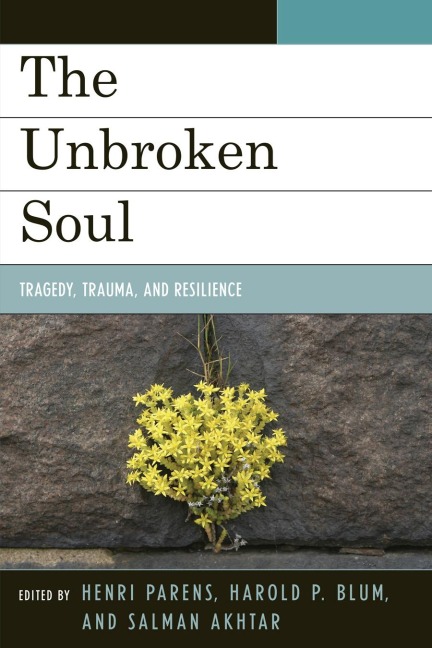
How do individuals cope constructively with significant trauma? How do they recover from it? What factors seem most codetermining of coping with and recovering from trauma? Can these be not only identified but also influenced by our interventions? Addressing these questions-questions about human beings' capacity for resilience-is the prime challenge taken up in this book by an assortment of international psychoanalytic, attachment, and biological mental health theorists and clinicians. While mental health professionals are well trained to identify and treat psychopathology, little is taught about how to look for strengths in patients that assist them in their coping and that, on their own and with our nurturance, can foster their recovery. Some of the contributors to this volume, having themselves been subjected to severe trauma, speak of resilience both from within their own experience, from those around them, and from their work with traumatized patients.
Henri Parens, M.D. is professor of psychiatry at Jefferson Medical College and training and supervising analyst at the Psychoanalytic Center of Philadelphia.
Salman Akhtar, M.D. is professor of psychiatry at Jefferson Medical College, training and supervising analyst at the Psychoanalytic Center of Philadelphia, and a fellow of the American Psychiatric Association and the American College of Psychoanalysts.
Harold P. Blum, M.D. is clinical professor of psychiatry and training analyst at New York University School of Medicine.
Chapter 1 The biopsychosocial miracle of resilience: An overview
Chapter 2 Children in war and their resiliences
Chapter 3 Some thoughts on psychic trauma and its treatment
Chapter 4 Resilience: Accommodation and recovery
Chapter 5 On genocidal persecution and resilience
Chapter 6 A self-study of resilience - Healing from the Holocaust
Chapter 7 Resilience, sublimation, and healing: Reactions to a personal narrative
Chapter 8 Psychological and biological factors associated with resilience to stress and trauma
Chapter 9 From trauma to resilience
Chapter 10 Resilience and Its Correlates
Dieses eBook wird im PDF-Format geliefert und ist mit einem Adobe Kopierschutz (DRM) versehen. Sie können dieses eBook mit allen Geräten lesen, die das PDF-Format und den Adobe Kopierschutz (DRM) unterstützen.
Zum Beispiel mit den folgenden Geräten:
• tolino Reader
Laden Sie das eBook direkt über den Reader-Shop auf dem tolino herunter oder übertragen Sie das eBook auf Ihren tolino mit einer kostenlosen Software wie beispielsweise Adobe Digital Editions.
• Sony Reader & andere eBook Reader
Laden Sie das eBook direkt über den Reader-Shop herunter oder übertragen Sie das eBook mit der kostenlosen Software Sony READER FOR PC/Mac oder Adobe Digital Editions auf ein Standard-Lesegeräte mit epub- und Adobe DRM-Unterstützung.
• Tablets & Smartphones
Möchten Sie dieses eBook auf Ihrem Smartphone oder Tablet lesen, finden Sie hier unsere kostenlose Lese-App für iPhone/iPad und Android Smartphone/Tablets.
• PC & Mac
Lesen Sie das eBook direkt nach dem Herunterladen mit einer kostenlosen Lesesoftware, beispielsweise Adobe Digital Editions, Sony READER FOR PC/Mac oder direkt über Ihre eBook-Bibliothek in Ihrem Konto unter „Meine eBooks“ - „online lesen“.
Schalten Sie das eBook mit Ihrer persönlichen Adobe ID auf bis zu sechs Geräten gleichzeitig frei.
Bitte beachten Sie, dass die Kindle-Geräte das Format nicht unterstützen und dieses eBook somit nicht auf Kindle-Geräten lesbar ist.