Und dann auf "Zum Home-Bildschirm [+]".

Stöbern
genialokal zum Startbildschirm hinzufügen
Installieren Sie die genialokal App auf Ihrem Startbildschirm für einen schnellen Zugriff und eine komfortable Nutzung.
Installieren Sie die genialokal App auf Ihrem Startbildschirm für einen schnellen Zugriff und eine komfortable Nutzung.
Ihr gewünschter Artikel ist in 0 Buchhandlungen vorrätig - wählen Sie hier eine Buchhandlung in Ihrer Nähe aus:

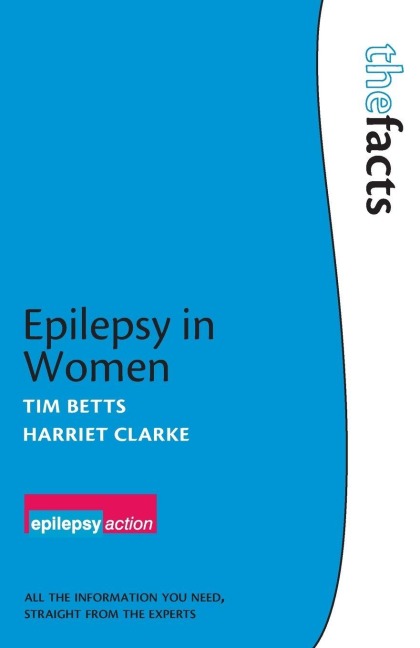
Women with epilepsy have different needs than men with epilepsy, especially at various stages in their life cycle. Epilepsy and its treatment can affect or compromise the menstrual cycle, contraception, fertility and pregnancy, child development in the womb, child care, and menopause. Conversely, the mesntrual cycle, contraception, pregnancy, and menopause can all affet epilepsy and its manaegment. Epilepsy in Women: The Facts adopts the female perspective and describes in detail the special problems that epilepsy can cause. It offers information and practical advice on the symptoms, diagnosis, and management of the different types of epilepsy, providing an invaluable resource that will empower women with the knowledge that they need to take control of their health and to cope with their condition. The book contains numerous case histories, which provide surprising insights into the experiences of women with epilepsy, and 'Myths' and 'Facts' boxes, which help the reader immediately highlight the most important information.
Tim Betts studied at the Birmingham University Medical School, graduating in 1963 with the Foxwell Prize in Clinical Medicine. He spent some time as a Tutorial Scholar in the University of Minnesota before becoming Senior Lecturer in Psychiatry in the University of Birmingham. For many years, he was the clinician in charge of the Birmingham University Seizure Clinic. This clinic developed one of the very few services for women with epilepsy in the UK, especially during pregnancy, with the adjacent Birmingham Maternity Hospital. He was appointed Reader in Neuropsychiatry in 1999 and retired in 2004.
Harriet grew up in Herefordshire and was educated at Hereford Cathedral School. After her A-levels she left home to go travelling with a friend. She taught for 3 months in Ghana and travelled around West Africa, Thailand and Australasia. After travelling, she went to University in Roehampton, London to study Primary Education with English. After graduating in 2006 she went travelling in India, and then studied at International House, London, learning how to teach adults English. She is now a Primary school teacher, and plans to move abroad.
- Part One - 1: What is epilepsy? - 2: The physical causes and emotional triggers of epilepsy - 3: How epilepsy is diagnosed - or should be - 4: So, if it isn't epilepsy, what is it? - 5: The risks of seizures - 6: The management of epilepsy - 7: The drugs in use: Pros and cons - 8: Other treatments, other problems - Part Two - Being a woman, having epilepsy - 9: Being a woman - having epilepsy - 10: Epilepsy and sexuality - 11: Contraception, epilepsy and epilepsy treatment - 12: Epilepsy and fertility - 13: Pre-conception counselling - 14: Pregnancy - 15: Labour, birth and the immediate aftermath - 16: Childcare - 17: The premenopause, the perimenopause, and the menopause - 18: The older woman - 19: Being a woman, having epilepsy: Harriet's story - Appendix 1 Drugs for epilepsy - Appendix 2 Where else to find help and information