Und dann auf "Zum Home-Bildschirm [+]".

Stöbern
genialokal zum Startbildschirm hinzufügen
Installieren Sie die genialokal App auf Ihrem Startbildschirm für einen schnellen Zugriff und eine komfortable Nutzung.
Installieren Sie die genialokal App auf Ihrem Startbildschirm für einen schnellen Zugriff und eine komfortable Nutzung.
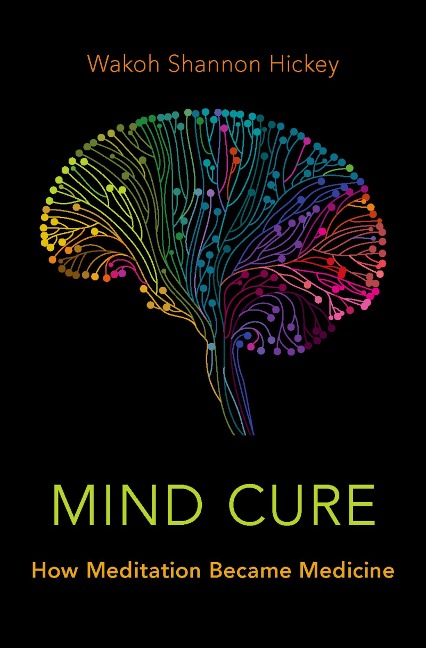
Mindfulness and yoga are widely said to improve mental and physical health, and booming industries have emerged to teach them as secular techniques. This movement is typically traced to the 1970s, but it actually began a century earlier. Wakoh Shannon Hickey shows that most of those who first advocated meditation for healing were women: leaders of the "Mind Cure" movement, which emerged during the late nineteenth and early twentieth centuries. Instructed by Buddhist and Hindu missionaries, many of these women believed that by transforming consciousness, they could also transform oppressive conditions in which they lived. For women - and many African-American men - "Mind Cure" meant not just happiness, but liberation in concrete political, economic, and legal terms.
In response to the perceived threat posed by this movement, white male doctors and clergy with elite academic credentials began to channel key Mind Cure methods into "scientific" psychology and medicine. As mental therapeutics became medicalized and commodified, the religious roots of meditation, like the social-justice agendas of early Mind Curers, fell by the wayside. Although characterized as "universal," mindfulness has very specific historical and cultural roots, and is now largely marketed by and accessible to affluent white people. Hickey examines religious dimensions of the Mindfulness movement and clinical research about its effectiveness. By treating stress-related illness individualistically, she argues, the contemporary movement obscures the roles religious communities can play in fostering civil society and personal wellbeing, and diverts attention from systemic factors fueling stress-related illness, including racism, sexism, and poverty.
Rev. Wakoh Shannon Hickey, Ph.D., is an Associate Professor of Religious Studies at Notre Dame of Maryland University. She grew up in the San Francisco Bay Area and previously worked as a journalist, editor, and corporate trainer. She is also a professional chaplain, a priest of Soto Zen Buddhism, and a certified leader of InterPlay®. She enjoys research, teaching, contemplative practice, interfaith engagement, and flying stunt kites.
Acknowledgements Introduction
Chapter 1: Mysticism, Mesmerism, Mind Cure Chapter 2: Confluences, Divergences, and Flows: Individualist and Communal New Thought Chapter 3: Mind Cure and Meditation: Greenacre and Beyond Chapter 4: Mind Cure Medicalized: The Emmanuel Movement and Its Heirs Chapter 5: Critical Questions: Is Mindfulness Religion? Chapter 6: Critical Questions: Is Mindfulness Effective? Chapter 7: From Mind Cure to Mindfulness: What Got Lost Along the Way
Appendix: Notes on Theory and Methods Notes Bibliography
Dieses eBook wird im PDF-Format geliefert und ist mit einem Adobe Kopierschutz (DRM) versehen. Sie können dieses eBook mit allen Geräten lesen, die das PDF-Format und den Adobe Kopierschutz (DRM) unterstützen.
Zum Beispiel mit den folgenden Geräten:
• tolino Reader
Laden Sie das eBook direkt über den Reader-Shop auf dem tolino herunter oder übertragen Sie das eBook auf Ihren tolino mit einer kostenlosen Software wie beispielsweise Adobe Digital Editions.
• Sony Reader & andere eBook Reader
Laden Sie das eBook direkt über den Reader-Shop herunter oder übertragen Sie das eBook mit der kostenlosen Software Sony READER FOR PC/Mac oder Adobe Digital Editions auf ein Standard-Lesegeräte mit epub- und Adobe DRM-Unterstützung.
• Tablets & Smartphones
Möchten Sie dieses eBook auf Ihrem Smartphone oder Tablet lesen, finden Sie hier unsere kostenlose Lese-App für iPhone/iPad und Android Smartphone/Tablets.
• PC & Mac
Lesen Sie das eBook direkt nach dem Herunterladen mit einer kostenlosen Lesesoftware, beispielsweise Adobe Digital Editions, Sony READER FOR PC/Mac oder direkt über Ihre eBook-Bibliothek in Ihrem Konto unter „Meine eBooks“ - „online lesen“.
Schalten Sie das eBook mit Ihrer persönlichen Adobe ID auf bis zu sechs Geräten gleichzeitig frei.
Bitte beachten Sie, dass die Kindle-Geräte das Format nicht unterstützen und dieses eBook somit nicht auf Kindle-Geräten lesbar ist.