Und dann auf "Zum Home-Bildschirm [+]".

Stöbern
genialokal zum Startbildschirm hinzufügen
Installieren Sie die genialokal App auf Ihrem Startbildschirm für einen schnellen Zugriff und eine komfortable Nutzung.
Installieren Sie die genialokal App auf Ihrem Startbildschirm für einen schnellen Zugriff und eine komfortable Nutzung.
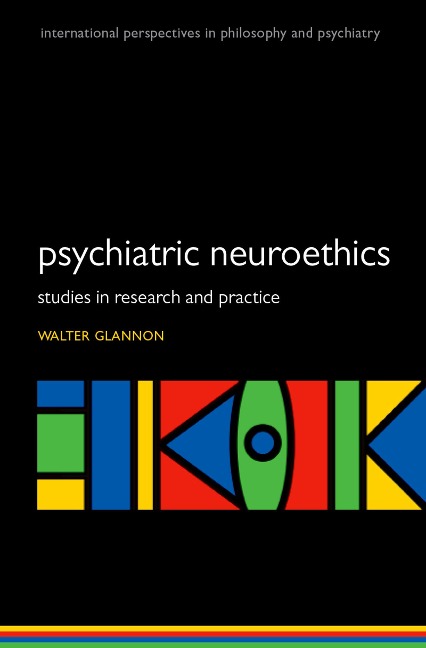
Advances in psychiatric research and clinical psychiatry in the last 30 years have given rise to a host of new questions that lie at the intersection of psychiatry, neuroscience, philosophy and law. Such questions include: -Are psychiatric disorders diseases of the brain, caused by dysfunctional neural circuits and neurotransmitters? -What role do genes, neuro-endocrine, neuro-immune interactions and the environment play in the development of these disorders? -How do different explanations of the etiology and pathophysiology of mental illness influence diagnosis, prognosis and decisions about treatment? -Would it be rational for a person with a chronic treatment-resistant disorder to request euthanasia or assisted suicide to end their suffering? -Could psychiatric disorders be predicted and prevented? Psychiatric Neuroethics explores these questions in a comprehensive and systematic way, discussing the medical and philosophical implications of neuroscience and the Research Domain Criteria (RDoc) in the fields of psychiatry and mental health. It examines the extent to which circuit-based criteria can offer a satisfactory explanation of psychiatric disorders and how they compare with the symptom-based criteria of the Diagnostic and Statistical Manual of Mental Disorders (DSMV). This book will be of interest to a multidisciplinary audience, including psychiatrists, neurologists, neurosurgeons, philosophers, psychologists and legal theorists.
Walter Glannon is Professor of Philosophy at the University of Calgary. He received his PhD in Philosophy from Yale University. His research interests lie primarily in the areas of free will, moral and legal responsibility, transplantation ethics and neuroethics.
- Introduction - 1: A Paradigm for Psychiatry - 2: Disorders of Consciousness, Memory and Will - 3: Treating Psychiatric Disorders: Less Invasive and Non-Invasive Interventions - 4: Psychiatric Neurosurgery - 5: Neuromodulation: Control, Identity and Justice - 6: Intervening in the Psychopath's Brain - 7: Euthanasia and Assisted Suicide for Psychiatric Disorders - 8: Prediction and Prevention - Epilogue: Psychiatry, Neuroscience, Philosophy
Dieses eBook wird im PDF-Format geliefert und ist mit einem Adobe Kopierschutz (DRM) versehen. Sie können dieses eBook mit allen Geräten lesen, die das PDF-Format und den Adobe Kopierschutz (DRM) unterstützen.
Zum Beispiel mit den folgenden Geräten:
• tolino Reader
Laden Sie das eBook direkt über den Reader-Shop auf dem tolino herunter oder übertragen Sie das eBook auf Ihren tolino mit einer kostenlosen Software wie beispielsweise Adobe Digital Editions.
• Sony Reader & andere eBook Reader
Laden Sie das eBook direkt über den Reader-Shop herunter oder übertragen Sie das eBook mit der kostenlosen Software Sony READER FOR PC/Mac oder Adobe Digital Editions auf ein Standard-Lesegeräte mit epub- und Adobe DRM-Unterstützung.
• Tablets & Smartphones
Möchten Sie dieses eBook auf Ihrem Smartphone oder Tablet lesen, finden Sie hier unsere kostenlose Lese-App für iPhone/iPad und Android Smartphone/Tablets.
• PC & Mac
Lesen Sie das eBook direkt nach dem Herunterladen mit einer kostenlosen Lesesoftware, beispielsweise Adobe Digital Editions, Sony READER FOR PC/Mac oder direkt über Ihre eBook-Bibliothek in Ihrem Konto unter „Meine eBooks“ - „online lesen“.
Schalten Sie das eBook mit Ihrer persönlichen Adobe ID auf bis zu sechs Geräten gleichzeitig frei.
Bitte beachten Sie, dass die Kindle-Geräte das Format nicht unterstützen und dieses eBook somit nicht auf Kindle-Geräten lesbar ist.