Und dann auf "Zum Home-Bildschirm [+]".

Stöbern
genialokal zum Startbildschirm hinzufügen
Installieren Sie die genialokal App auf Ihrem Startbildschirm für einen schnellen Zugriff und eine komfortable Nutzung.
Installieren Sie die genialokal App auf Ihrem Startbildschirm für einen schnellen Zugriff und eine komfortable Nutzung.
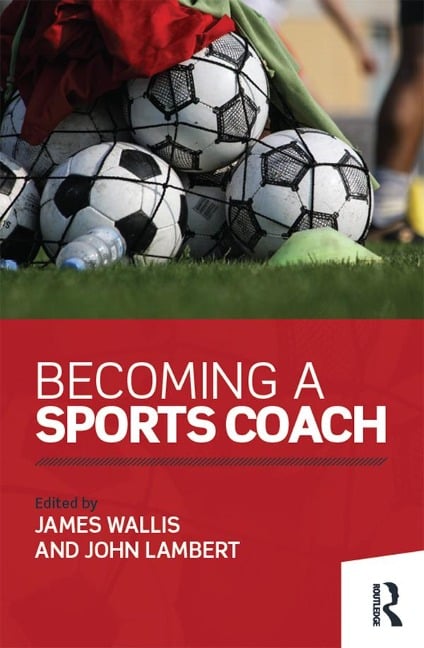
A 'coach' is more than just somebody who leads in the organisation and delivery of structured sport. The role of a coach goes beyond leadership, requiring an understanding of theories of teaching and learning. To become a coach you must know how people learn. Becoming a Sports Coach aims to introduce the multi-dimensional and inter-locking knowledge bases that any aspiring coach will need to develop, and that any established coach needs to master in order to improve their professional practice. While traditional coach education pathways have focused on what to coach, this book argues that understanding how knowledge can be communicated to learners is just as important. Asking why we coach, through critical reflection and self-knowledge, is also an essential part of the process of becoming a sports coach. The book explores three types of knowledge - content knowledge, pedagogic knowledge and self-knowledge - challenging the reader to reflect on their own coaching experiences and to develop a personal philosophy of coaching. It explores key pedagogic themes in contemporary coaching studies, such as humanistic coaching, inclusive practice, coaching for understanding, and the athlete-coach relationship. Real case studies are used to illuminate the ways - transferrable across sports - in which coaches can apply theory to practice and ultimately enhance their work. With contributions from leading coaching researchers and practitioners, combining practical guidance with important theoretical insights, this book will help any coaching student or developing professional to better understand the journey to becoming an effective sports coach.
James Wallis is a Principal Lecturer in Sport Coaching and Physical Education at the University of Brighton, UK, where he is course leader of the BSc (Hons) Sport Coaching programme. He has extensive applied experience in coaching and coach education in both performance and sport for development contexts. He is currently contributing to coach education in professional cricket John Lambert is a Principal Lecturer in Sport Coaching and Physical Education at the School of Sport and Service Management, University of Brighton, UK. He is a UEFA A licence football coach and works in the match analysis and talent identification department of a Premier League football club. He has been engaged in coaching and coach education for many years, including tutoring FA courses. John is Visiting Lecturer at the German Sport University, Cologne, and has worked on a major international sport for development project for over ten years. He is co-editor of Values in Youth Sport and Physical Education (Routledge, 2014)
Introduction Section 1: 'Why' You Coach the Way You Do 1. Learning to Learn; The coach as a reflective practitioner 2. Philosophy of Practice and Practice Conflict: Coaching dilemmas and the performance spectrum 3. Moral Issues in Sport Coaching 4. The Political Context for Coaching Section 2: 'How' to Add Value to Your Coaching 5. Inclusive Practice in Sport Coaching 6. Humanistic Coaching 7. Coaching for Understanding 8. Toward Quality not Quantity in Sport Motivation 9. Coach Athlete Relationship: A case study of women's elite tennis Section 3: 'What' to Coach: Building on technical knowledge 10. Integrating and Applying Knowledge of Sport Science: 'Pulling it all together' through a case study of British Cycling 11. Embedding Knowledge of Sport Psychology: Case studies within professional cricket 12. A Values-based Approach to Coaching Within Sport for Development Programmes 13. Identifying and Developing Elite Performers: Some key considerations from a coach's perspective 14. Plenary, Concluding Thoughts and Future Directions
Dieses eBook wird im PDF-Format geliefert und ist mit einem Adobe Kopierschutz (DRM) versehen. Sie können dieses eBook mit allen Geräten lesen, die das PDF-Format und den Adobe Kopierschutz (DRM) unterstützen.
Zum Beispiel mit den folgenden Geräten:
• tolino Reader
Laden Sie das eBook direkt über den Reader-Shop auf dem tolino herunter oder übertragen Sie das eBook auf Ihren tolino mit einer kostenlosen Software wie beispielsweise Adobe Digital Editions.
• Sony Reader & andere eBook Reader
Laden Sie das eBook direkt über den Reader-Shop herunter oder übertragen Sie das eBook mit der kostenlosen Software Sony READER FOR PC/Mac oder Adobe Digital Editions auf ein Standard-Lesegeräte mit epub- und Adobe DRM-Unterstützung.
• Tablets & Smartphones
Möchten Sie dieses eBook auf Ihrem Smartphone oder Tablet lesen, finden Sie hier unsere kostenlose Lese-App für iPhone/iPad und Android Smartphone/Tablets.
• PC & Mac
Lesen Sie das eBook direkt nach dem Herunterladen mit einer kostenlosen Lesesoftware, beispielsweise Adobe Digital Editions, Sony READER FOR PC/Mac oder direkt über Ihre eBook-Bibliothek in Ihrem Konto unter „Meine eBooks“ - „online lesen“.
Schalten Sie das eBook mit Ihrer persönlichen Adobe ID auf bis zu sechs Geräten gleichzeitig frei.
Bitte beachten Sie, dass die Kindle-Geräte das Format nicht unterstützen und dieses eBook somit nicht auf Kindle-Geräten lesbar ist.