Und dann auf "Zum Home-Bildschirm [+]".

Stöbern
genialokal zum Startbildschirm hinzufügen
Installieren Sie die genialokal App auf Ihrem Startbildschirm für einen schnellen Zugriff und eine komfortable Nutzung.
Installieren Sie die genialokal App auf Ihrem Startbildschirm für einen schnellen Zugriff und eine komfortable Nutzung.


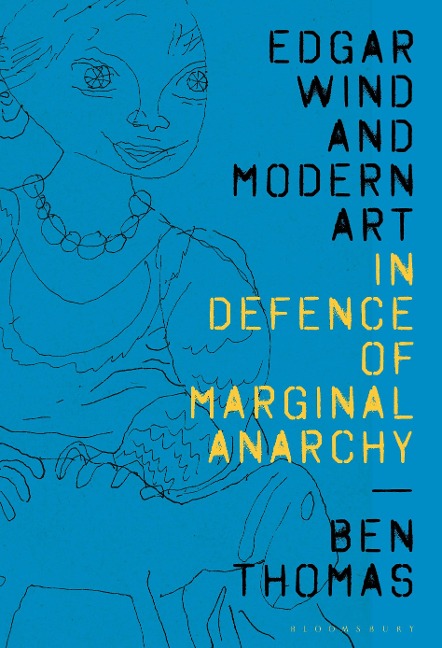
This book presents the first comprehensive study of the philosopher and art historian Edgar Wind's critique of modern art. The first student of Erwin Panofsky, and a close associate of Aby Warburg, Edgar Wind was unusual among the 'Warburgians' for his sustained interest in modern art, together with his support for contemporary artists. This culminated in his respected and influential book Art and Anarchy (1963), which seemed like a departure from his usual scholarly work on the iconography of Renaissance art. Based on extensive archival research and bringing to light previously unpublished lectures, Edgar Wind and Modern Art reveals the extent and seriousness of Wind's thinking about modern art, and how it was bound up with theories about art and knowledge that he had developed during the 1920s and 30s. Wind's ideas are placed in the context of a closely connected international cultural milieu consisting of some of the leading artists and thinkers of the twentieth century. In particular, the book discusses in detail his friendships with three significant artists: Pavel Tchelitchew, Ben Shahn and R. B. Kitaj. In the process, the existence of an alternative to the prevailing formalist approach of Alfred Barr and Clement Greenberg to modern art, based on the enduring importance of the symbol, is revealed.
Ben Thomas
List of Illustrations
Preface and Acknowledgements
1. In Defence of Marginal Anarchy Edgar Wind (1900-1971)
2. Art and Anarchy The Polarity of the Symbol Holy Fear Experiment and Metaphysics
3. The Tradition of Symbols in Modern Art The Heritage of Baudelaire History of the Monster Picasso and the Atavism of the Mask Religious and Scientific Fallacies - 'Our Present Discontents'
4. 'Cher Magus' - Pavel Tchelitchew Cathedrals of Art 'You really are a magician.' The Feast of the Gods Monstrous Phenomena Method and Microcosm in Leonardo da Vinci Tchelitchew and Leonardo
5. 'The Muses' sterner laws' - W. H. Auden and Ben Shahn The Irresponsibles The Critical Nature of a Work of Art Masterpieces of the Twentieth Century Klee and Candide Seven Moral Paintings Art and Morals The Truest Poetry is the Most Feigning The Shape of Content
6. 'Certain Forms of Association Neglected Before' - R. B. Kitaj The Fallacy of Pure Art The Book as Symbol Rosa Luxemburg as Pathosformel Warburg as Maenad - the reconciliation of opposites If Not, Not
Conclusion
Select Bibliography
Index