Und dann auf "Zum Home-Bildschirm [+]".

Stöbern
genialokal zum Startbildschirm hinzufügen
Installieren Sie die genialokal App auf Ihrem Startbildschirm für einen schnellen Zugriff und eine komfortable Nutzung.
Installieren Sie die genialokal App auf Ihrem Startbildschirm für einen schnellen Zugriff und eine komfortable Nutzung.

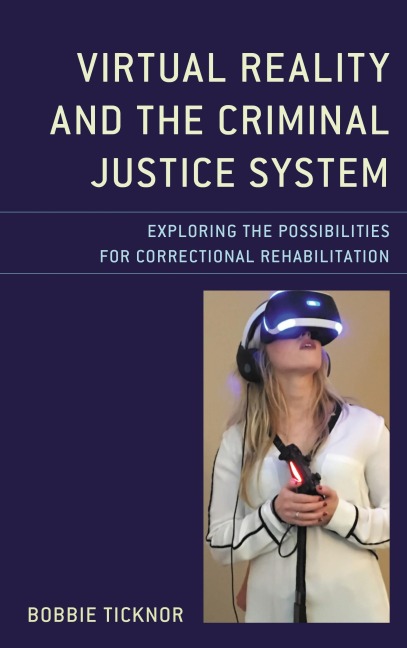
Virtual Reality (VR) is becoming a popular technology for gaming and entertainment; however, researchers and scientists have used the technology for decades to develop real world solutions. The criminal justice system has used VR primarily for weapons training and forensic investigation but its uses are expanding. This book discusses how the technology can be used for correctional rehabilitation. Specifically, the book explores how cognitive behavior therapy, a widely used therapeutic technique used to treat offenders, can be improved using VR. Offenders can learn new skills, role play, and practice what they've learned in a safe, controlled environment that mimics situations they may find when back in the community. Additionally, those without access to services can use the technology to attend virtual groups offered by trained facilitators no matter where they live. With current limitations on resources, VR can offer criminal justice practitioners another option for offender rehabilitation.
Bobbie Ticknor is assistant professor of criminal justice at Valdosta State University.
Part 1: What Is Virtual Reality and How Has It Been Used?
Introduction: Defining Virtual Reality
1. Current Uses of Virtual Reality
2. Current Uses of VR in Criminal Justice
Part 2: VR and Correctional Rehabilitation
3. Virtual Reality and Offender Assessment
4. Virtual Reality and Offender Treatment
5. Implementation
Conclusion: Final Considerations