Und dann auf "Zum Home-Bildschirm [+]".

Stöbern
genialokal zum Startbildschirm hinzufügen
Installieren Sie die genialokal App auf Ihrem Startbildschirm für einen schnellen Zugriff und eine komfortable Nutzung.
Installieren Sie die genialokal App auf Ihrem Startbildschirm für einen schnellen Zugriff und eine komfortable Nutzung.
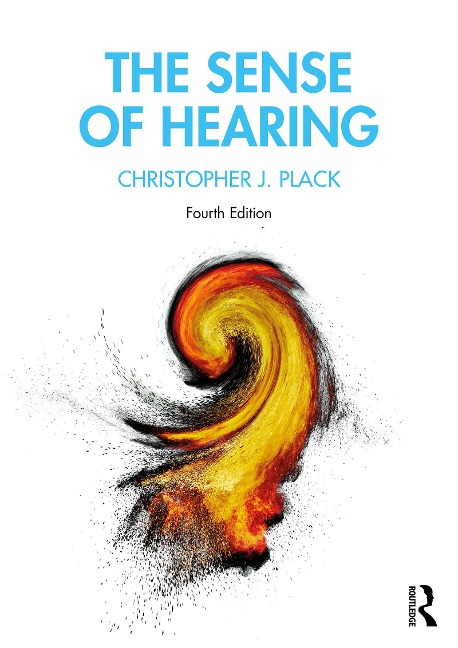
The Sense of Hearing is a highly accessible introduction to auditory perception, addressing the fundamental aspects of hearing. This fourth edition has been revised to include up-to-date research and references. In particular, Chapter 7 on Pitch and Periodicity Coding and Chapter 13 on Hearing Loss include new material to reflect the fast pace of research in these areas. The book introduces the nature of sound and the spectrum, and the anatomy and physiology of the auditory system, before discussing basic auditory processes such as frequency selectivity, loudness and pitch perception, temporal resolution, and sound localization. Subsequent chapters show how complex processes such as perceptual organization, speech perception, and music perception are dependent on the initial analysis that occurs when sounds enter the ear. The book concludes with a description of the physiological bases and perceptual consequences of hearing loss, as well as the latest diagnostic techniques and management options that are available. Featuring student-friendly resources, including an overview of research techniques, an extensive glossary of technical terms, and over 150 original illustrations, The Sense of Hearing offers a clear introduction and an essential resource for students in the fields of audiology and sound perception.
Christopher J. Plack is Ellis Llwyd Jones Professor of Audiology at the University of Manchester, UK, and Professor of Auditory Neuroscience at Lancaster University, UK. He has published over 140 peer-reviewed journal articles, 15 book chapters, and two edited volumes. In 2003, he was elected a Fellow of the Acoustical Society of America.
Preface 1. Introduction 2.The Nature of Sound 3. Production, Propagation, and Processing 4. A Journey through the Auditory System 5. Frequency Selectivity 6. Loudness and Intensity Coding 7. Pitch and Periodicity Coding 8. Hearing over Time 9. Spatial Hearing 10. The Auditory Scene 11. Speech 12. Music 13. Hearing Loss 14. Concluding Remarks. Appendix: Researching the Ear
Dieses eBook wird im PDF-Format geliefert und ist mit einem Adobe Kopierschutz (DRM) versehen. Sie können dieses eBook mit allen Geräten lesen, die das PDF-Format und den Adobe Kopierschutz (DRM) unterstützen.
Zum Beispiel mit den folgenden Geräten:
• tolino Reader
Laden Sie das eBook direkt über den Reader-Shop auf dem tolino herunter oder übertragen Sie das eBook auf Ihren tolino mit einer kostenlosen Software wie beispielsweise Adobe Digital Editions.
• Sony Reader & andere eBook Reader
Laden Sie das eBook direkt über den Reader-Shop herunter oder übertragen Sie das eBook mit der kostenlosen Software Sony READER FOR PC/Mac oder Adobe Digital Editions auf ein Standard-Lesegeräte mit epub- und Adobe DRM-Unterstützung.
• Tablets & Smartphones
Möchten Sie dieses eBook auf Ihrem Smartphone oder Tablet lesen, finden Sie hier unsere kostenlose Lese-App für iPhone/iPad und Android Smartphone/Tablets.
• PC & Mac
Lesen Sie das eBook direkt nach dem Herunterladen mit einer kostenlosen Lesesoftware, beispielsweise Adobe Digital Editions, Sony READER FOR PC/Mac oder direkt über Ihre eBook-Bibliothek in Ihrem Konto unter „Meine eBooks“ - „online lesen“.
Schalten Sie das eBook mit Ihrer persönlichen Adobe ID auf bis zu sechs Geräten gleichzeitig frei.
Bitte beachten Sie, dass die Kindle-Geräte das Format nicht unterstützen und dieses eBook somit nicht auf Kindle-Geräten lesbar ist.