Und dann auf "Zum Home-Bildschirm [+]".

Stöbern
genialokal zum Startbildschirm hinzufügen
Installieren Sie die genialokal App auf Ihrem Startbildschirm für einen schnellen Zugriff und eine komfortable Nutzung.
Installieren Sie die genialokal App auf Ihrem Startbildschirm für einen schnellen Zugriff und eine komfortable Nutzung.
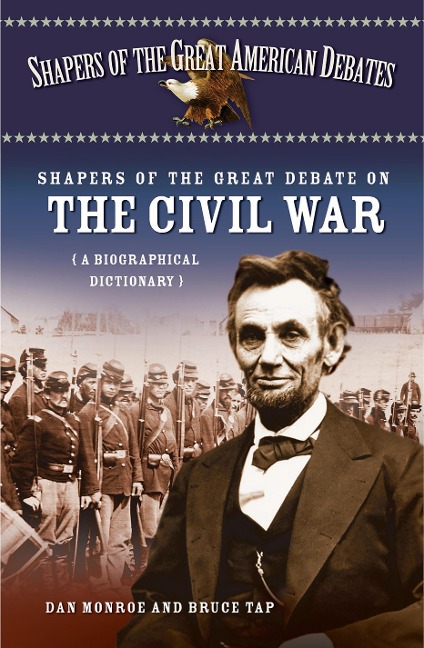
With the conclusion of the Mexican War in 1848, the United States seemed poised to fulfill the manifest destiny that was on the lips of journalists and politicians. Yet, even before the war was over, tensions over the issue of slavery erupted. Slavery symbolized the social, cultural, constitutional, and economic differences that were dividing the North and South. Through four years of bloody civil war and the loss of over 600,000 lives, the American republic decided the fate of slavery, asserted the supremacy of the federal government over state authority, and began to grapple with the difficult issues of reconstruction. This work provides substantial biographical entries of 20 individuals who shaped and defined the debates during the Civil War period. Political and military figures, such as Abraham Lincoln and Robert E. Lee, writers such as Harriet Beecher Stowe, and abolitionist reformers, such as Frederick Douglass and George Fitzhugh, are included. With the conclusion of the Mexican War in 1848, the United States seemed poised to fulfill the manifest destiny that was on the lips of journalists and politicians. Yet, even before the war was over, tensions over the issue of slavery erupted. Slavery symbolized the social, cultural, constitutional, and economic differences that were dividing the North and South. Through four years of bloody civil war and the loss of over 600,000 lives, the American republic decided the fate of slavery, asserted the supremacy of the federal government over state authority, and began to grapple with the difficult issues of reconstruction. This work provides substantial biographical entries of 20 individuals who shaped and defined the debates during the Civil War period. Political and military figures, such as Abraham Lincoln and Robert E. Lee, writers such as Harriet Beecher Stowe, and abolitionist reformers, such as Frederick Douglass and George Fitzhugh, are included. Each biography provides a concise account of the subject's life, followed by an analysis of the figure's role and contribution to the central issues of the day, and concludes with a bibliography of secondary and primary sources available to students. An appendix of over 180 additional biographies highlights the lives of others who played a role in the debates of the Civil War.
Dan Monroe is the author of The Republican Vision of John Tyler and At Home with Illinois Governors: A Social History of the Illinois Executive Mansion. Bruce Tap is an independent historian who is the author of Over Lincoln's Shoulder: The Committee on the Conduct of the War, which was selected as a Choice Outstanding Academic Book. He has also published in Civil War History, Journal of the Abraham Lincoln Association, Illinois Historical Journal, and American Nineteenth Century History.
Introduction: What were the Great Debates?
The Bloody Career of John Brown
Too Late to the Prize: James Buchanan
Freedom National: The Life of Salmon Chase
The Stubborn Resolve of Jefferson Davis
"Let the Voice of the People Rule": Stephen A. Douglas
From Slavery to Freedom: Frederick Douglass and the Struggle for Equality
The Fear of Freedom: George Fitzhugh and the Pro-Slavery Argument
The Eccentric Genius of Horace Greeley
Andrew Johnson and the Challenge of Impeachment
Abraham Lincoln and the House Divided
Duty and Stoicism: Robert E. Lee
The Young Napoleon: George Brinton McClellan
The Triumphs and Contradictions of William H. Seward
Alexander Stephens: Diminutive Whig Statesman
Thaddeus Stevens: Radical of Radicals
Literary Soldier in a Noble Cause: Harriet Beecher Stowe
Charles Sumner and the Struggle for Equality
Clement Laird Vallandigham: Leader of a "Respectable Minority."
Submission or Secession: The Tragic Career of William Lowndes Yancey
Short Biographies
Dieses eBook wird im PDF-Format geliefert und ist mit einem Adobe Kopierschutz (DRM) versehen. Sie können dieses eBook mit allen Geräten lesen, die das PDF-Format und den Adobe Kopierschutz (DRM) unterstützen.
Zum Beispiel mit den folgenden Geräten:
• tolino Reader
Laden Sie das eBook direkt über den Reader-Shop auf dem tolino herunter oder übertragen Sie das eBook auf Ihren tolino mit einer kostenlosen Software wie beispielsweise Adobe Digital Editions.
• Sony Reader & andere eBook Reader
Laden Sie das eBook direkt über den Reader-Shop herunter oder übertragen Sie das eBook mit der kostenlosen Software Sony READER FOR PC/Mac oder Adobe Digital Editions auf ein Standard-Lesegeräte mit epub- und Adobe DRM-Unterstützung.
• Tablets & Smartphones
Möchten Sie dieses eBook auf Ihrem Smartphone oder Tablet lesen, finden Sie hier unsere kostenlose Lese-App für iPhone/iPad und Android Smartphone/Tablets.
• PC & Mac
Lesen Sie das eBook direkt nach dem Herunterladen mit einer kostenlosen Lesesoftware, beispielsweise Adobe Digital Editions, Sony READER FOR PC/Mac oder direkt über Ihre eBook-Bibliothek in Ihrem Konto unter „Meine eBooks“ - „online lesen“.
Schalten Sie das eBook mit Ihrer persönlichen Adobe ID auf bis zu sechs Geräten gleichzeitig frei.
Bitte beachten Sie, dass die Kindle-Geräte das Format nicht unterstützen und dieses eBook somit nicht auf Kindle-Geräten lesbar ist.