Und dann auf "Zum Home-Bildschirm [+]".

Stöbern
genialokal zum Startbildschirm hinzufügen
Installieren Sie die genialokal App auf Ihrem Startbildschirm für einen schnellen Zugriff und eine komfortable Nutzung.
Installieren Sie die genialokal App auf Ihrem Startbildschirm für einen schnellen Zugriff und eine komfortable Nutzung.
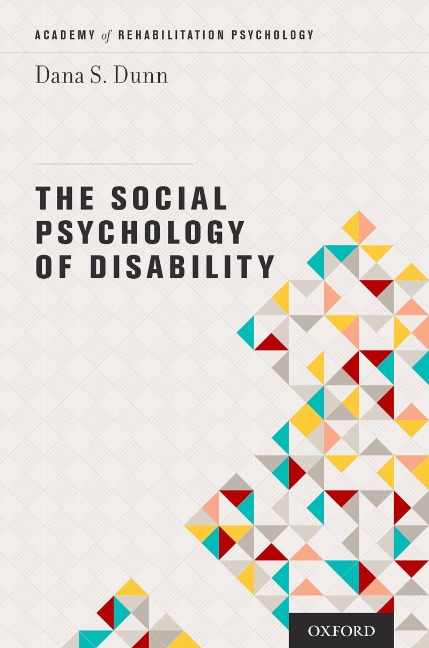
This is the first book to systematically review, update, organize, and critique the literature on the social psychology of disability in 30 years. The book gives pride of place to classic as well as contemporary concepts from the social psychology of disability and rehabilitation psychology that researchers and clinicians can use or adapt for their professional venues. The book's overarching message is an important one: The experience of most people with disabilities is not what nondisabled persons anticipate--contrary to the latter's beliefs and expectations, the former can lead full and normal lives. Thus, The Social Psychology of Disability is designed to counter stereotypical or biased perspectives aimed at an often overlooked minority group. The primary audience for the book is rehabilitation researchers and clinicians in psychology and allied fields (e.g., social work, nursing). A secondary audience includes policy makers and graduate students in rehabilitation and clinical psychology, as well as interested undergraduates.
Dana S. Dunn is Professor of Psychology and Assistant Dean for Special Projects at Moravian College. A social psychologist by training, his scholarship examines teaching, learning, and liberal education as well as the social psychology of disability. He received the Charles L. Brewer Award for Distinguished Teaching of Psychology from the American Psychological Foundation in 2013.
Preface
Chapter 1 - Overview: The Social Psychology of Disability Chapter 2 - Fundamental Psychosocial Concepts for Understanding Disability Chapter 3 - Challenges: Stigma, Stereotyping, and Disability Chapter 4 - Attitudes Toward People with Disabilities Chapter 5 - Coping with and Adjusting to Disability Chapter 6 - Towards an Understanding of Disability Identity Chapter 7 - A Positive Psychology of Disability and Rehabilitation Chapter 8 - The Ecology of Disability
References Index
Dieses eBook wird im PDF-Format geliefert und ist mit einem Adobe Kopierschutz (DRM) versehen. Sie können dieses eBook mit allen Geräten lesen, die das PDF-Format und den Adobe Kopierschutz (DRM) unterstützen.
Zum Beispiel mit den folgenden Geräten:
• tolino Reader
Laden Sie das eBook direkt über den Reader-Shop auf dem tolino herunter oder übertragen Sie das eBook auf Ihren tolino mit einer kostenlosen Software wie beispielsweise Adobe Digital Editions.
• Sony Reader & andere eBook Reader
Laden Sie das eBook direkt über den Reader-Shop herunter oder übertragen Sie das eBook mit der kostenlosen Software Sony READER FOR PC/Mac oder Adobe Digital Editions auf ein Standard-Lesegeräte mit epub- und Adobe DRM-Unterstützung.
• Tablets & Smartphones
Möchten Sie dieses eBook auf Ihrem Smartphone oder Tablet lesen, finden Sie hier unsere kostenlose Lese-App für iPhone/iPad und Android Smartphone/Tablets.
• PC & Mac
Lesen Sie das eBook direkt nach dem Herunterladen mit einer kostenlosen Lesesoftware, beispielsweise Adobe Digital Editions, Sony READER FOR PC/Mac oder direkt über Ihre eBook-Bibliothek in Ihrem Konto unter „Meine eBooks“ - „online lesen“.
Schalten Sie das eBook mit Ihrer persönlichen Adobe ID auf bis zu sechs Geräten gleichzeitig frei.
Bitte beachten Sie, dass die Kindle-Geräte das Format nicht unterstützen und dieses eBook somit nicht auf Kindle-Geräten lesbar ist.