Und dann auf "Zum Home-Bildschirm [+]".

Stöbern
genialokal zum Startbildschirm hinzufügen
Installieren Sie die genialokal App auf Ihrem Startbildschirm für einen schnellen Zugriff und eine komfortable Nutzung.
Installieren Sie die genialokal App auf Ihrem Startbildschirm für einen schnellen Zugriff und eine komfortable Nutzung.

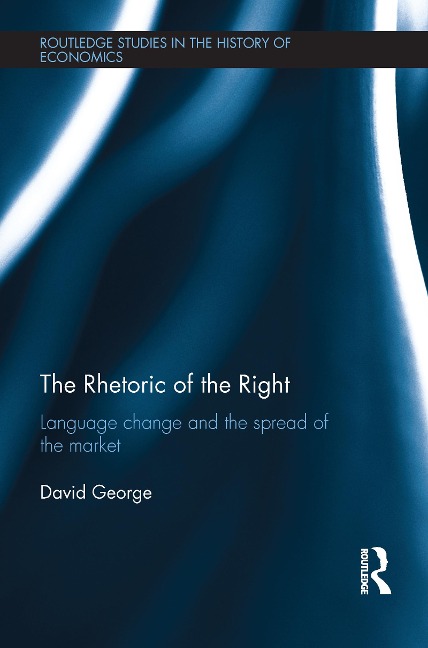

This study seeks to demonstrate the subtle ways in which changes in the language associated with economic issues are reflective of a gradual but quantifiable conservative ideological shift. In this rigorous analysis, David George uses as his data a century of word usage within The New York Times, starting in 1900. It is not always obvious how the changes identified necessarily reflect a stronger prejudice toward laissez-faire free market capitalism, and so much of the book seeks to demonstrate the subtle ways in which the changing language indeed carries with it a political message. This analysis is made through exploration of five major areas of focus: "economics rhetoric" scholarship and the growing "behavioral economics" school of thought; the discourse of government and taxation; the changing meaning of "competition," and "competitive"; changing attitudes toward labor; and the celebration of growth relative to the decline in attention to economic justice and social equality.
David George is Professor of Economics at La Salle University, USA.
1. Introduction 2. Markets over Governments 3. Competition over Cooperation and Monopoly 4. Consumers over Citizens 5. Management over Labor 6. Growth over Progress, Justice, and Equality 7. Conclusion