Und dann auf "Zum Home-Bildschirm [+]".

Stöbern
genialokal zum Startbildschirm hinzufügen
Installieren Sie die genialokal App auf Ihrem Startbildschirm für einen schnellen Zugriff und eine komfortable Nutzung.
Installieren Sie die genialokal App auf Ihrem Startbildschirm für einen schnellen Zugriff und eine komfortable Nutzung.

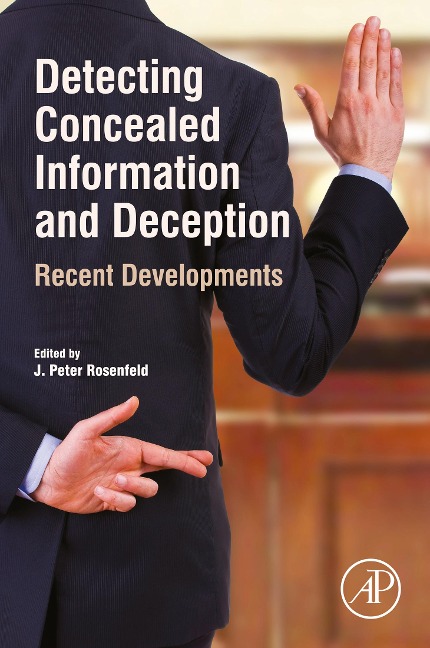
Detecting Concealed Information and Deception: Recent Developments assembles contributions from the world's leading experts on all aspects of concealed information detection. This reference examines an array of different methods-behavioral, verbal interview and physiological-of detecting concealed information. Chapters from leading legal authorities address how to make use of detected information for present and future legal purposes. With a theoretical and empirical foundation, the book also covers new human interviewing techniques, including the highly influential Implicit Association Test among others.
- Presents research from Concealed Information Test (CIT) studies
- Explores the legal implications and admissibility of the CIT
- Covers EEG, event-related brain potentials (ERP) and autonomic detection measures
- Reviews multiple verbal lie detection tools
- Discusses ocular movements during deception and evasion
- Identifies how to perceive malicious intentions
- Explores personality dimensions associated with deception, including religion, age and gender
Section 1 - Background, History, and Theory1. Physiological Measures in the Detection of Deception and Concealed Information2. Concealed Information Test: Theoretical Background3. The External Validity of Studies Examining the Detection of Concealed Knowledge, Using the Concealed Information Test (CIT)4. Physiological Responses in the Concealed Information Test: A Selective Review in the Light of Recognition and Concealment5. Field Inventions and Findings of the Concealed Information Test in Japan Section 2 - Neuroscience Applications6. Effects of Motivational Manipulations on the P300-based Complex Trial Protocol for Concealed Information Detection7. Detecting Deception and Concealed Information with Neuroimaging Section 3 - Ocular Applications8. Detecting Concealed Knowledge from Ocular Responses9. Ocular-Motor Deception Test Section 4 - Behavioral Applications10. Deception Detection with Behavioral Methods: The Autobiographical Implicit Association Test (aIAT), CIT-RT, Mouse Dynamics and Keystroke Dynamics11. Challenges for the Application of Reaction Time-based Deception Detection Methods Section 5 - Verbal and Interviewing Applications12. How to Interview to Elicit Concealed Information: Introducing the Shift-of-Strategy (SoS) Approach13. Verbal Lie Detection Tools from an Applied Perspective14. The Applicability of the Verifiability Approach to the Real World Section 6 - Special Issues15. Personality, Demographic, and Psychophysiological Correlates of People's Self-Assessed Lying Abilities16. Detecting Concealed Information on a Large Scale: Possibilities and Problems17. Admissibility and Constitutional Issues of the Concealed Information Test in American Courts: An Update