Und dann auf "Zum Home-Bildschirm [+]".

Stöbern
genialokal zum Startbildschirm hinzufügen
Installieren Sie die genialokal App auf Ihrem Startbildschirm für einen schnellen Zugriff und eine komfortable Nutzung.
Installieren Sie die genialokal App auf Ihrem Startbildschirm für einen schnellen Zugriff und eine komfortable Nutzung.

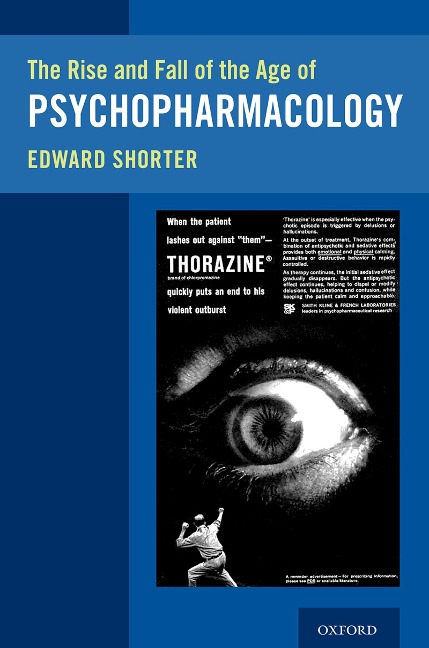
The Age of Psychopharmacology began with a brilliant rise in the 1950s, when for the first time science entered the study of drugs that affect the brain and mind. But, esteemed historian Edward Shorter argues that there has been a recent fall, as the field has seen its drug offerings impoverished and its diagnoses distorted by the "Diagnostic and Statistical Manual of Mental Disorders." The new drugs, such as Prozac, have been less effective than the old. The new diagnoses, such as "major depression," have strayed increasingly from the real disorders of most patients. Behind this disaster has been the invasion of the field by the pharmaceutical industry. This invasion has paid off commercially but not scientifically: There have been no new classes of psychiatry drugs in the last thirty years. Given that psychiatry's diagnoses and therapeutics have largely failed, the field has greatly declined from earlier days. Based on extensive research discovered in litigation, Shorter provides a historical perspective of change and decline over time, concluding that the story of the psychopharmacology is a story of a public health disaster.
Edward Shorter Professor of Psychiatry, Professor of the History of Medicine, Faculty of Medicine, University of Toronto
Preface
PART I: GETTING GOING Ch 1. Introduction Ch 2. Before Psychopharmacology Ch 3. The Rise of Psychopharmacology Ch 4. Things Get Rolling Ch 5. Depression and Schizophrenia Ch 6. Industry: Early Days
PART II: WORSENING Ch 7. DSM Ch 8. Science Ch 9. KOLs Ch 10. Trials Begin Ch 11. Trials: Fantasy Patients for Fantasy Diseases Ch 12. Trials: Industry Takes Over Ch 13. Marketing Ch 14. Journals Ch 15. FDA
PART III: SCIENCE DISASTER Ch 16. Prozac and Its Cousins Ch 17. Sally Ch 18. Atypicals Ch 19. TMAP Ch 20. Fall of Psychopharmacology Ch 21. Conclusion Acknowledgments