Und dann auf "Zum Home-Bildschirm [+]".

Stöbern
genialokal zum Startbildschirm hinzufügen
Installieren Sie die genialokal App auf Ihrem Startbildschirm für einen schnellen Zugriff und eine komfortable Nutzung.
Installieren Sie die genialokal App auf Ihrem Startbildschirm für einen schnellen Zugriff und eine komfortable Nutzung.
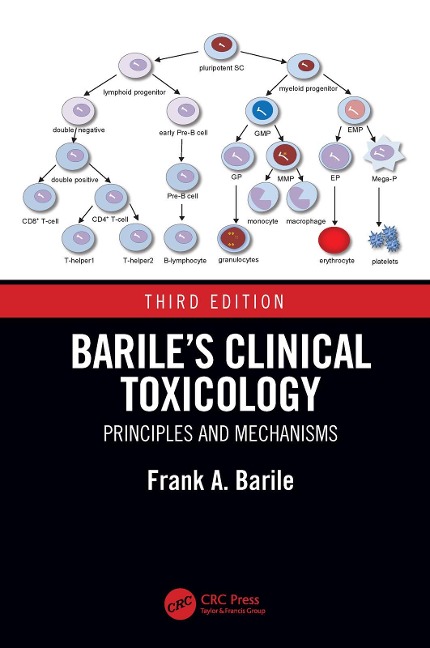
As with the two previous editions, Barile's Clinical Toxicology: Principles and Mechanisms, Third edition, examines the complex interactions associated with clinical toxicological events as a result of therapeutic drug administration or chemical exposure. With special emphasis placed on signs and symptoms of diseases and pathology caused by toxins and clinical drugs, the new edition, examines the complex interactions associated with clinical toxicological events as a result of therapeutic drug administration or chemical exposure. The new edition presents the latest, up-to-date protocols for managing various toxic ingestions, and the antidotes and treatments associated with their pathology. In addition, the effect of toxins on a limited number of body systems and drug-induced adverse drug reactions are also covered. KEY FEATURES . Discusses source of the drug or chemical, pharmacological and toxicological mechanisms of action, detection, identification, and treatment . Examines the complex interactions associated with clinical toxicological events . Emphasizes the signs and symptoms of diseases and pathology caused by toxins and clinical drugs . Covers effect of toxins on body systems and drug-induced adverse reactions . Offers a unique perspective for toxicology, pharmacology, pharmacy and health professions students The target audience for this book is undergraduate and graduate toxicology students, clinical pharmacy (Pharm.D.) students, emergency medical personnel, regulatory agencies, and other related health science professionals. It satisfies an essential need for a concise yet detailed authoritative, fundamental text addressing the current principles of clinical toxicology.
Frank A. Barile, PhD, is Professor in the Toxicology Division and past chairman of the Department of Pharmaceutical Sciences, St. John's University College of Pharmacy and Health Sciences, New York. Dr. Barile received his BS in Pharmacy, MS in Pharmacology, and PhD in Toxicology at St. John's University. After doing a postdoctoral fellowship in Pulmonary Pediatrics at the Albert Einstein College of Medicine, Bronx, NY, he moved to the Department of Pathology, Columbia University-St. Luke's Roosevelt Hospital, NY, as a research associate. In these positions, he investigated the role of pulmonary toxicants in collagen metabolism in cultured lung cells. In 1984, he was appointed assistant professor in the Department of Health Sciences at City University of NY. Sixteen years later, he rejoined St. John's University in the Department of Pharmaceutical Sciences in the College of Pharmacy. Dr. Barile holds memberships in several professional associations, including the U.S. Society of Toxicology, the American Association of University Professors, the American Association for the Advancement of Science, the American Society of Hospital Pharmacists, New York City Pharmacists Society, New York Academy of Sciences, and New York State Council of Health System Pharmacists. He is past president of the In Vitro and Alternative Methods Specialty Section of the U.S. Society of Toxicology and a former member of the Scientific Advisory Committee for Alternative Toxicological Methods, the National Institute of Environmental Health Sciences, U.S. National Institutes of Health (NIH). He is former editor of Toxicology in Vitro and Journal of Pharmacological & Toxicological Methods, published by Elsevier Ltd. Dr. Barile is the recipient of Public Health Service research grants from the National Institute of General Medical Sciences, the National Institutes of Health, and grants from private foundations dedicated to alternatives to animal testing. He has authored approximately 100 original research manuscripts, review articles, research abstracts, and conference proceedings in peer-reviewed toxicology and biomedical journals. He has also published several books and related chapters in the field. He contributed original in vitro toxicology data to the international Multicenter Evaluation for In Vitro Cytotoxicity program. He lectures regularly to pharmacy and toxicology undergraduate and graduate students in clinical and basic pharmaceutical and toxicological sciences and was awarded "Professor of the Year" for the College of Pharmacy by the St. John's University Student Government Association (2003). Dr. Barile has served on several U.S. government advisory committees, including: Toxicology Assessment Peer Review Committee, U.S. Environmental Protection Agency; National Institutes of Health Review Panel, Study Section Reviewer (2013); Scientific Advisory Committee on Alternative Toxicological Methods (SACATM, 2005-2009); National Toxicology Program (NTP) Interagency Center for the Evaluation of Alternative Toxicological Methods, Support Contract Reviewer (2014); U.S. Food and Drug Administration (U.S. FDA), National Center for Toxicology Research, Systems Biology Subcommittee (2016); National Institute for Occupational Safety and Health (NIOSH) and Oak Ridge Associated Universities, SK Profiles Review Group (2014); U.S. Food and Drug Administration advisory committee on alternative toxicological methods (2013); and has served as vice president of the Dermal Toxicology Specialty Section for the Society of Toxicology (2013-2014). Dr. Barile received the Faculty Recognition Award, American Association of University Professors Faculty Association Award, St. John's University, in 2003, 2004-2005, 2013-2014, and 2015-2016 and received the prestigious Public Health Service Medallion from the director of the National Institute of Environmental Health Sciences, Dr. Linda Birnbaum, for contributions to the Scientific Advisory Committee for Alternative Toxicological Methods (2009). Dr. Barile continues original research on the cytotoxic effects of therapeutic drugs, environmental chemicals, and controlled substances on cultured mammalian embryonic stem cells and human induced pluripotent stem cells and has dedicated his professional life to the advancement of in vitro alternative methods to reduce, replace and refine animal toxicology testing.
Contents Preface...................................................................................................................xxxi Acknowledgments............................................................................................... xxxiii Author...................................................................................................................xxxv Contributors........................................................................................................xxxvii Section I -Introduction to Basic Toxicological Principles Chapter 1 Introduction...........................................................................................3 1.1 Introduction................................................................................3 1.2 Basic Definitions.........................................................................4 1.2.1 Toxicology.....................................................................4 1.2.2 Clinical Toxicology.......................................................4 1.3 Types of Toxicology...................................................................5 1.3.1 General Toxicology.......................................................5 1.3.2 Mechanistic Toxicology................................................5 1.3.3 Regulatory Toxicology..................................................5 1.3.4 Descriptive Toxicology..................................................6 1.4 Types of Toxicologist..................................................................7 1.4.1 Forensic Toxicologist.....................................................7 1.4.2 Clinical Toxicologist.....................................................8 1.4.3 Research Toxicologist....................................................8 1.4.4 Regulatory Toxicologist................................................8 References.............................................................................................8 Suggested Readings...............................................................................8 Review Articles.....................................................................................9 Chapter 2 Risk Assessment and Regulatory Toxicology..................................... 11 2.1 Risk Assessment....................................................................... 11 2.1.1 Introduction................................................................. 11 2.1.2 Hazard Identification/Risk Assessment (HIRA)......... 11 2.1.3 Dose-Response Evaluation......................................... 11 2.1.4 Exposure Assessment and Assessment Modeling....... 12 2.1.5 Risk Characterization.................................................. 14 2.2 Regulatory Toxicology............................................................. 16 2.2.1 Nuclear Regulatory Commission (NRC).................... 16 2.2.2 Environmental Protection Agency (EPA)................... 17 2.2.3 The Food and Drug Administration (FDA)................ 18 2.2.4 Drug Enforcement Administration (DEA).................. 19 2.2.5 Consumer Products Safety Commission (CPSC)........20 2.2.6 Occupational Safety and Health Administrations (OSHA)........................................................................22 References...........................................................................................23 Suggested Readings.............................................................................23 Review Articles...................................................................................23 Chapter 3 Therapeutic Monitoring of Adverse Drug Reactions (ADRs).............27 3.1 Adverse Drug Reactions (ADRs) in Clinical Practice.............27 3.1.1 The Joint Commission (TJC)......................................27 3.1.2 Growing Medication Safety Concerns........................28 3.1.3 National Patient Safety Goals (NPSG).......................28 3.2 Factors that Contribute to Adverse Drug Reactions (ADRs)...29 3.2.1 Inadequate Monitoring of Prescribed Drugs..............29 3.2.2 Improper Adherence to Prescribed Directions........... 32 3.2.3 Over-Prescribing and Overuse of Medications........... 32 3.2.4 Drug-Drug and Drug-Disease Interactions............... 32 3.2.5 Allergic Reactions....................................................... 32 3.2.6 Medication Warnings.................................................. 33 3.2.7 Medication Errors....................................................... 33 3.2.8 Adverse Drug Reactions (ADRS)............................... 33 3.3 Treatment of ADRs and Poisoning in Patients......................... 35 3.3.1 History......................................................................... 35 3.3.2 Poison Control Centers (PCCs)................................... 35 3.3.3 Clinical Management of ADRs...................................36 3.3.4 Clinical Management of Toxicologic Emergencies.....36 3.4 Drug Identification and Methods of Detection......................... 41 References...........................................................................................44 Suggested Readings.............................................................................44 Review Articles................................................................................... 45 Chapter 4 Classification of Toxins in Humans.................................................... 47 4.1 Introduction.............................................................................. 47 4.2 Target Organ Classification...................................................... 47 4.2.1 Agents Affecting the Hematopoietic System.............. 47 4.2.2 Immunotoxic Agents...................................................48 4.2.3 Hepatotoxic Agents.....................................................48 4.2.4 Nephrotoxic Agents.....................................................49 4.2.5 Pulmonary Toxic Agents............................................. 52 4.2.6 Agents Affecting the Nervous System........................54 4.2.7 Agents Affecting the Cardiovascular (CV) System.... 55 4.2.8 Dermatotoxic Agents................................................... 55 4.2.9 Agents Affecting the Reproductive System................ 59 4.2.10 Agents Affecting the Endocrine System..................... 59 4.3 Classification According to use in the Public Domain.............60 4.3.1 Insecticides, Herbicides, Fungicides, and Rodenticides (Pesticides).............................................60 4.3.2 Food and Color Additives........................................... 61 4.3.3 Therapeutic Drugs.......................................................63 4.3.4 By-Products of Combustion........................................63 4.4 Classification According to Source..........................................63 4.4.1 Botanical.....................................................................63 4.4.2 Environmental.............................................................63 4.5 Classification According to Effects..........................................64 4.5.1 Pathologic....................................................................64 4.5.2 Teratogenic, Mutagenic, and Carcinogenic.................64 4.6 Classification According to Physical State...............................64 4.6.1 Solids...........................................................................64 4.6.2 Liquids.........................................................................64 4.6.3 Gases...........................................................................65 4.7 Classification According to Biochemical Properties................65 4.7.1 Chemical Structure.....................................................65 4.7.2 Mechanism of Action or Toxicity................................65 References...........................................................................................65 Suggested Readings.............................................................................65 Review Articles...................................................................................65 Chapter 5 Exposure..............................................................................................69 5.1 Introduction..............................................................................69 5.2 Route of Exposure....................................................................69 5.2.1 Oral..............................................................................69 5.2.2 Intranasal..................................................................... 70 5.2.3 Inhalation.................................................................... 71 5.2.4 Parenteral.................................................................... 71 5.3 Duration and Frequency........................................................... 72 5.3.1 Acute Exposure........................................................... 72 5.3.2 Chronic Exposure........................................................ 73 5.3.3 Single- or Repeated-Dose Exposure........................... 73 5.4 Accumulation........................................................................... 73 5.4.1 According to Physiological Compartment.................. 74 5.4.2 According to Chemical Properties.............................. 74 5.4.3 According to Other Biological Factors........................ 74 References........................................................................................... 76 Suggested Readings............................................................................. 76 Review Articles................................................................................... 76 Chapter 6 Effects.................................................................................................. 79 6.1 General Classification............................................................... 79 6.1.1 Introduction to Principles of Immunology.................. 79 6.1.2 Chemical Allergies...................................................... 79 6.1.3 Idiosyncratic Reactions...............................................86 6.1.4 Immediate versus Delayed Effects..............................86 6.1.5 Reversible versus Irreversible Reactions.....................86 6.1.6 Local versus Systemic Effects.....................................86 6.1.7 Target Therapeutic Effects..........................................87 6.2 Chemical Interactions...............................................................87 6.2.1 Potentiation..................................................................87 6.2.2 Additive.......................................................................87 6.2.3 Synergistic...................................................................88 6.2.4 Antagonistic................................................................88 References...........................................................................................88 Suggested Readings.............................................................................88 Review Aricles.....................................................................................89 Chapter 7 Dose-Response................................................................................... 91 7.1 General Assumptions............................................................... 91 7.1.1 Types of Dose-Response Relationships...................... 91 7.1.2 Concentration-Effect and Presence at the Receptor Site...............................................................93 7.1.3 Criteria for Measurement............................................93 7.2 LD50 (Lethal Dose 50%)...........................................................93 7.2.1 Definition.....................................................................93 7.2.2 Experimental Protocol................................................93 7.2.3 Factors That Influence the LD50..................................94 7.3 ED50 (Effective Dose 50%), TD50 (Toxic Dose 50%), and TI (Therapeutic Index).............................................................95 7.3.1 Relationship to LD50....................................................95 7.3.2 Assumptions Using the TI...........................................95 7.4 IC50 (Inhibitory Concentration 50%)........................................96 7.4.1 Definition.....................................................................96 7.4.2 Experimental Determination.......................................97 7.4.3 For In Vitro Systems....................................................97 References...........................................................................................97 Suggested Readings.............................................................................97 Review Articles...................................................................................98 Chapter 8 Descriptive Animal Toxicity Tests......................................................99 8.1 Correlation with Human Exposure...........................................99 8.1.1 Human Risk Assessment.............................................99 8.1.2 Predictive Toxicology and Extrapolation to Human Toxicity...........................................................99 8.2 Species Differentiation.............................................................99 8.2.1 Selection of a Suitable Animal Species......................99 8.2.2 Cost-Effectiveness..................................................... 100 8.2.3 Institutional Animal Care and Use Committee (IACUC).................................................................... 100 8.3 Descriptive Tests..................................................................... 101 8.3.1 Required LD50 and Two Routes............................... 101 8.3.2 Chronic and Subchronic Exposure............................ 101 8.3.3 Types of Tests............................................................ 101 References......................................................................................... 102 Suggested Readings........................................................................... 102 Review Aricles................................................................................... 103 Chapter 9 In Vitro Alternatives to Animal Toxicity.......................................... 105 9.1 In Vitro Methods.................................................................... 105 9.1.1 Cell Culture Methods................................................ 105 9.1.2 Organ System Cytotoxicity....................................... 105 9.1.3 Applications to Clinical Toxicology.......................... 106 9.1.4 Relationship to Animal Experiments........................ 107 9.2 Correlation with Human Exposure......................................... 107 9.2.1 Risk Assessment........................................................ 107 9.2.2 Extrapolation to Human Toxicity.............................. 107 9.2.3 Predictive Toxicology................................................ 108 References......................................................................................... 108 Suggested Readings........................................................................... 108 Review Articles................................................................................. 108 Chapter 10 Toxicokinetics................................................................................... 111 10.1 Toxicokinetics......................................................................... 111 10.1.1 Relationship to Pharmacokinetics............................. 111 10.1.2 One-Compartment Model......................................... 111 10.1.3 Two-Compartment Model......................................... 112 10.1.4 Application to Clinical Toxicology........................... 112 10.2 Absorption.............................................................................. 112 10.2.1 Ionic and Nonionic Principles................................... 112 10.2.2 Henderson-Hasselbalch Equation and Degree of Ionization................................................................... 114 10.2.3 Route of Administration and Solubility.................... 118 10.2.4 Absorption in Nasal and Respiratory Mucosa.......... 119 10.2.5 Transport of Molecules............................................. 120 10.3 Distribution............................................................................. 121 10.3.1 Fluid Compartments.................................................. 121 10.3.2 Ionic and Nonionic Principles................................... 122 10.3.3 Plasma Protein Binding............................................. 123 10.3.4 Lipids......................................................................... 125 10.3.5 Liver and Kidney....................................................... 125 10.3.6 Blood-Brain Barrier.................................................. 125 10.3.7 Placenta..................................................................... 125 10.3.8 Other Factors Affecting Distribution........................ 126 10.4 Biotransformation (Metabolism)............................................ 126 10.4.1 Principles of Detoxification....................................... 126 10.4.2 Phase I Reactions...................................................... 127 10.4.3 Phase II Reactions..................................................... 128 10.5 Elimination............................................................................. 131 10.5.1 Urinary...................................................................... 131 10.5.1.1 First-Order Elimination............................. 132 10.5.1.2 Zero-Order Elimination............................. 134 10.5.2 Fecal.......................................................................... 135 10.5.3 Pulmonary................................................................. 135 10.5.4 Mammary Glands..................................................... 136 10.5.5 Secretions.................................................................. 136 References......................................................................................... 136 Suggested Readings........................................................................... 136 Review Articles................................................................................. 137 Chapter 11 Chemical- and Drug-Receptor Interactions..................................... 139 Zacharoula Konsoula 11.1 Types of Chemical and Drug Receptors................................. 139 11.1.1 Ion Channels.............................................................. 139 11.1.2 G-Protein-Coupled Receptors................................... 142 11.1.3 Kinases and Enzyme-Coupled Receptors................. 143 11.1.4 Intracellular Receptors.............................................. 145 11.2 Signal Transduction................................................................ 148 References......................................................................................... 150 Suggested Readings........................................................................... 150 Review Articles................................................................................. 150 Chapter 12 Toxicogenomics................................................................................. 151 Anirudh J. Chintalapati, Zacharoula Konsoula, and Frank A. Barile 12.1 Introduction............................................................................ 151 12.2 Human Genomic Variation..................................................... 151 12.2.1 Genomic Variation in Target Molecules................... 152 12.2.2 Genomic Variation in Drug Metabolism................... 154 12.3 Gene Structure and Function.................................................. 154 12.3.1 DNA Alterations and Genotoxic Effects................... 155 12.3.2 DNA Repair Mechanisms......................................... 157 12.3.3 Experimental Monitoring for Genetic Toxicity......... 159 12.3.4 Clinical Monitoring for Genetic Toxicity.................. 159 12.4 Epigenetic Toxicology............................................................ 160 12.4.1 Mechanisms of Epigenetic Toxicity.......................... 161 12.4.1.1 DNA Methylation...................................... 161 12.4.1.2 Posttranslational Modifications of Histone Proteins......................................... 162 12.4.1.3 Noncoding RNA........................................ 162 12.4.2 Epigenetics and Disease............................................ 163 Referenes........................................................................................... 163 Suggested Readings........................................................................... 163 Review Articles................................................................................. 164 Section II Toxicity of Therapeutic Agents Chapter 13 Sedative/Hypnotics............................................................................ 167 Frank A. Barile and Anirudh J. Chintalapati 13.1 Barbiturates............................................................................ 167 13.1.1 History and Classification......................................... 167 13.1.2 Epidemiology............................................................ 167 13.1.3 Medicinal Chemistry................................................. 167 13.1.4 Pharmacology and Clinical Use................................ 168 13.1.5 Toxicokinetics and Metabolism................................ 168 13.1.6 Mechanism of Toxicity.............................................. 169 13.1.7 Signs and Symptoms of Acute Toxicity.................... 169 13.1.8 Emergency Guidelines.............................................. 171 13.1.9 Clinical Management of Acute Overdose................. 171 13.1.10 Tolerance and Withdrawal......................................... 172 13.1.11 Methods of Detection................................................ 172 13.2 Benzodiazepines (BZ)............................................................ 172 13.2.1 Epidemiology............................................................ 172 13.2.2 Medicinal Chemistry................................................. 173 13.2.3 Pharmacology and Mechanism of Toxicity............... 173 13.2.4 Toxicokinetics........................................................... 173 13.2.5 Signs and Symptoms of Acute Toxicity.................... 174 13.2.6 Emergency Guidelines.............................................. 174 13.2.7 Clinical Management of Acute Overdose................. 174 13.2.8 Tolerance and Withdrawal......................................... 174 13.2.9 Methods of Detection................................................ 174 13.3 Miscellaneous Sedative/Hypnotics........................................ 176 13.3.1 Chloral Hydrate......................................................... 176 13.3.2 Meprobamate (Miltown®, Equanil®)......................... 176 13.3.3 Zolpidem tartrate (Ambien®)..................................... 177 13.3.4 Buspirone (Buspar®).................................................. 177 13.3.5 Flunitrazepam (Rohypnol®)...................................... 177 13.3.6 Gamma-hydroxybutyrate (GHB)............................... 178 13.3.7 Ethchlorvynol (Placidyl®), Methaqualone (Quaalude®), Glutethimide (Doriden®), Methyprylon (Noludar®)............................................ 178 13.4 Methods of Detection and Laboratory Tests for S/H............. 179 References......................................................................................... 179 Suggested Readings........................................................................... 180 Review Articles................................................................................. 181 Chapter 14 Opioids and Related Agents.............................................................. 183 14.1 Opioids.................................................................................... 183 14.1.1 U.S. Public Health and Historical Use...................... 183 14.1.2 Neonatal Abstinence Syndrome (NAS).................... 185 14.1.3 Classification............................................................. 186 14.1.4 Medicinal Chemistry................................................. 189 14.1.5 Mechanism of Toxicity.............................................. 189 14.1.6 Brain Chemistry........................................................ 191 14.1.7 Toxicokinetics........................................................... 191 14.1.8 Mechanism of Toxicity.............................................. 191 14.1.9 Signs and Symptoms of Clinical Toxicity................. 192 14.1.10 Clinical Management of Acute Overdose................. 192 14.1.11 Tolerance and Withdrawal......................................... 193 14.1.12 Clinical Management of Addiction........................... 195 14.2 Specific Opioid Derivatives.................................................... 195 14.2.1 Codeine..................................................................... 195 14.2.2 Diphenoxylate............................................................ 196 14.2.3 Fentanyl..................................................................... 196 14.2.4 Meperidine................................................................ 196 14.2.5 Pentazocine............................................................... 197 14.2.6 Propoxyphene............................................................ 197 14.2.7 Hydrocodone/Oxycodone.......................................... 197 14.2.8 Tramadol................................................................... 198 14.2.9 Clonidine................................................................... 199 14.3 Methods of Detection............................................................. 199 References.........................................................................................200 Suggested Readings...........................................................................200 Review Articles................................................................................. 201 Chapter 15 Sympathomimetics............................................................................203 15.1 Amphetamines and Amphetamine-like Agents.....................203 15.1.1 Incidence...................................................................203 15.1.2 Classification.............................................................203 15.1.3 Medicinal Chemistry.................................................204 15.1.4 Pharmacology and Clinical Use................................204 15.1.5 Toxicokinetics...........................................................206 15.1.6 Effects and Mechanism of Toxicity...........................206 15.1.7 Chronic Methamphetamine Use...............................208 15.1.8 Tolerance and Withdrawal.........................................208 15.1.9 Clinical Management of Amphetamine Addiction...208 15.1.10 Methods of Detection................................................209 15.2 Cocaine...................................................................................209 15.2.1 Incidence and Occurrence.........................................209 15.2.2 Medicinal Chemistry................................................. 210 15.2.3 Pharmacology and Clinical Use................................ 210 15.2.4 Toxicokinetics........................................................... 211 15.2.5 Signs and Symptoms of Acute Toxicity.................... 212 15.2.6 Clinical Management of Acute Overdose................. 212 15.2.7 Tolerance and Withdrawal......................................... 213 15.2.8 Clinical Management of Cocaine Addiction............. 213 15.2.9 Methods of Detection................................................ 213 15.3 Xanthine Derivatives.............................................................. 213 15.3.1 Source and Medicinal Chemistry.............................. 213 15.3.2 Occurrence................................................................ 214 15.3.3 Pharmacology and Clinical Use................................ 214 15.3.4 Toxicokinetics........................................................... 216 15.3.5 Signs and Symptoms and Clinical Management of Caffeine Toxicity................................................... 216 15.3.6 Signs and Symptoms and Clinical Management of Theophylline Toxicity........................................... 217 15.3.7 Tolerance and Withdrawal......................................... 217 15.4 Other Specific Sympathomimetic Agents.............................. 217 15.4.1 Strychnine................................................................. 217 15.4.2 Nicotine..................................................................... 218 15.4.3 Ephedrine.................................................................. 219 15.4.4 Phenylpropranolamine..............................................220 15.4.5 Pseudoephedrine.......................................................220 References.........................................................................................220 Suggested Readings...........................................................................220 Review Articles................................................................................. 221 Chapter 16 Hallucinogenic Agents......................................................................225 16.1 History and Description.........................................................225 16.2 Ergot Alkaloids.......................................................................225 16.2.1 Incidence and Occurrence.........................................225 16.2.2 Medicinal Chemistry.................................................226 16.2.3 Pharmacology and Clinical Use................................226 16.2.4 Signs and Symptoms of Acute Toxicity....................227 16.2.5 Clinical Management of Acute Overdose.................227 16.3 Lysergic Acid Diethylamide (LSD)........................................228 16.3.1 Incidence and Occurrence.........................................228 16.3.2 Mechanism of Toxicity..............................................228 16.3.3 Hallucinogenic
Dieses eBook wird im PDF-Format geliefert und ist mit einem Adobe Kopierschutz (DRM) versehen. Sie können dieses eBook mit allen Geräten lesen, die das PDF-Format und den Adobe Kopierschutz (DRM) unterstützen.
Zum Beispiel mit den folgenden Geräten:
• tolino Reader
Laden Sie das eBook direkt über den Reader-Shop auf dem tolino herunter oder übertragen Sie das eBook auf Ihren tolino mit einer kostenlosen Software wie beispielsweise Adobe Digital Editions.
• Sony Reader & andere eBook Reader
Laden Sie das eBook direkt über den Reader-Shop herunter oder übertragen Sie das eBook mit der kostenlosen Software Sony READER FOR PC/Mac oder Adobe Digital Editions auf ein Standard-Lesegeräte mit epub- und Adobe DRM-Unterstützung.
• Tablets & Smartphones
Möchten Sie dieses eBook auf Ihrem Smartphone oder Tablet lesen, finden Sie hier unsere kostenlose Lese-App für iPhone/iPad und Android Smartphone/Tablets.
• PC & Mac
Lesen Sie das eBook direkt nach dem Herunterladen mit einer kostenlosen Lesesoftware, beispielsweise Adobe Digital Editions, Sony READER FOR PC/Mac oder direkt über Ihre eBook-Bibliothek in Ihrem Konto unter „Meine eBooks“ - „online lesen“.
Schalten Sie das eBook mit Ihrer persönlichen Adobe ID auf bis zu sechs Geräten gleichzeitig frei.
Bitte beachten Sie, dass die Kindle-Geräte das Format nicht unterstützen und dieses eBook somit nicht auf Kindle-Geräten lesbar ist.