Und dann auf "Zum Home-Bildschirm [+]".

Stöbern
genialokal zum Startbildschirm hinzufügen
Installieren Sie die genialokal App auf Ihrem Startbildschirm für einen schnellen Zugriff und eine komfortable Nutzung.
Installieren Sie die genialokal App auf Ihrem Startbildschirm für einen schnellen Zugriff und eine komfortable Nutzung.
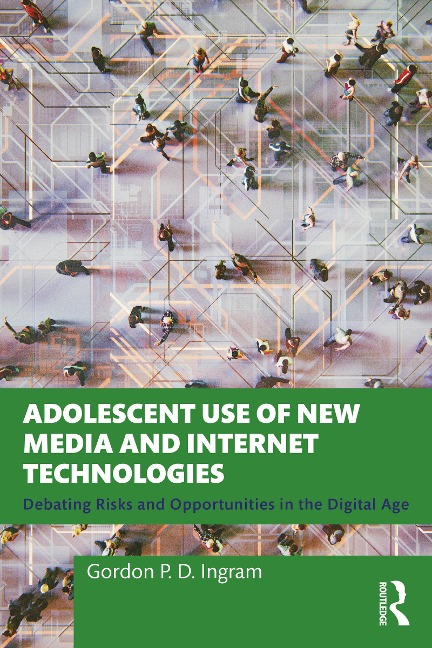
This book engages with contemporary, and often polarizing, debates surrounding the risks of adolescent use of digital media and internet technologies. By drawing on multiple research studies, the text synthesizes current understandings of the impacts of social network use, online gaming, pornography, and phenomena, including cyberbullying, cyberstalking, and internet addiction, to develop recommendations for the effective identification of at-risk youth, as well as strategies for informed communication about online risks and opportunities. It shows how media discussion of risks to children and teenagers from new technology is highly emotive and often exaggerated, rooted in the "moral panic" surrounding new cultural practices that young people engage in, but which adults do not understand. Online risks are thus conceptualized as centering on three areas, specific to adolescence, which have undergone radical changes due to new internet technology. These include young people's identity, the types of content that are accessed, and social relationships. The author shows how these matters stem from the potential of new technology to establish new interpersonal connections, emphasizing how it brings opportunities, as much as risks. As such, he provides a uniquely balanced discussion of potential dangers, while also emphasizing the opportunities for social, academic, and personal growth which new technologies afford young people. It will be indispensable for researchers and clinicians interested in assessing levels of online risk, as well as scholars and educators with interests in cyberpsychology, social psychology, cyber culture, social aspects of computing and media, and adolescent development.
Gordon P. D. Ingram is Associate Professor of Psychology at Universidad de los Andes, Colombia.
1. Introduction: "Moral Panics" and the Exaggeration of Online Risks 2. New Identities: Visual Communication, Screen Time and Young People's Wellbeing 3. New Content: Social Gaming, Online Pornography and Knowledge Sharing 4. New Relationships: Online Dating, Cyberbullying and Intergroup Contact 5. Conclusions and Recommendations
Dieses eBook wird im PDF-Format geliefert und ist mit einem Adobe Kopierschutz (DRM) versehen. Sie können dieses eBook mit allen Geräten lesen, die das PDF-Format und den Adobe Kopierschutz (DRM) unterstützen.
Zum Beispiel mit den folgenden Geräten:
• tolino Reader
Laden Sie das eBook direkt über den Reader-Shop auf dem tolino herunter oder übertragen Sie das eBook auf Ihren tolino mit einer kostenlosen Software wie beispielsweise Adobe Digital Editions.
• Sony Reader & andere eBook Reader
Laden Sie das eBook direkt über den Reader-Shop herunter oder übertragen Sie das eBook mit der kostenlosen Software Sony READER FOR PC/Mac oder Adobe Digital Editions auf ein Standard-Lesegeräte mit epub- und Adobe DRM-Unterstützung.
• Tablets & Smartphones
Möchten Sie dieses eBook auf Ihrem Smartphone oder Tablet lesen, finden Sie hier unsere kostenlose Lese-App für iPhone/iPad und Android Smartphone/Tablets.
• PC & Mac
Lesen Sie das eBook direkt nach dem Herunterladen mit einer kostenlosen Lesesoftware, beispielsweise Adobe Digital Editions, Sony READER FOR PC/Mac oder direkt über Ihre eBook-Bibliothek in Ihrem Konto unter „Meine eBooks“ - „online lesen“.
Schalten Sie das eBook mit Ihrer persönlichen Adobe ID auf bis zu sechs Geräten gleichzeitig frei.
Bitte beachten Sie, dass die Kindle-Geräte das Format nicht unterstützen und dieses eBook somit nicht auf Kindle-Geräten lesbar ist.