Und dann auf "Zum Home-Bildschirm [+]".

Stöbern
genialokal zum Startbildschirm hinzufügen
Installieren Sie die genialokal App auf Ihrem Startbildschirm für einen schnellen Zugriff und eine komfortable Nutzung.
Installieren Sie die genialokal App auf Ihrem Startbildschirm für einen schnellen Zugriff und eine komfortable Nutzung.
Ihr gewünschter Artikel ist in 0 Buchhandlungen vorrätig - wählen Sie hier eine Buchhandlung in Ihrer Nähe aus:

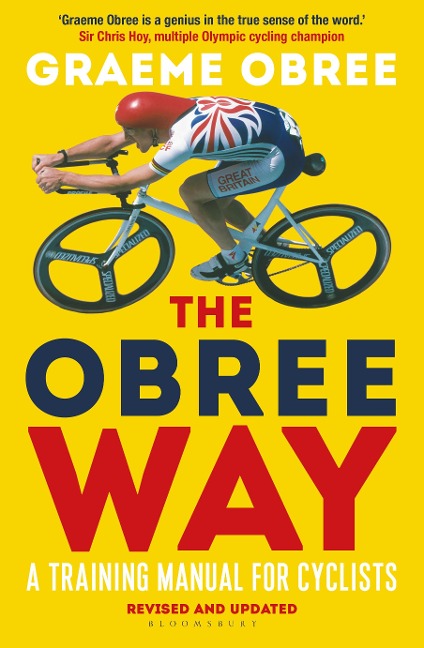
'A must-read book to make you faster on the bike' - Cycling Weekly 'Graeme Obree is genius in the true sense of the word' - Sir Chris Hoy, multiple Olympic cycling champion A fully updated edition of twice world hour record holder and twice world 4000m pursuit champion Graeme Obree's popular guide to cycling. No one but Graeme Obree has the clarity of vision to get to the heart of the 'problem' of how to improve as a racing cyclist. His innovative approach took him to the top of world cycling, twice breaking the world hour record. This practical guide to revolutionising your cycling training - applicable to all cyclists, from the weekend warrior to the serious competitor - swerves conventional wisdom and strips cycling back to its elements, always asking the question: 'What actually improves my race time?' Fully updated, this cycling classic reveals Graeme Obree's radical insights into technique, training, psychology and diet, and the clear logic behind them. It is certain to help cyclists get the most out of their training. This edition is a mono version of the 2018 revised (second) edition.
Graeme Obree is twice world hour record holder and twice world 4000m pursuit champion. He is a regular contributor to BBC Radio where his insights and analysis of track racing are revered by cycling fans. @GraemeObree
Foreword Introduction 1. What is training? 2. First steps 3. Bike set-up 4. The turbo session 5. Training 6. Psychology of preparation 7. Psychology of racing 8. Breathing 9. Pedalling 10. Stretching 11. The time trial 12. Nutrition and diet 13. Illness and other matters 14. Selection 15. The dichotomy of sport 16. Aspiration and achievement 17. The holistic view Conclusion Acknowledgements Photo credits Index