Und dann auf "Zum Home-Bildschirm [+]".

Stöbern
genialokal zum Startbildschirm hinzufügen
Installieren Sie die genialokal App auf Ihrem Startbildschirm für einen schnellen Zugriff und eine komfortable Nutzung.
Installieren Sie die genialokal App auf Ihrem Startbildschirm für einen schnellen Zugriff und eine komfortable Nutzung.
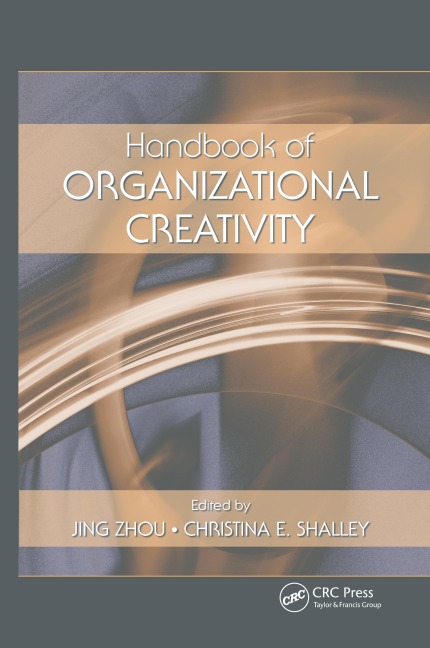
This volume is a comprehensive and cutting-edge reference book reflecting current knowledge in the rapidly growing area of organizational creativity. The contributors to this volume are all leading researchers in the field of organizational creativity. This volume: - provides a historical review of organizational creativity theory and research - presents critical reviews and summaries of research on micro, meso, and macro topics (e.g., leadership, feedback, goals and role expectations, groups and teams, social networks, climate and culture, deep structures, sense-making processes, and creativity and organizational change) concerning organizational creativity - demonstrates contributions of creativity to individual work outcomes and organizational success - discusses emerging areas and highlights promising future research trends Professors and graduate students in management and psychology will find this volume most beneficial. Professors and graduate students in marketing, sociology, and education also may find this book useful and relevant. Thoughtful managers and executives, professionals and knowledge workers, and aspiring managers and MBA students also would find this book beneficial in sharpening their thinking, and helping them to identify the right tools for managing creativity.
Jing Zhou is Professor of Management in the Jesse H. Jones Graduate School of Management at Rice University. Christina E. Shalley is GT Advance Professor in the College of Management at the Georgia Institute of Technology.
Section 1. Organizational Creativity in Historical Context. C. Shalley, J. Zhou, Organizational Creativity Research: An Historical Overview. T. Amabile, J. Mueller, Assessing Creativity and its Antecedents: An Exploration of the Componential Theory of Creativity. C. Ford, M. Kuenzi, Organizing Creativity Research: Insights and Proposals Suggested by Examining Classic Administrative Science Texts. Section 2. Distinctive Contributions from Organizational Creativity Research. P. Tierney, Leadership and Creativity: A Reciprocal Evolving Model. J. Zhou, Promoting Creativity through Feedback. C. Shalley, Creating Roles: What Managers Can Do to Establish Expectations for Creative Performance. P. Paulus, Fostering Creativity in Groups and Teams. J. Perry-Smith, When Being Social Facilitates Creativity: Social Networks and Creativity within Organizations. M. West, A. Richter, Climates and Cultures for Innovation and Creativity at Work. D. Dougherty, N. Tolboom, Creative Organizing to Enable Organizational Creativity: The Case of Sustained Product Innovation. R. Drazin, R. Kazanjian, M. Glynn, A Sensemaking Approach to Understanding the Politics of Creativity. R. Woodman, Creativity and Organizational Change: Linking Ideas and Extending Theory. Section 3. Normative Implications of Organizational Creativity Research. L. Gilson, Why be Creative: A Review of the Practical Outcomes Associated with Creativity at the Individual, Group, and Organizational Levels. A. Hargadon, Creativity that Works. Section 4. Suggestions for Future Organizational Creativity Research. J. Zhou, C. Shalley, Expanding the Scope and Impact of Organizational Creativity Research.
Dieses eBook wird im PDF-Format geliefert und ist mit einem Adobe Kopierschutz (DRM) versehen. Sie können dieses eBook mit allen Geräten lesen, die das PDF-Format und den Adobe Kopierschutz (DRM) unterstützen.
Zum Beispiel mit den folgenden Geräten:
• tolino Reader
Laden Sie das eBook direkt über den Reader-Shop auf dem tolino herunter oder übertragen Sie das eBook auf Ihren tolino mit einer kostenlosen Software wie beispielsweise Adobe Digital Editions.
• Sony Reader & andere eBook Reader
Laden Sie das eBook direkt über den Reader-Shop herunter oder übertragen Sie das eBook mit der kostenlosen Software Sony READER FOR PC/Mac oder Adobe Digital Editions auf ein Standard-Lesegeräte mit epub- und Adobe DRM-Unterstützung.
• Tablets & Smartphones
Möchten Sie dieses eBook auf Ihrem Smartphone oder Tablet lesen, finden Sie hier unsere kostenlose Lese-App für iPhone/iPad und Android Smartphone/Tablets.
• PC & Mac
Lesen Sie das eBook direkt nach dem Herunterladen mit einer kostenlosen Lesesoftware, beispielsweise Adobe Digital Editions, Sony READER FOR PC/Mac oder direkt über Ihre eBook-Bibliothek in Ihrem Konto unter „Meine eBooks“ - „online lesen“.
Schalten Sie das eBook mit Ihrer persönlichen Adobe ID auf bis zu sechs Geräten gleichzeitig frei.
Bitte beachten Sie, dass die Kindle-Geräte das Format nicht unterstützen und dieses eBook somit nicht auf Kindle-Geräten lesbar ist.