Und dann auf "Zum Home-Bildschirm [+]".

Stöbern
genialokal zum Startbildschirm hinzufügen
Installieren Sie die genialokal App auf Ihrem Startbildschirm für einen schnellen Zugriff und eine komfortable Nutzung.
Installieren Sie die genialokal App auf Ihrem Startbildschirm für einen schnellen Zugriff und eine komfortable Nutzung.

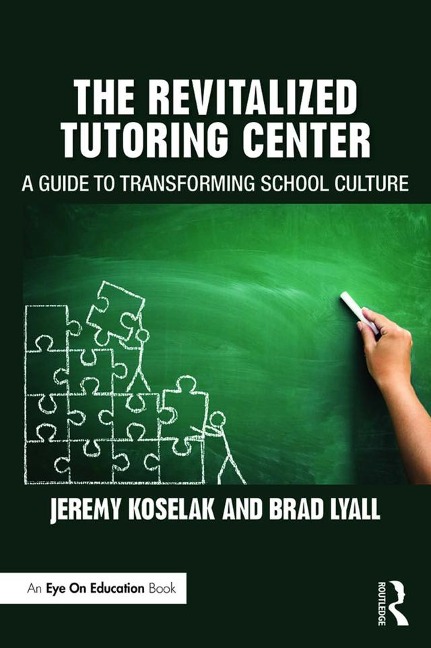

Tapping into the existing resources and staff available within your school, The Revitalized Tutoring Center provides an effective strategy to improve instruction and student performance. This practical guide shares the blueprint, best practices, and resources necessary to create and implement a robust, embedded tutoring center. This dynamic peer tutoring model brings together teachers, peers, and community members in a support network that identifies students in need and facilitates individualized instruction. With a peer tutoring model in place, schools are better positioned to initiate and sustain a variety of initiatives such as PLCs, RTI, formative assessment, community partnerships, and service learning, while creating equitable access and opportunity for all. This book illustrates how instructional leaders can leverage existing resources in a sustainable and cost-effective way to implement a model that ultimately leads to cultural changes, innovation, and significant academic improvement.
Jeremy Koselak is the RtI Coordinator and former Director of the tutoring center at an urban high school in Colorado Springs, and has worked extensively with at-risk high school students across all content areas. Brad Lyall is Intervention Coordinator and has worked with at-risk high school students in a variety of settings in the field of mathematics.
Foreword Thomas Many Introduction Acknowledgements Meet the Author Section I: The Why, What, and How Behind the Revitalized Tutoring Center Chapter One Making the Case Chapter Two Building the Core Components Chapter Three Operationalizing the Model Section II: Optimizing and Innovating the Revitalized Tutoring Center Chapter Four Optimizing with Peer Tutors Chapter Five Innovating and Customizing Chapter 6: Conclusion References Appendix A: Tutoring Center Implementation Rubric B: Sample Student Graphs C: Study Hall Exemption Contract D: Curriculum Based Measure (CBM) for Math E: Peer Tutor Recruiting Letter F: Do's and Don'ts of Math Tutoring Glossary Foreword Thomas Many Introduction Acknowledgements Meet the Author Section I: The Why, What, and How Behind the Revitalized Tutoring Center Chapter One Making the Case Chapter Two Building the Core Components Chapter Three Operationalizing the Model Section II: Optimizing and Innovating the Revitalized Tutoring Center Chapter Four Optimizing with Peer Tutors Chapter Five Innovating and Customizing Chapter 6: Conclusion References Appendix A: Tutoring Center Implementation Rubric B: Sample Student Graphs C: Study Hall Exemption Contract D: Curriculum Based Measure (CBM) for Math E: Peer Tutor Recruiting Letter F: Do's and Don'ts of Math Tutoring Glossary