Und dann auf "Zum Home-Bildschirm [+]".

Stöbern
genialokal zum Startbildschirm hinzufügen
Installieren Sie die genialokal App auf Ihrem Startbildschirm für einen schnellen Zugriff und eine komfortable Nutzung.
Installieren Sie die genialokal App auf Ihrem Startbildschirm für einen schnellen Zugriff und eine komfortable Nutzung.
Ihr gewünschter Artikel ist in 0 Buchhandlungen vorrätig - wählen Sie hier eine Buchhandlung in Ihrer Nähe aus:

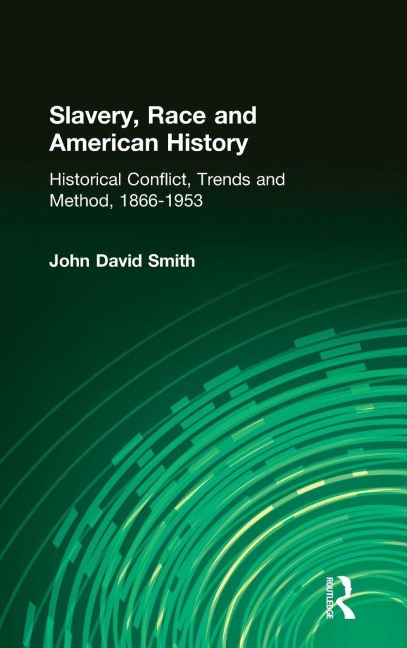
These essays introduce the complexities of researching and analyzing "race". This book focuses on problems confronted while researching, writing and interpreting race and slavery, such as conflict between ideological perspectives, and changing interpretations of the questions.
John David Smith is a passionate poet, storyteller, and pastor, blending the profound beauty of words with the power of human experience. His works span a variety of genres, from poetry to short stories and devotionals, reflecting his deep belief in the transformative power of faith, love, and resilience.A lifelong writer, John draws inspiration from his own life journey, filled with moments of joy, loss, and personal growth. His poetry often explores themes of healing, connection, and the passage of time, while his prose invites readers to reflect on the complexities of faith, identity, and belonging.In addition to his writing, John is deeply committed to using his words to inspire and uplift, offering readers a glimpse into the heart of the human experience. When he's not writing or designing, John enjoys spending time with family, exploring nature, and fostering connections within his community. His works are a testament to his belief that stories, poetry, and faith can guide us through even the most challenging times.
Part 1 Conflicts; Chapter 1 George H. Moore; Chapter 2 James Ford Rhodes, Woodrow Wilson, and the Passing of the Amateur Historian of Slavery; Chapter 3 W.E.B. Du Bois and Ulrich Bonnell Phillips; Chapter 4 Historical or Personal Criticism?; Chapter 5 The Historiographic Rise, Fall, and Resurrection of Ulrich Bonnell Phillips; Part 2 Trends; Chapter 6 Alfred Holt Stone; Chapter 7 Neglected but Not Forgotten; Chapter 8 A Different View of Slavery; Chapter 9 The Unveiling of Slave Folk Culture, 1865-1920; Chapter 10 E. Merton Coulter, the "Dunning School," and The Civil War and Readjustment in Kentucky; Chapter 11 Ulrich Bonneil Phillips's World Tour and the Study of Comparative Plantation Societies; Chapter 12 A Southern Historian on Tour; Part 3 Method; Chapter 13 "Keep 'Em in a Fire-Proof Vault"; Chapter 14 The Historian as Archival Advocate; Chapter 15 Ulrich Bonnell Phillips's Plantation and Frontier Documents: 1649-1863;