Und dann auf "Zum Home-Bildschirm [+]".

Stöbern
genialokal zum Startbildschirm hinzufügen
Installieren Sie die genialokal App auf Ihrem Startbildschirm für einen schnellen Zugriff und eine komfortable Nutzung.
Installieren Sie die genialokal App auf Ihrem Startbildschirm für einen schnellen Zugriff und eine komfortable Nutzung.
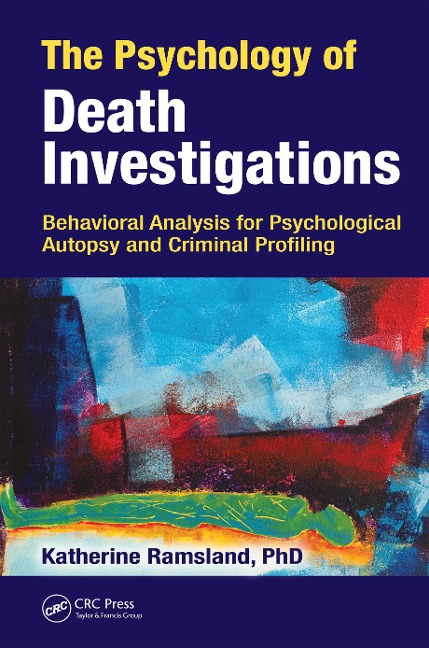
The Psychology of Death Investigations outlines definitively how behavioral evidence can often provide the necessary components and "missing pieces" to complement physical evidence as an essential tool for incident reconstruction. In order to determine the direction of an investigation and to prioritize leads, if necessary, death investigators must establish the manner of a death: natural, accident, homicide or suicide. The most overlooked aspect of death investigation is the psychological dimension, which can provide unique leads, correct false assumptions, enhance investigative awareness, and solve cases in surprising ways. In an estimated 10-20% of cases, the manner of death cannot be determined, or worse, has been erroneously categorized. Since many jurisdictions can't afford behavioral consultants, this book has been written to provide practical information for a basic psychological analysis. If the circumstances surrounding a death are equivocal, psychological consultants can compile information retrospectively about a deceased person's mental state and possible motive to assist with unravelling ambiguity about the manner of death. This is the primary function of a psychological autopsy, and, as such, this is the first book of its kind dedicated solely to the topic. In the event that the manner of death is determined to be a homicide, behavioral profiling can help to focus the potential pool of suspects. Professionals and students alike will benefit from the exercise of cognitive awareness and the application of psychological logic presented. Psychologists, medical examiners, coroners, attorneys, fraud examiners, law enforcement personnel, death and homicide investigators, and students enrolled in criminal profiling, forensic psychology, and criminal justice programs will find this text to be a compelling and insightful reference to add to their professional toolkit.
Dr. Katherine Ramsland, director of the Master of Arts in Criminal Justice program at DeSales University, also manages and teaches the forensic psychology track. Among her courses at the graduate and undergraduate level is a course on the psychology of death investigation. She is a member of several professional organizations, including the American Academy of Forensic Science and the American Association of Suicidology. She has published over 1,000 articles, stories, and reviews, and 59 books, including The Mind of a Murderer, The Forensic Psychology of Criminal Minds, The Forensic Science of CSI, Inside the Minds of Serial Killers, The Human Predator: A Historical Chronicle of Serial Murder and Forensic Investigation, The Criminal Mind, The Ivy League Killer, and The Murder Game. Her book, Psychopath, was a #1 bestseller on the Wall Street Journal's list. With former FBI profiler Gregg McCrary, she co-authored a book on his cases, The Unknown Darkness: Profiling the Predators among Us, with Dr. Henry C. Lee, The Real Life of a Forensic Scientist, and with Professor James E. Starrs, A Voice for the Dead. She assisted former FBI profiler John Douglas with research on The Cases that Haunt Us. Ramsland presents workshops to law enforcement, psychologists, coroners, judges, and attorneys, and has consulted for several television series, including CSI and Bones. She also writes a regular blog for Psychology Today and has appeared on numerous crime documentaries. Her most recent book (September 2016) is with serial killer Dennis Rader, called Confession of a Serial Killer: The Untold Story of Dennis Rader, the BTK Killer. Currently, she is writing a textbook for forensic investigators.
Introduction: Victimology and Behavioral Evidence Part 1. Psychological Autopsies 1. History and Concepts 2. The Consulting Suicidologist 3. Suicide Categories, Oddities, and Notes 4. Staging Part 2. Behavioral Profiling 5. History and Purpose 6. Methodology 7. Criminal Analyses 8. Motive and Threat 9. Behavioral Evidence in Court 10. Behavioral Analyses in Perspective
Dieses eBook wird im PDF-Format geliefert und ist mit einem Adobe Kopierschutz (DRM) versehen. Sie können dieses eBook mit allen Geräten lesen, die das PDF-Format und den Adobe Kopierschutz (DRM) unterstützen.
Zum Beispiel mit den folgenden Geräten:
• tolino Reader
Laden Sie das eBook direkt über den Reader-Shop auf dem tolino herunter oder übertragen Sie das eBook auf Ihren tolino mit einer kostenlosen Software wie beispielsweise Adobe Digital Editions.
• Sony Reader & andere eBook Reader
Laden Sie das eBook direkt über den Reader-Shop herunter oder übertragen Sie das eBook mit der kostenlosen Software Sony READER FOR PC/Mac oder Adobe Digital Editions auf ein Standard-Lesegeräte mit epub- und Adobe DRM-Unterstützung.
• Tablets & Smartphones
Möchten Sie dieses eBook auf Ihrem Smartphone oder Tablet lesen, finden Sie hier unsere kostenlose Lese-App für iPhone/iPad und Android Smartphone/Tablets.
• PC & Mac
Lesen Sie das eBook direkt nach dem Herunterladen mit einer kostenlosen Lesesoftware, beispielsweise Adobe Digital Editions, Sony READER FOR PC/Mac oder direkt über Ihre eBook-Bibliothek in Ihrem Konto unter „Meine eBooks“ - „online lesen“.
Schalten Sie das eBook mit Ihrer persönlichen Adobe ID auf bis zu sechs Geräten gleichzeitig frei.
Bitte beachten Sie, dass die Kindle-Geräte das Format nicht unterstützen und dieses eBook somit nicht auf Kindle-Geräten lesbar ist.