Und dann auf "Zum Home-Bildschirm [+]".

Stöbern
genialokal zum Startbildschirm hinzufügen
Installieren Sie die genialokal App auf Ihrem Startbildschirm für einen schnellen Zugriff und eine komfortable Nutzung.
Installieren Sie die genialokal App auf Ihrem Startbildschirm für einen schnellen Zugriff und eine komfortable Nutzung.
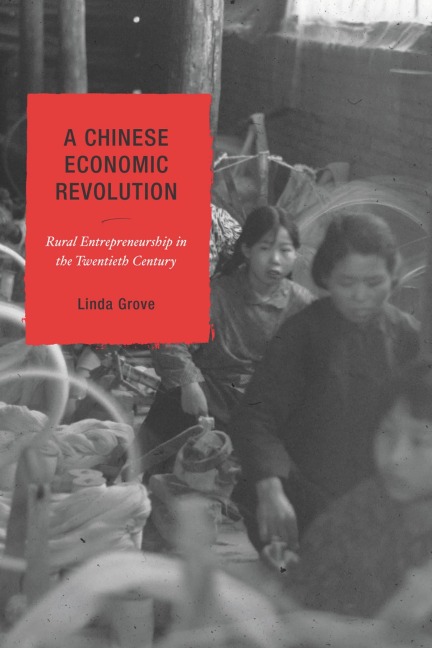
This powerful and meticulously researched study explores the role of rural industry and entrepreneurship in the Chinese economic miracle. Linda Grove considers especially the development of the Gaoyang industrial district, China's best-known rural industrial district of the pre-World War II period. By focusing on one weaving district in North China, she is able to explore in detail the ways in which small industrial firms have accumulated capital, organized their firms, developed nationwide marketing networks, and promoted brands over the last century. Cutting across the conventional divide between studies of "history" and "contemporary economy" and between pre- and post-1949 China, the author persuasively shows the links between traditional Chinese business practices and contemporary entrepreneurial success.
The first book in English to explore the world of small-scale business firms in China, it introduces the activities of individual entrepreneurs and firms and examines the structure of industrial organization that has supported the rapid growth of individual firms. Based on several decades of archival research, surveys, and fieldwork, A Chinese Economic Revolution provides an in-depth exploration of Chinese rural industry. Framed by the author's extensive familiarity with rural industrial development in Japan, India, and Europe, the book also offers important comparative perspectives for those interested in global economic history, postsocialist economic performance, and economic development strategies.
Linda Grove is professor on the faculty of liberal arts and vice president for academic exchange at Sophia University in Tokyo.
Part I
Chapter 1: Introduction
Chapter 2: Creating an Industrial District
Chapter 3: Gaoyang Entrepreneurs
Chapter 4: Rural Weavers
Chapter 5: Marketing Networks
Chapter 6: Communal Resources
Chapter 7: Wartime Collapse
Part II
Chapter 8: Introduction
Chapter 9: From Market to Plan: The Second Phase of Growth
Chapter 10: Plan to Market: The Third Phase of Growth
Chapter 11: Entrepreneurial Legacies in Contemporary Firms
Chapter 12: Conclusion
Dieses eBook wird im PDF-Format geliefert und ist mit einem Adobe Kopierschutz (DRM) versehen. Sie können dieses eBook mit allen Geräten lesen, die das PDF-Format und den Adobe Kopierschutz (DRM) unterstützen.
Zum Beispiel mit den folgenden Geräten:
• tolino Reader
Laden Sie das eBook direkt über den Reader-Shop auf dem tolino herunter oder übertragen Sie das eBook auf Ihren tolino mit einer kostenlosen Software wie beispielsweise Adobe Digital Editions.
• Sony Reader & andere eBook Reader
Laden Sie das eBook direkt über den Reader-Shop herunter oder übertragen Sie das eBook mit der kostenlosen Software Sony READER FOR PC/Mac oder Adobe Digital Editions auf ein Standard-Lesegeräte mit epub- und Adobe DRM-Unterstützung.
• Tablets & Smartphones
Möchten Sie dieses eBook auf Ihrem Smartphone oder Tablet lesen, finden Sie hier unsere kostenlose Lese-App für iPhone/iPad und Android Smartphone/Tablets.
• PC & Mac
Lesen Sie das eBook direkt nach dem Herunterladen mit einer kostenlosen Lesesoftware, beispielsweise Adobe Digital Editions, Sony READER FOR PC/Mac oder direkt über Ihre eBook-Bibliothek in Ihrem Konto unter „Meine eBooks“ - „online lesen“.
Schalten Sie das eBook mit Ihrer persönlichen Adobe ID auf bis zu sechs Geräten gleichzeitig frei.
Bitte beachten Sie, dass die Kindle-Geräte das Format nicht unterstützen und dieses eBook somit nicht auf Kindle-Geräten lesbar ist.