Und dann auf "Zum Home-Bildschirm [+]".

Stöbern
genialokal zum Startbildschirm hinzufügen
Installieren Sie die genialokal App auf Ihrem Startbildschirm für einen schnellen Zugriff und eine komfortable Nutzung.
Installieren Sie die genialokal App auf Ihrem Startbildschirm für einen schnellen Zugriff und eine komfortable Nutzung.
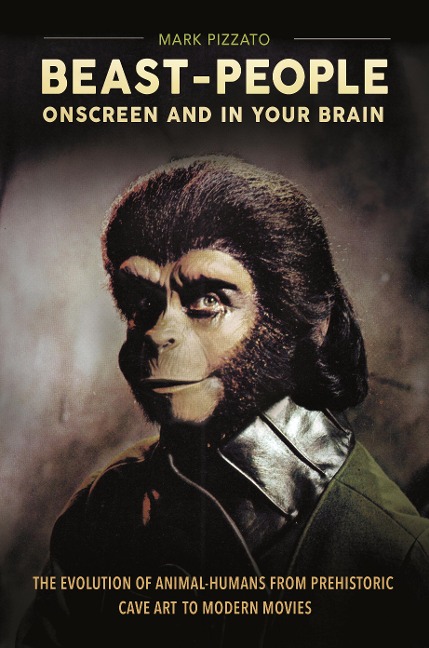
A new take on our bio-cultural evolution explores how the "inner theatre" of the brain and its "animal-human stages" are reflected in and shaped by the mirror of cinema.
Vampire, werewolf, and ape-planet films are perennial favorites-perhaps because they speak to something primal in human nature. This intriguing volume examines such films in light of the latest developments in neuroscience, revealing ways in which animal-human monster movies reflect and affect what we naturally imagine in our minds. Examining specific films as well as early cave images, the book discusses how certain creatures on rock walls and movie screens express animal-to-human evolution and the structures of our brains.
The book presents a new model of the human brain with its theatrical, cinematic, and animal elements. It also develops a theory of "rasa-catharsis" as the clarifying of emotions within and between spectators of the stage or screen, drawing on Eastern and Western aesthetics as well as current neuroscience. It focuses on the "inner movie theater" of memories, dreams, and reality representations, involving developmental stages, as well as the "hall of mirrors," ape-egos, and body-swapping identifications between human beings. Finally, the book shows how ironic twists onscreen-especially of contradictory emotions-might evoke a reappraisal of feelings, helping spectators to be more attentive to their own impulses. Through this interdisciplinary study, scholars, artists, and general readers will find a fresh way to understand the potential for interactive mindfulness and yet cathartic backfire between human brains-in cinema, in theater, and in daily life.
Mark Pizzato, MFA, PhD, is professor of theatre and film at UNC-Charlotte, where he teaches theatre history, theory, playwriting/screenwriting, and various topics in film.
Series Foreword
Acknowledgments
Introduction
Chapter 1. Vertebrate and Mammalian Stages in Mind: A Neuro-Theatrical Model
Chapter 2. Prehistoric Caves as Emotion Picture Theaters
Chapter 3. The Other Mammal in Me: A Hall of Mirrors between Brains
Chapter 4. Vampires and Werewolves Onscreen
Chapter 5. Ape Egos, Inner-Theater Elements, and Body Swapping
Chapter 6. Lab Hybrids and Planets of the Apes
Chapter 7. Morals of the Tale Still in Play
Notes
Filmography
References
Index
Dieses eBook wird im PDF-Format geliefert und ist mit einem Adobe Kopierschutz (DRM) versehen. Sie können dieses eBook mit allen Geräten lesen, die das PDF-Format und den Adobe Kopierschutz (DRM) unterstützen.
Zum Beispiel mit den folgenden Geräten:
• tolino Reader
Laden Sie das eBook direkt über den Reader-Shop auf dem tolino herunter oder übertragen Sie das eBook auf Ihren tolino mit einer kostenlosen Software wie beispielsweise Adobe Digital Editions.
• Sony Reader & andere eBook Reader
Laden Sie das eBook direkt über den Reader-Shop herunter oder übertragen Sie das eBook mit der kostenlosen Software Sony READER FOR PC/Mac oder Adobe Digital Editions auf ein Standard-Lesegeräte mit epub- und Adobe DRM-Unterstützung.
• Tablets & Smartphones
Möchten Sie dieses eBook auf Ihrem Smartphone oder Tablet lesen, finden Sie hier unsere kostenlose Lese-App für iPhone/iPad und Android Smartphone/Tablets.
• PC & Mac
Lesen Sie das eBook direkt nach dem Herunterladen mit einer kostenlosen Lesesoftware, beispielsweise Adobe Digital Editions, Sony READER FOR PC/Mac oder direkt über Ihre eBook-Bibliothek in Ihrem Konto unter „Meine eBooks“ - „online lesen“.
Schalten Sie das eBook mit Ihrer persönlichen Adobe ID auf bis zu sechs Geräten gleichzeitig frei.
Bitte beachten Sie, dass die Kindle-Geräte das Format nicht unterstützen und dieses eBook somit nicht auf Kindle-Geräten lesbar ist.