Und dann auf "Zum Home-Bildschirm [+]".

Stöbern
genialokal zum Startbildschirm hinzufügen
Installieren Sie die genialokal App auf Ihrem Startbildschirm für einen schnellen Zugriff und eine komfortable Nutzung.
Installieren Sie die genialokal App auf Ihrem Startbildschirm für einen schnellen Zugriff und eine komfortable Nutzung.
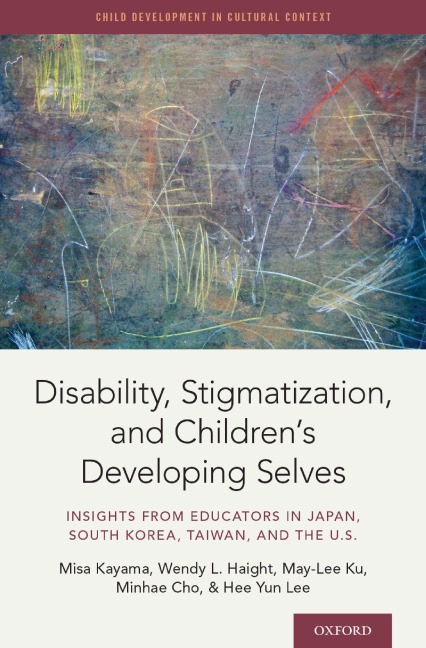
Guided by developmental cultural psychology, this volume focuses on understandings and responses to disability and stigmatization from the perspectives of educators practicing in Japan, South Korea, Taiwan, and the United States. Synthesizing research that spanned over a decade, this volume seeks to understand disabilities in different developmental and cultural contexts.
The research presented in this book found that educators from all four cultural groups expressed strikingly similar concerns about the impact of stigmatization on the emerging cultural self, both with children with disabilities and their typically developing peers, while also describing culturally nuanced socialization goals and practices pertaining to inclusive education. In providing a multicultural view of common challenges in classrooms from around the world, this book provides important lessons for the improvement of children's lives, as well as the development of theory, policy, and programs that are culturally sensitive and sustainable.
Misa Kayama is Assistant Professor in the School of Applied Sciences, Department of Social Work at the University of Mississippi, Oxford.
Wendy L. Haight is Professor and Gamble Skogmo Chair in Child Welfare and Youth Policy in the School of Social Work at the University of Minnesota, Twin Cities.
May-Lee Ku is Emeritus Associate Professor and Director in the International Center for the Promotion of Partner Based Learning in the College of Social Science at Fu Jen Catholic University, New Taipei City, Taiwan.
Minhae Cho is Assistant Professor in the School of Social Work at the University of Memphis.
Hee Yun Lee is Professor, Associate Dean for Research, and Endowed Academic Chair on Social Work and Health in the School of Social Work at the University of Alabama, Tuscaloosa.
Acknowlegements
Guide to Japanese, South Korean, Taiwanese, and U.S. Terms/Concepts
Part 1: Introduction
Chapter 1. Overview
Part 2: The Contexts of Educational Practice
Chapter 2. Cultural-historical contexts
Chapter 3. Educational policy and practice contexts
Chapter 4. Children's development as context
Interlude 1: The Voices of Children
Part 3: Educators' Perspectives
Chapter 5. Research program
Chapter 6. Disability and stigmatization as threats to the cultural self
Chapter 7. Preventing and repairing harm to children's cultural self
Chapter 8. Parent-educator relationships
Interlude 2: The Voices of Parents
Part 4: Conclusion
Chapter 9. Lessons learned and ways forward
Appendix A: Definitions of special education disability categories in four countries Appendix B: Diagnostic criteria for disabilities in ICD-10
References
Dieses eBook wird im PDF-Format geliefert und ist mit einem Adobe Kopierschutz (DRM) versehen. Sie können dieses eBook mit allen Geräten lesen, die das PDF-Format und den Adobe Kopierschutz (DRM) unterstützen.
Zum Beispiel mit den folgenden Geräten:
• tolino Reader
Laden Sie das eBook direkt über den Reader-Shop auf dem tolino herunter oder übertragen Sie das eBook auf Ihren tolino mit einer kostenlosen Software wie beispielsweise Adobe Digital Editions.
• Sony Reader & andere eBook Reader
Laden Sie das eBook direkt über den Reader-Shop herunter oder übertragen Sie das eBook mit der kostenlosen Software Sony READER FOR PC/Mac oder Adobe Digital Editions auf ein Standard-Lesegeräte mit epub- und Adobe DRM-Unterstützung.
• Tablets & Smartphones
Möchten Sie dieses eBook auf Ihrem Smartphone oder Tablet lesen, finden Sie hier unsere kostenlose Lese-App für iPhone/iPad und Android Smartphone/Tablets.
• PC & Mac
Lesen Sie das eBook direkt nach dem Herunterladen mit einer kostenlosen Lesesoftware, beispielsweise Adobe Digital Editions, Sony READER FOR PC/Mac oder direkt über Ihre eBook-Bibliothek in Ihrem Konto unter „Meine eBooks“ - „online lesen“.
Schalten Sie das eBook mit Ihrer persönlichen Adobe ID auf bis zu sechs Geräten gleichzeitig frei.
Bitte beachten Sie, dass die Kindle-Geräte das Format nicht unterstützen und dieses eBook somit nicht auf Kindle-Geräten lesbar ist.