Und dann auf "Zum Home-Bildschirm [+]".

Stöbern
genialokal zum Startbildschirm hinzufügen
Installieren Sie die genialokal App auf Ihrem Startbildschirm für einen schnellen Zugriff und eine komfortable Nutzung.
Installieren Sie die genialokal App auf Ihrem Startbildschirm für einen schnellen Zugriff und eine komfortable Nutzung.
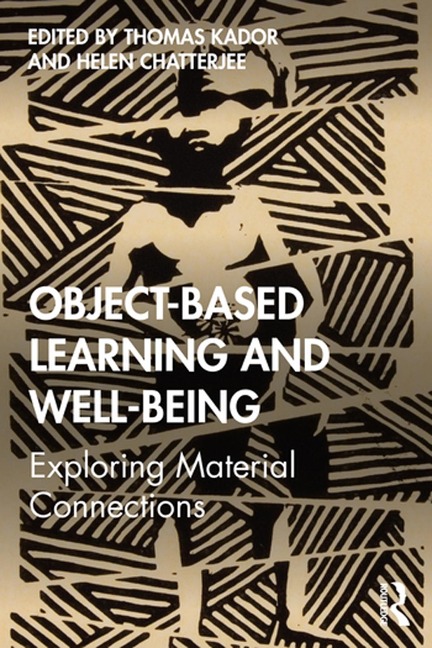
Object-Based Learning and Well-Being provides the first explicit analysis of the combined learning and well-being benefits of working with material culture and curated collections. Following on from the widely acclaimed Engaging the Senses, this volume explicitly explores the connection between the value of material culture for both learning and well-being. Bringing together experts and practitioners from eight countries on four continents, the book analyses the significance of curated collections for structured cultural interventions that may bring both educational and well-being benefits. Topics covered include the role of material culture in relation to mental health; sensory impairments; and general student and teacher well-being. Contributors also consider how collections can be employed to positively address questions of identity and belonging relating to marginalisation, colonialism and forced displacement. Object-Based Learning and Well-Being should be a key first point of reference for academics and students who are engaged in the study of object-based learning, museums, heritage, health and well-being. The book will be of particular interest to practitioners working in higher education, or those working in the cultural, heritage, museums and health sectors.
Thomas Kador is Senior Teaching Fellow on the Arts and Sciences (BASc) Programme at University College London, UK Helen Chatterjee is Professor of Biology at University College London, UK
1. Introduction; 2. Pedagogic Prescription: art and design teaching practice and object-based wellbeing; 3. Challenging the self in the museum: examining the development of professional identity and professional wellbeing for contrasting cohorts of clinical and public health students; 4. Inclusive Memory: How to promote social inclusion, wellbeing and critical thinking skills within a museum context; 5. Teaching colonial entanglements: indigenous art as a decolonising strategy; 6. Developing Real Attachments through Virtual Means: examining relations between Cultural Belongings, Digital Connections and Community Well-being; 7. Facilitating student engagement: supporting learning and wellbeing through university museum collections and spaces; 8. Learning and Wellbeing through Objects and Collections in Art Psychotherapy; 9. The Happy Teacher: a Critical Exploration of the Joys of Object Based Learning and Teaching in Higher Education; 10. Experiential and Object-Based Learning in Nature; 11. Getting to Grips with Difficult Histories in Medical Museums; 12. Preserved heritage: Stories and objects for mental health patients; 13. Object-Based Learning Training for Community Leaders
Dieses eBook wird im PDF-Format geliefert und ist mit einem Adobe Kopierschutz (DRM) versehen. Sie können dieses eBook mit allen Geräten lesen, die das PDF-Format und den Adobe Kopierschutz (DRM) unterstützen.
Zum Beispiel mit den folgenden Geräten:
• tolino Reader
Laden Sie das eBook direkt über den Reader-Shop auf dem tolino herunter oder übertragen Sie das eBook auf Ihren tolino mit einer kostenlosen Software wie beispielsweise Adobe Digital Editions.
• Sony Reader & andere eBook Reader
Laden Sie das eBook direkt über den Reader-Shop herunter oder übertragen Sie das eBook mit der kostenlosen Software Sony READER FOR PC/Mac oder Adobe Digital Editions auf ein Standard-Lesegeräte mit epub- und Adobe DRM-Unterstützung.
• Tablets & Smartphones
Möchten Sie dieses eBook auf Ihrem Smartphone oder Tablet lesen, finden Sie hier unsere kostenlose Lese-App für iPhone/iPad und Android Smartphone/Tablets.
• PC & Mac
Lesen Sie das eBook direkt nach dem Herunterladen mit einer kostenlosen Lesesoftware, beispielsweise Adobe Digital Editions, Sony READER FOR PC/Mac oder direkt über Ihre eBook-Bibliothek in Ihrem Konto unter „Meine eBooks“ - „online lesen“.
Schalten Sie das eBook mit Ihrer persönlichen Adobe ID auf bis zu sechs Geräten gleichzeitig frei.
Bitte beachten Sie, dass die Kindle-Geräte das Format nicht unterstützen und dieses eBook somit nicht auf Kindle-Geräten lesbar ist.