Und dann auf "Zum Home-Bildschirm [+]".

Stöbern
genialokal zum Startbildschirm hinzufügen
Installieren Sie die genialokal App auf Ihrem Startbildschirm für einen schnellen Zugriff und eine komfortable Nutzung.
Installieren Sie die genialokal App auf Ihrem Startbildschirm für einen schnellen Zugriff und eine komfortable Nutzung.


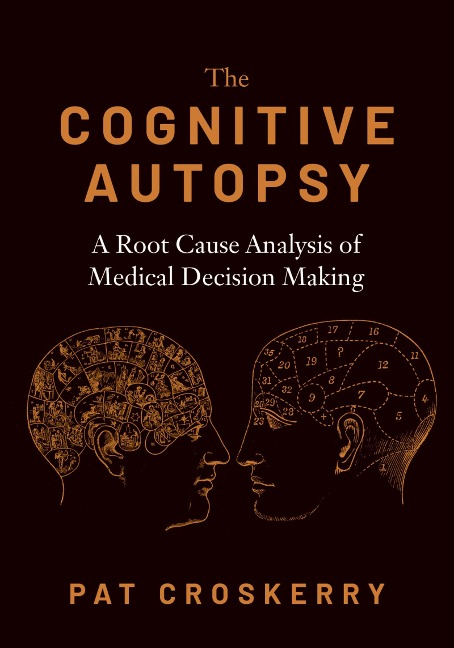
Behind heart disease and cancer, medical error is now listed as one of the leading causes of death. Of the many medical errors that may lead to injury and death, diagnostic failure is regarded as the most significant. Generally, the majority of diagnostic failures are attributed to the clinicians directly involved with the patient, and to a lesser extent, the system in which they work. In turn, the majority of errors made by clinicians are due to decision making failures manifested by various departures from rationality. Of all the medical environments in which patients are seen and diagnosed, the emergency department is the most challenging. It has been described as a "wicked" environment where illness and disease may range from minor ailments and complaints to severe, life-threatening disorders. The Cognitive Autopsy is a novel strategy towards understanding medical error and diagnostic failure in 42 clinical cases with which the author was directly involved or became aware of at the time. Essentially, it describes a cognitive approach towards root cause analysis of medical adverse events or near misses. Whereas root cause analysis typically focuses on the observable and measurable aspects of adverse events, the cognitive autopsy attempts to identify covert cognitive processes that may have contributed to outcomes. In this clinical setting, no cognitive process is directly observable but must be inferred from the behavior of the individual clinician. The book illustrates unequivocally that chief among these cognitive processes are cognitive biases and other flaws in decision making, rather than knowledge deficits.
Pat Croskerry, MD, PhD, is Professor of Emergency Medicine and in the Division of Medical Education & Continuing Professional Development, Faculty of Medicine at Dalhousie University in Halifax, Nova Scotia, Canada. In addition to his medical training, he holds a doctorate in Experimental Psychology and a Fellowship in Clinical Psychology. He has published over 90 journal articles and 40 book chapters in the area of patient safety, clinical decision making and medical education reform. Two of his papers are in the top 5 cited papers in the emergency medicine education literature. In 2006, he was appointed to the Board of the Canadian Patient Safety Institute, and in the same year received the Ruedy award from the Association of Faculties of Medicine of Canada for innovation in medical education. He has given over 500 keynote presentations at leading medical schools, hospitals, and universities around the world. Foreword Preface Acknowledgements Introduction The Cases Case 1. Christmas Surprises Case 2. Distraught Distraction Case 3. The Fortunate Footballer Case 4. An Incommoded Interior Designer Case 5. Teenage Tachypnoea Case 6. The Backed-up Bed Blocker Case 7. The English Patient Case 8. Lazarus Redux Case 9. A Model Pilot Case 10. A Rash Diagnosis Case 11. The Perfect Storm Case 12. A Case of Premature Closure Case 13. Postpartum Puzzler Case 14. The Blind Leading the Blindable Case 15. Pseudodiagnosis of Pseudoseizure Case 16. Failed Frequent Flyers (a and b) Case 17. Explosions, Expletives and Erroneous Explanations Case 18. The Representativeness Representative Case 19. The Michelin Lady Case 20. An Instable Inadvertence Case 21. A Laconic Lad Case 22. The Misunderstood Matelot Case 23. A Hard Tale to Swallow Case 24. A Rake's Progress Case 25. Deceptive Detachment Case 26. A Search Satisfied Skateboarder Case 27. The Vacillated Vagrant Case 28. A Tale of Two Cycles (a and b) Case 29. Misleading Mydriasis Case 30. Bungled Bullae Case 31. Overdosing the Overdosed Case 32. The Lost Guide Case 33. Hazardous Handover Case 34. Double Trouble Case 35. Tracking Fast and Slow Case 36. Alternate Alternatives Case 37. Notable Near-miss Case 38. A Stone Left Unturned Case 39. Sweet Nothings Case 40. Straining the Strain Diagnosis Case 41. Missed It Conclusion: Strategies for Improving Clinical Decision Making Appendix A: Diagnoses in 42 Cases Appendix B: Probable Biases and Their Frequencies in 42 Clinical Cases Appendix C: Analysis of Ordinal Position of Bias in Clinical Cases Appendix D: Potential Error-Producing Conditions Appendix E: Analysis of Knowledge-Based Errors in the Case Series Glossary of Biases and Their Cognitive Factors Index
Foreword Preface Acknowledgements Introduction The Cases Case 1. Christmas Surprises Case 2. Distraught Distraction Case 3. The Fortunate Footballer Case 4. An Incommoded Interior Designer Case 5. Teenage Tachypnoea Case 6. The Backed-up Bed Blocker Case 7. The English Patient Case 8. Lazarus Redux Case 9. A Model Pilot Case 10. A Rash Diagnosis Case 11. The Perfect Storm Case 12. A Case of Premature Closure Case 13. Postpartum Puzzler Case 14. The Blind Leading the Blindable Case 15. Pseudodiagnosis of Pseudoseizure Case 16. Failed Frequent Flyers (a and b) Case 17. Explosions, Expletives and Erroneous Explanations Case 18. The Representativeness Representative Case 19. The Michelin Lady Case 20. An Instable Inadvertence Case 21. A Laconic Lad Case 22. The Misunderstood Matelot Case 23. A Hard Tale to Swallow Case 24. A Rake's Progress Case 25. Deceptive Detachment Case 26. A Search Satisfied Skateboarder Case 27. The Vacillated Vagrant Case 28. A Tale of Two Cycles (a and b) Case 29. Misleading Mydriasis Case 30. Bungled Bullae Case 31. Overdosing the Overdosed Case 32. The Lost Guide Case 33. Hazardous Handover Case 34. Double Trouble Case 35. Tracking Fast and Slow Case 36. Alternate Alternatives Case 37. Notable Near-miss Case 38. A Stone Left Unturned Case 39. Sweet Nothings Case 40. Straining the Strain Diagnosis Case 41. Missed It Conclusion: Strategies for Improving Clinical Decision Making Appendix A: Diagnoses in 42 Cases Appendix B: Probable Biases and Their Frequencies in 42 Clinical Cases Appendix C: Analysis of Ordinal Position of Bias in Clinical Cases Appendix D: Potential Error-Producing Conditions Appendix E: Analysis of Knowledge-Based Errors in the Case Series Glossary of Biases and Their Cognitive Factors Index
Dieses eBook wird im PDF-Format geliefert und ist mit einem Adobe Kopierschutz (DRM) versehen. Sie können dieses eBook mit allen Geräten lesen, die das PDF-Format und den Adobe Kopierschutz (DRM) unterstützen.
Zum Beispiel mit den folgenden Geräten:
• tolino Reader
Laden Sie das eBook direkt über den Reader-Shop auf dem tolino herunter oder übertragen Sie das eBook auf Ihren tolino mit einer kostenlosen Software wie beispielsweise Adobe Digital Editions.
• Sony Reader & andere eBook Reader
Laden Sie das eBook direkt über den Reader-Shop herunter oder übertragen Sie das eBook mit der kostenlosen Software Sony READER FOR PC/Mac oder Adobe Digital Editions auf ein Standard-Lesegeräte mit epub- und Adobe DRM-Unterstützung.
• Tablets & Smartphones
Möchten Sie dieses eBook auf Ihrem Smartphone oder Tablet lesen, finden Sie hier unsere kostenlose Lese-App für iPhone/iPad und Android Smartphone/Tablets.
• PC & Mac
Lesen Sie das eBook direkt nach dem Herunterladen mit einer kostenlosen Lesesoftware, beispielsweise Adobe Digital Editions, Sony READER FOR PC/Mac oder direkt über Ihre eBook-Bibliothek in Ihrem Konto unter „Meine eBooks“ - „online lesen“.
Schalten Sie das eBook mit Ihrer persönlichen Adobe ID auf bis zu sechs Geräten gleichzeitig frei.
Bitte beachten Sie, dass die Kindle-Geräte das Format nicht unterstützen und dieses eBook somit nicht auf Kindle-Geräten lesbar ist.