Und dann auf "Zum Home-Bildschirm [+]".

Stöbern
genialokal zum Startbildschirm hinzufügen
Installieren Sie die genialokal App auf Ihrem Startbildschirm für einen schnellen Zugriff und eine komfortable Nutzung.
Installieren Sie die genialokal App auf Ihrem Startbildschirm für einen schnellen Zugriff und eine komfortable Nutzung.
Ihr gewünschter Artikel ist in 0 Buchhandlungen vorrätig - wählen Sie hier eine Buchhandlung in Ihrer Nähe aus:

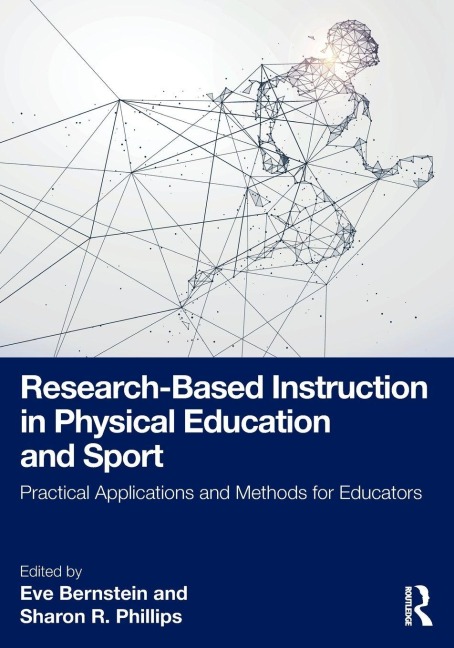
This textbook brings research-based instructional methods to the teaching and learning of physical activity and physical education.
Ideal for pre-service teachers in physical education and teacher education and coaches, this book provides a user-friendly introduction to evidence-based physical education teaching practices.
Eve Bernstein is Professor in the Department of Family, Nutrition, and Exercise Sciences and serves as Advisor and Coordinator of the Graduate Physical Education, Teacher Education Program at Queens College, City University of New York. Sharon R. Phillips is Associate Professor and Program Director in the School of Health Sciences and the School of Education at Hofstra University in New York.
Part 1: Student Considerations in Physical Education and Sport 1. How Attitude Moves Us 2. Communication and Interaction: How Students Perceive Teacher Communication in Physical Education and Sport 3. Inclusion as Intersubjective Experiences: Implications for Physical Educators 4. Putting Racism on the Agenda in PE: A Global Pandemic 5. Addressing Gender Issues by Incorporating an Activist Approach Part 2: Instructional Considerations in Physical Education and Sport 6. Competition and Considerations for Physical Education 7. Curricular Models: Shared Elements and Connections to Students' Basic Psychological Needs 8. Rethinking Assessment in Physical Education 9. Methods of Implementing Research-Based Educational Technology in Physical Education 10. Fitness: Making A HIIT In Physical Education Through Active and Autonomy Supportive Learning 11. Health Related Fitness Testing in Physical Education 12. Rethinking Instruction with a Research-Based Practice: Conclusion