Und dann auf "Zum Home-Bildschirm [+]".

Stöbern
genialokal zum Startbildschirm hinzufügen
Installieren Sie die genialokal App auf Ihrem Startbildschirm für einen schnellen Zugriff und eine komfortable Nutzung.
Installieren Sie die genialokal App auf Ihrem Startbildschirm für einen schnellen Zugriff und eine komfortable Nutzung.
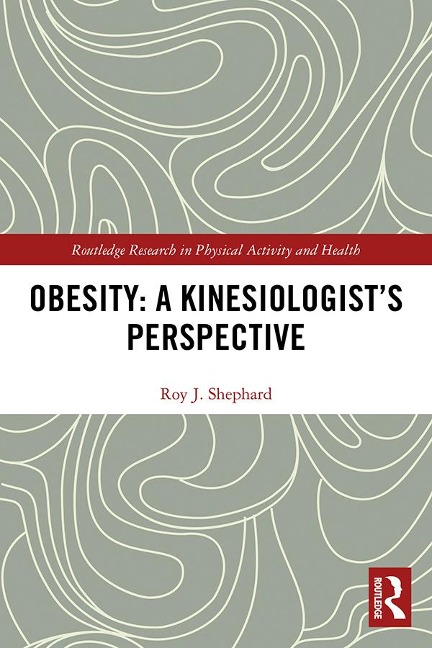
There have been many books written on the subject of obesity, but most have approached the topic from the standpoint of the nutritionist, concluding from the somewhat fallacious evidence of changes in body mass that exercise has little place in the prevention or the treatment of obesity. This new volume, written by an exercise physiologist, approaches the topic through a thoughtful lens, suggesting that regular physical activity plays an important role in preventing the development of obesity, is a valuable adjunct therapy in the treatment of the established condition, and makes a solid contribution to the maintenance of weight loss once target weights have been achieved. In addition to detailing evidence that supports such a conclusion, the text offers a unique perspective on obesity over the ages. It evaluates methods of determining body fat content that are appropriate to field and epidemiological studies, and it looks at the timing and aetiology of the recent obesity epidemic. It also considers the diseases associated with obesity and the resultant medical costs, attempting to disentangle the respective contributions of a sedentary lifestyle and the resultant accumulation of fat to the observed patterns of ill-health. Other sections of the text suggest that adipose tissue has important functions beyond the passive storage of energy, and looks critically at the excuse of "bad genes" that some people plead to explain their excessive body weight. Obesity: A Kinesiologist's Perspective should thus provide helpful information and be a key resource for students and researchers alike in bariatrics, kinesiology and nutrition as well as the related disciplines.
Roy J. Shephard is Professor Emeritus of Applied Physiology in the Faculty of Kinesiology and Physical Education at the University of Toronto, Canada. He was Director of the School of Physical and Health Education (now the Faculty of Kinesiology and Physical Education) at the University of Toronto for 12 years (1979-1991), and he served as Director of the University of Toronto Graduate Programme in Exercise Sciences from 1964 to 1985.
Introduction 1. A Brief History of Obesity 2. The Qualitative and Quantitative Measurement of Body Fat Content 3. The "obesity epidemic" and Its Correlates 4. Health Consequences of the Obesity Epidemic 5. Economic Consequences of the Obesity Epidemic 6. The Genetic Alibi 7. Adipose Tissue as an Important Body Organ 8. Physical Activity in the Prevention of Obesity 9. Physical Activity in the Treatment of Established Obesity 10. Dietary Choices and the Control of Obesity 11. General Conclusions and Areas of Future Research
Dieses eBook wird im PDF-Format geliefert und ist mit einem Adobe Kopierschutz (DRM) versehen. Sie können dieses eBook mit allen Geräten lesen, die das PDF-Format und den Adobe Kopierschutz (DRM) unterstützen.
Zum Beispiel mit den folgenden Geräten:
• tolino Reader
Laden Sie das eBook direkt über den Reader-Shop auf dem tolino herunter oder übertragen Sie das eBook auf Ihren tolino mit einer kostenlosen Software wie beispielsweise Adobe Digital Editions.
• Sony Reader & andere eBook Reader
Laden Sie das eBook direkt über den Reader-Shop herunter oder übertragen Sie das eBook mit der kostenlosen Software Sony READER FOR PC/Mac oder Adobe Digital Editions auf ein Standard-Lesegeräte mit epub- und Adobe DRM-Unterstützung.
• Tablets & Smartphones
Möchten Sie dieses eBook auf Ihrem Smartphone oder Tablet lesen, finden Sie hier unsere kostenlose Lese-App für iPhone/iPad und Android Smartphone/Tablets.
• PC & Mac
Lesen Sie das eBook direkt nach dem Herunterladen mit einer kostenlosen Lesesoftware, beispielsweise Adobe Digital Editions, Sony READER FOR PC/Mac oder direkt über Ihre eBook-Bibliothek in Ihrem Konto unter „Meine eBooks“ - „online lesen“.
Schalten Sie das eBook mit Ihrer persönlichen Adobe ID auf bis zu sechs Geräten gleichzeitig frei.
Bitte beachten Sie, dass die Kindle-Geräte das Format nicht unterstützen und dieses eBook somit nicht auf Kindle-Geräten lesbar ist.