Und dann auf "Zum Home-Bildschirm [+]".

Stöbern
genialokal zum Startbildschirm hinzufügen
Installieren Sie die genialokal App auf Ihrem Startbildschirm für einen schnellen Zugriff und eine komfortable Nutzung.
Installieren Sie die genialokal App auf Ihrem Startbildschirm für einen schnellen Zugriff und eine komfortable Nutzung.

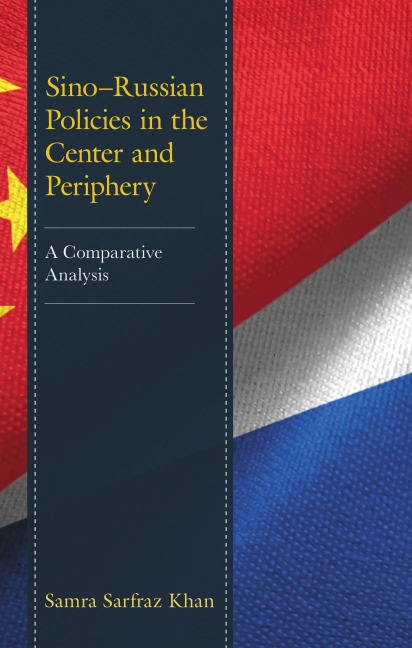
This book is a comparative study of Chinese and Russian policies in their respective inner peripheries. As the inner peripheries of the two states are rather vast, a selected number of regions have been chosen from the two geographical expanses. These regions are not only rich in hydrocarbons and minerals but also serve as conduits of the same. Moreover, the geographical position of the Caucasus provides Russia with an ingress into the Transcaucasia; a region that has often presented Moscow with serious challenges in international politics. Similarly, Xinjiang and Tibet serve as supply bases of hydrocarbon and mineral, and as conduits of the same to the Chinese regime. In addition to this, while Tibet serves as China's anchorage in Himalayas and a buffer zone against the Indian threat, Xinjiang is China's gateway to the resource rich Central Asian market. With both Russia and China on the path of changing the post-Soviet unipolar order; insights on Sino-Russian ties and the various challenges and opportunities available to the two states are inevitable for any reader trying to understand the complexity of international politics in general and of Chinese and Russian politics in particular of the twenty-first century.
Samra Sarfraz Khan is assistant professor of history at University of Karachi.
List of Figures
List of Abbreviations
Introduction
Chapter 1: A Brief Introduction to the Peripheries of Russia and China
Chapter 2: China and Russia in the Post-Cold War Era
Chapter 3: Winds of Change: The Importance of Sino-Russian Ties in a Changing World
Chapter 4: Chinese and Russian Counter Policies in the Context of Disturbed Peripheries
Chapter 5: The State and the God: A History of Religion in Russia and China
Chapter 6: Emerging Dynamics of Sino-Russian Partnership in the Periphery: China in the Russian Far East
Conclusion and Recommendations
Bibliography
About the Author