Und dann auf "Zum Home-Bildschirm [+]".

Stöbern
genialokal zum Startbildschirm hinzufügen
Installieren Sie die genialokal App auf Ihrem Startbildschirm für einen schnellen Zugriff und eine komfortable Nutzung.
Installieren Sie die genialokal App auf Ihrem Startbildschirm für einen schnellen Zugriff und eine komfortable Nutzung.

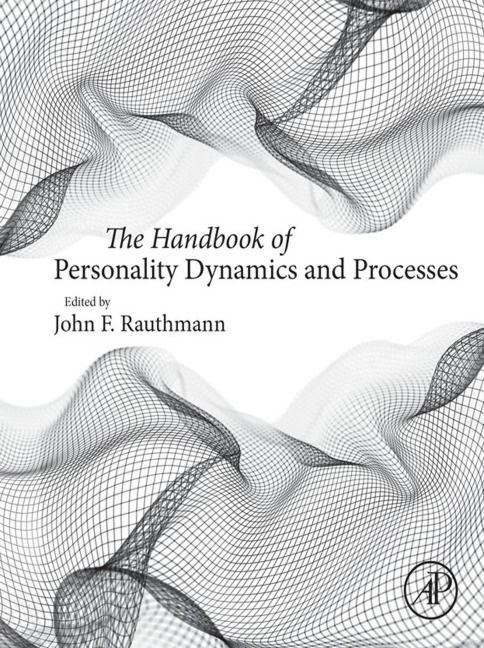
The Handbook of Personality Dynamics and Processes is a primer to the basic and most important concepts, theories, methods, empirical findings, and applications of personality dynamics and processes. This book details how personality psychology has evolved from descriptive research to a more explanatory and dynamic science of personality, thus bridging structure- and process-based approaches, and it also reflects personality psychology's interest in the dynamic organization and interplay of thoughts, feelings, desires, and actions within persons who are always embedded into social, cultural and historic contexts. The Handbook of Personality Dynamics and Processes tackles each topic with a range of methods geared towards assessing and analyzing their dynamic nature, such as ecological momentary sampling of personality manifestations in real-life; dynamic modeling of time-series or longitudinal personality data; network modeling and simulation; and systems-theoretical models of dynamic processes.
- Ties topics and methods together for a more dynamic understanding of personality
- Summarizes existing knowledge and insights of personality dynamics and processes
- Covers a broad compilation of cutting-edge insights
- Addresses the biophysiological and social mechanisms underlying the expression and effects of personality
- Examines within-person consistency and variability
SECTION I: CONCEPTS AND DOMAINS1. The history of dynamic approaches to personality2. Personality processes3. Psychological processes and mechanisms to explain associations between personality traits and outcomes4. Within-person variability5. Personality development processes6. Neurobiology of personality dynamics7. Dynamic genotype-environment interplays in the development of personality differences8. Social Interaction Processes and Personality9. Relationship transactions10. Socio-cultural processes11. Psychopathology and personality functioning12. Motivational and goal processes13. Fates Beyond Traits: The Dynamics and Impacts of Personal Project Pursuit14. Self-regulatory processes15. Dynamic self-processes16. Narratives, identities, and life story processes17. Personality coherence SECTION II: PERSPECTIVES AND THEORIES 18. Capturing Interactions, Correlations, Fits, and Transactions: A Person-Environment Relations Model19. Evolutionary perspectives on the mechanistic underpinnings of personality20. Dual-process models of personality21. Whole Trait Theory (WTT)22. Personality architecture and dynamics (KAPA): Theory and evidence23. Toward an adequate theory of personality: Lifespan developmental processes24. Functionalistic perspectives25. Interpersonal Theory and personality processes26. Personality Systems Framework27. PSI Theory SECTION III: METHODS AND STATISTICS 28. A framework to study persons, situations, behavior, and time29. Digital media technologies in the assessment of personality dynamics30. Experience Sampling and Daily Diary Studies: Basic Concepts, Designs, and Challenges31. Modeling developmental processes32. Intensive longitudinal measurement33. Multilevel Structural Equation Modeling for Intensive Longitudinal Data: A Practical Guide for Personality Researchers34. Hierarchical continuous time modeling35. Multi-method multi-occasion modeling36. Dyadic data-analysis (e.g., longitudinal SRM, APIM)37. Dynamic Structural Equation Modeling of personality data 38. Identifying the dynamics of individual variation in personality39. Network analysis of dynamic personality data40. Neural networks and virtual personalities SECTION IV: APPLICATIONS 41. Personality processes at the workplace 42. Within-person variability and job performance43. Process Perspectives on Leader Traits, Behaviors, and Leadership Situations44. Personnel selection45. Growth and positive psychology46. Morality47. Stress48. Well-being49. Health processes in personality50. Dynamics and processes in personality change interventions51. PSI Theory Applications