Und dann auf "Zum Home-Bildschirm [+]".

Stöbern
genialokal zum Startbildschirm hinzufügen
Installieren Sie die genialokal App auf Ihrem Startbildschirm für einen schnellen Zugriff und eine komfortable Nutzung.
Installieren Sie die genialokal App auf Ihrem Startbildschirm für einen schnellen Zugriff und eine komfortable Nutzung.

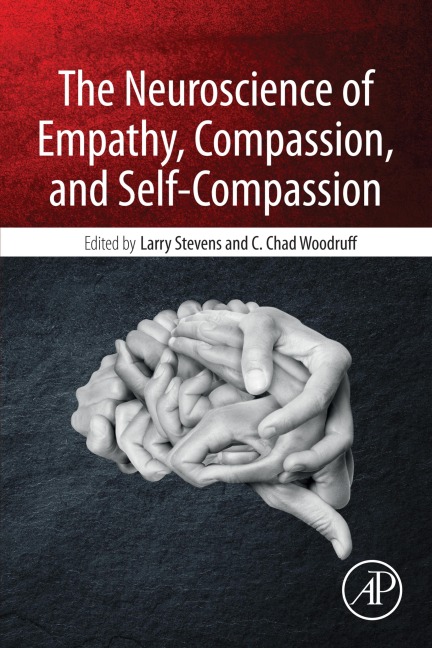
The Neuroscience of Empathy, Compassion, and Self-Compassion provides contemporary perspectives on the three related domains of empathy, compassion and self-compassion (ECS). It informs current research, stimulates further research endeavors, and encourages continued and creative philosophical and scientific inquiry into the critical societal constructs of ECS. Examining the growing number of electrocortical (EEG Power Spectral, Coherence, Evoked Potential, etc.) studies and the sizeable body of exciting neuroendocrine research (e.g., oxytocin, dopamine, etc.) that have accumulated over decades, this reference is a unique and comprehensive approach to empathy, compassion and self-compassion.
- Provides perspectives on empathy, compassion and self-compassion (ECS), including discussions of cruelty, torture, killings, homicides, suicides, terrorism and other examples of empathy/compassion erosion
- Addresses autonomic nervous system (vagal) reflections of ECS
- Discusses recent findings and understanding of ECS from mirror neuron research
- Covers neuroendocrine manifestations of ECS and self-compassion and the neuroendocrine enhancement
- Examines the neuroscience research on the enhancement of ECS
- Includes directed-meditations (mindfulness, mantra, Metta, etc.) and their effects on ECS and the brain
1. What Is This Feeling That I Have for Myself and for Others? Contemporary Perspectives on Empathy, Compassion, and Self-Compassion, and Their Absence2. The Brain That Makes Us Concerned for Others: Toward a Neuroscience of Empathy3. The Brain that Longs to Help Others: The Current Neuroscience of Compassion4. The Brain That Longs to Help Itself: The Current Neuroscience of Self-Compassion5. Sometimes I Get So Mad I Could ...: The Neuroscience of Cruelty6. Reflections of Others and of Self: The Mirror Neuron System's Relationship to Empathy7. Why does it feel so good to care for others, but only sometimes for myself?8. Can We Change Our Mind About Caring for Others? The Neuroscience of Systematic Compassion Training9. Compassion Training from an Early Buddhist Perspective: The Neurological Concomitants of the Brahmavih-ras10. The Language and Structure of Social Cognition: An Integrative Process of Becoming the Other11. Where Caring for Self and Others' Lives in the Brain, and How it can be Enhanced, and Diminished: Observations on the Neuroscience on Empathy, Compassion, and Self-Compassion