Und dann auf "Zum Home-Bildschirm [+]".

Stöbern
genialokal zum Startbildschirm hinzufügen
Installieren Sie die genialokal App auf Ihrem Startbildschirm für einen schnellen Zugriff und eine komfortable Nutzung.
Installieren Sie die genialokal App auf Ihrem Startbildschirm für einen schnellen Zugriff und eine komfortable Nutzung.
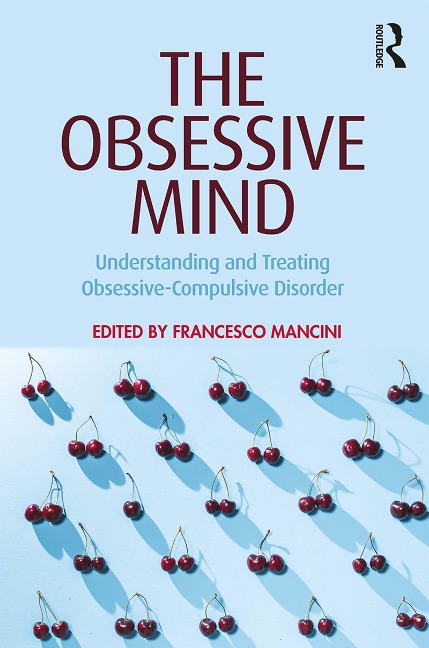
The Obsessive Mind offers a well-defined and comprehensive understanding of obsessive-compulsive disorder and its treatment model. Based on the results of current research, the book offers a psychological perspective on the disorder, a complete presentation of useful strategies and techniques that can be implemented in therapy, and work that can be done with family members of OCD patients, all proposed coherently with the theoretical model of the disorder. It also illustrates the pivotal role of moral goals as proximal psychological determinants of the obsessive symptomatology. The Obsessive Mind can be used by new clinicians to become acquainted with the theory and treatment of OCD, as well as more advanced clinicians to improve their OCD treatment skills and learn new interventions and ways to get out of deadlock in treatment and thereby increase efficacy.
Francesco Mancini is director of the Quadrennial Postgraduate Specialisation Schools in Cognitive-Behaviour Psychotherapy Associazione di Psicologia Cognitiva APC and Scuola di Psicoterapia Cognitiva srl SPC, and full professor of clinical psychology at Guglielmo Marconi University, Rome. He is the past-president of the Italian Society of Behavioural and Cognitive Therapy (SITCC).
List of Contributors Foreword Acknowledgements Introduction Part 1 Psychological Explanation of Obsessive-Compulsive Disorder 1. The Characteristics of Obsessive-Compulsive Disorder and the Questions it Raises 2. Goals and Beliefs, Proximate Determinants of Obsessive-Compulsive Symptoms 3. Cognitive Processes in Obsessive-Compulsive Disorder 4. Answers to the Questions Raised by Obsessive-Compulsive Disorder 5. Cognitive Deficits and Obsessive-Comulsive Disorder 6. Vulnerability in Obsessive-Comulsive Disorder Part 2 Psychological Therapy for Obsessive-Compulsive Disorder 7. Introduction to the Therapy: The Rationale of the Intervention 8. Constructing a Diagrammatic Model for Understanding the Disorder: Objectives, Procedure, Difficulties 9. Techniques of Cognitive Restructuring 10. Disgust and Contamination: Cognitive Anti-Disgust Interventions 11. Accepting Risk: Cognitive Techniques 12. Exposure with Response Prevention as a Practice of Acceptance 13. Mindfulness for the Treatment of Obsessive-Compulsive Disorder 14. Intervention to Reduce Current Vulnerability to Obsessive-Compulsive Disorder 15. Interventions on Historical Vulnerability 16. Preventing Relapses and Concluding Therapy 17. The Role of Family Members in the Maintenance of Obsessive-Compulsive Disorder: Psychoeducation and Psychotherapy 18. Treatment Traps: Underlying Beliefs and Goals and Solutions References Index
Dieses eBook wird im PDF-Format geliefert und ist mit einem Adobe Kopierschutz (DRM) versehen. Sie können dieses eBook mit allen Geräten lesen, die das PDF-Format und den Adobe Kopierschutz (DRM) unterstützen.
Zum Beispiel mit den folgenden Geräten:
• tolino Reader
Laden Sie das eBook direkt über den Reader-Shop auf dem tolino herunter oder übertragen Sie das eBook auf Ihren tolino mit einer kostenlosen Software wie beispielsweise Adobe Digital Editions.
• Sony Reader & andere eBook Reader
Laden Sie das eBook direkt über den Reader-Shop herunter oder übertragen Sie das eBook mit der kostenlosen Software Sony READER FOR PC/Mac oder Adobe Digital Editions auf ein Standard-Lesegeräte mit epub- und Adobe DRM-Unterstützung.
• Tablets & Smartphones
Möchten Sie dieses eBook auf Ihrem Smartphone oder Tablet lesen, finden Sie hier unsere kostenlose Lese-App für iPhone/iPad und Android Smartphone/Tablets.
• PC & Mac
Lesen Sie das eBook direkt nach dem Herunterladen mit einer kostenlosen Lesesoftware, beispielsweise Adobe Digital Editions, Sony READER FOR PC/Mac oder direkt über Ihre eBook-Bibliothek in Ihrem Konto unter „Meine eBooks“ - „online lesen“.
Schalten Sie das eBook mit Ihrer persönlichen Adobe ID auf bis zu sechs Geräten gleichzeitig frei.
Bitte beachten Sie, dass die Kindle-Geräte das Format nicht unterstützen und dieses eBook somit nicht auf Kindle-Geräten lesbar ist.