Und dann auf "Zum Home-Bildschirm [+]".

Stöbern
genialokal zum Startbildschirm hinzufügen
Installieren Sie die genialokal App auf Ihrem Startbildschirm für einen schnellen Zugriff und eine komfortable Nutzung.
Installieren Sie die genialokal App auf Ihrem Startbildschirm für einen schnellen Zugriff und eine komfortable Nutzung.
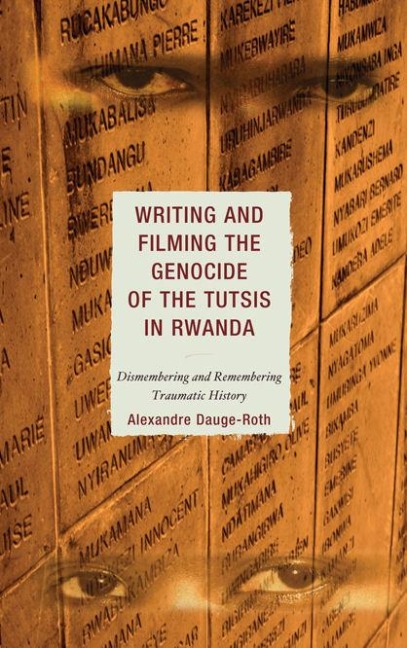
Writing and Filming the Genocide of the Tutsis in Rwanda: Dismembering and Remembering Traumatic History is an innovative work in Francophone and African studies that examines a wide range of responses to the 1994 genocide of the Tutsis in Rwanda. From survivor testimonies, to novels by African authors, to films such as Hotel Rwanda and Sometimes in April, the arts of witnessing are varied, comprehensive, and compelling. Alexandre Dauge-Roth compares the specific potential and the limits of each medium to craft unique responses to the genocide and instill in us its haunting legacy. In the wake of genocide, urgent questions arise: How do survivors both claim their shared humanity and speak the radically personal and violent experience of their past? How do authors and filmmakers make inconceivable trauma accessible to a society that will always remain foreign to their experience? How are we transformed by the genocide through these various modes of listening, viewing, and reading?
Alexandre Dauge-Roth is associate professor of French at Bates College.
INTRODUCTION
1. Excess of Memory?
2. Historical Preamble to Set the Scene
3. Testimony, Literature, and Film as Vectors of Memory
PART ONE: The Testimonial Encounter
4. The Hospitality of Listening as Interruption
5. Staging the Ob-Scene
6. Becoming Heirs and Going on Haunted
PART TWO: Dismembering Remembering: "Rwanda: Writing as a Duty to Remember"
7. We Came, We Saw... We Listened
8. Belated Witnessing and Preemptive Positioning
9. Between Highlights and Shadows: Tadjo's Entries
10. Writing as Haunting Pollination: Lamko's Butterfly
11. Polyvocal Dismembering: Diop's Remembering of Murambi
PART THREE: Screening Memory and (Un)Framing Forgetting: Filming Genocide and its Aftermath in Rwanda
12. No Neutral Shooting
13. Close-up on some Recurrent Facts and Figures
14. A Pedagogy Against Forgetting that Sometimes Forgets Itself
15. Historical and Contextual Trompe-l'oeil
16. Ob-Scene Off-Screened: A Genocide Off-Camera
17. The Heir or the Return of the Off-Screened
EPILOGUE: On Turning the Page
18. Testimony, Memory, and Reconciliation in the Era of Gacaca
Dieses eBook wird im PDF-Format geliefert und ist mit einem Adobe Kopierschutz (DRM) versehen. Sie können dieses eBook mit allen Geräten lesen, die das PDF-Format und den Adobe Kopierschutz (DRM) unterstützen.
Zum Beispiel mit den folgenden Geräten:
• tolino Reader
Laden Sie das eBook direkt über den Reader-Shop auf dem tolino herunter oder übertragen Sie das eBook auf Ihren tolino mit einer kostenlosen Software wie beispielsweise Adobe Digital Editions.
• Sony Reader & andere eBook Reader
Laden Sie das eBook direkt über den Reader-Shop herunter oder übertragen Sie das eBook mit der kostenlosen Software Sony READER FOR PC/Mac oder Adobe Digital Editions auf ein Standard-Lesegeräte mit epub- und Adobe DRM-Unterstützung.
• Tablets & Smartphones
Möchten Sie dieses eBook auf Ihrem Smartphone oder Tablet lesen, finden Sie hier unsere kostenlose Lese-App für iPhone/iPad und Android Smartphone/Tablets.
• PC & Mac
Lesen Sie das eBook direkt nach dem Herunterladen mit einer kostenlosen Lesesoftware, beispielsweise Adobe Digital Editions, Sony READER FOR PC/Mac oder direkt über Ihre eBook-Bibliothek in Ihrem Konto unter „Meine eBooks“ - „online lesen“.
Schalten Sie das eBook mit Ihrer persönlichen Adobe ID auf bis zu sechs Geräten gleichzeitig frei.
Bitte beachten Sie, dass die Kindle-Geräte das Format nicht unterstützen und dieses eBook somit nicht auf Kindle-Geräten lesbar ist.